Name That Wind

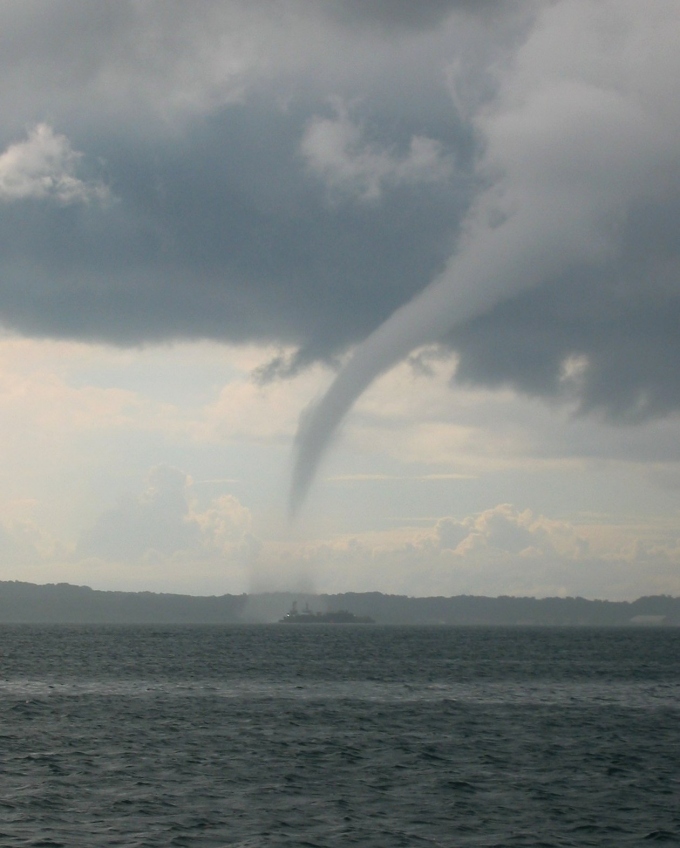
People complain about the wind in Las Vegas all the time. It does get windy here. In fact, the highest recorded wind gust here was in March 1984 – 82mph/70+ knot winds. That's a lot of wind wherever you are. Wind, however, is an essential part of a sailor's life, especially on a sailboat. People have many names for the wind depending on where they're from and the intensity with which the wind blows. There are gentle winds and breezes and zephyrs. There are destructive winds like tornadoes and twisters, waterspouts, cyclones, typhoons and diablos. There are icy blasts, gusts and gales ... siroccos, pamperos, foehns and mistrals. waterspout in panama
The Greeks named the winds based on direction from which they came. Boreas was the god of the north wind and winter. Eurus was the unlucky east or southeast wind. Notus was god of the warm, south winds and Zephyrus was the god of gentle west winds. The ruler of the winds, Aeolus, was venerated and respected as much as Poseidon, the Greek's equivalent to the Roman god of the sea, Neptune.

aeolus god of the wind

Pedro Reinel, a 15th-16th century Portuguese cartographer, is the author of the oldest signed nautical chart in existence. In 1504, he was also the first cartographer to depict a wind rose on his Atlantic Chart. Reinel showed not only a scale of latitudes for the first time, but an ornate fleur-de-lys wind rose.
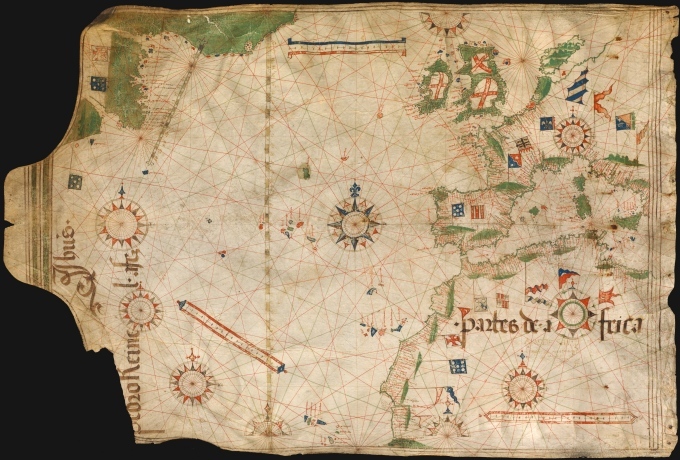
reinels wind rose

If you're a sailor and have ever used paper charts, you've very familiar with the compass rose. When plotting a course on a paper chart, we still use the compass rose with a parallel rule and dividers to determine our heading. Before the development of the compass rose, “a wind rose was included on maps in order to show sailors from which directions the eight major winds blew within the plan view.” North was always depicted with a fleur-de-lys, while east was shown as a Christian cross to indicate the direction of Jerusalem from Europe. Later charts sometimes included half winds (8) and quarter winds (16).

ornate wind rose

Eight points on the compass rose delineated the eight principal winds (N, S, E, W) at 90º intervals plus the ordinal directions (NE, SE, SW, NW) at 45 intervalsº. When the angles were bisected again (22.5º), the half-winds were shown, e.g. SSE, ESE, SSW, WSW, etc. Some were pretty elaborate, showing quarter-winds as well. When all 32 points on the rose are shown, it's called “boxing the compass”.
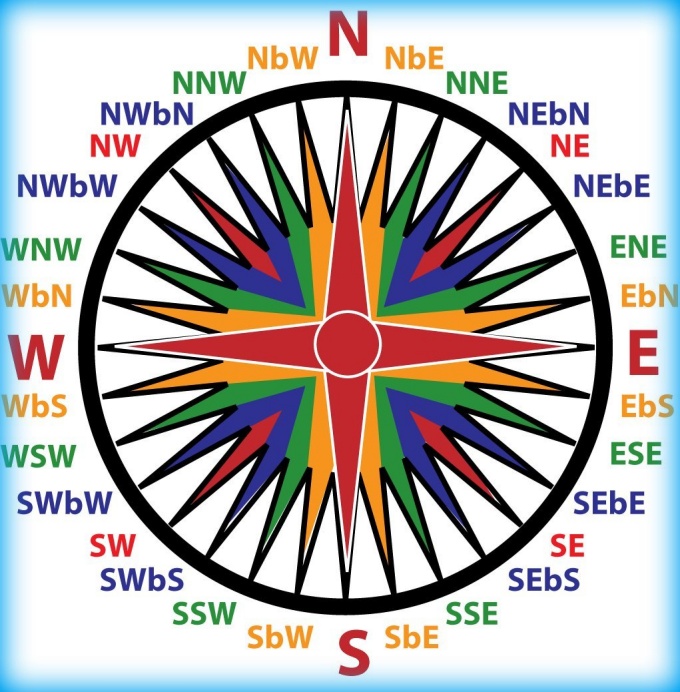
boxing the compass

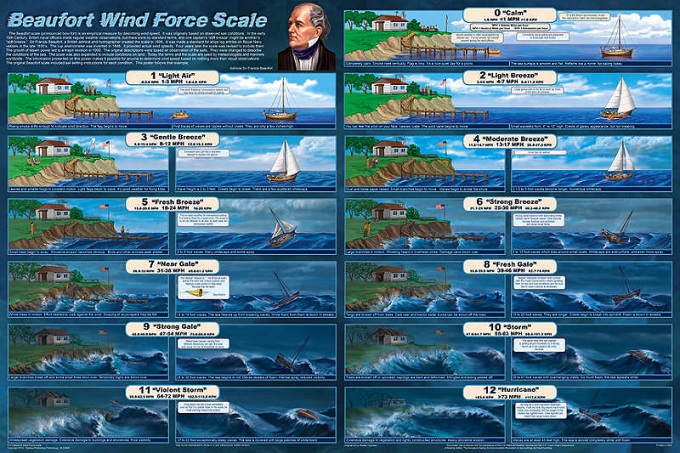
In 1805, Francis Beaufort devised the Beaufort Scale which measured wind speed based upon observed conditions on land or sea and standardized an objective reporting of wind speeds.
beaufort scale

As we've traveled around the world, we've heard the wind called by many names. The strong southeasterly Cape Doctor in Cape Town and the Fremantle Doctor in Perth. The southwest busters on Africa's wild west coast and the willywaws and rachas that thundered through like freight trains in Patagonia and Tierra del Fuego. I grew up with nor'easters in New England. The Santa Anas are well known in southern California. The warm chinooks of the Rockies are also known as “snow eaters”.

And, of course, if you've ever seen “Paint Your Wagon”, They Call the Wind Maria.

The Blue View - HF Radios on the Cheap

In this day and age, almost every offshore cruising boat we encounter has the capability of long distance communications at sea. While more and more boats have both satellite transceivers and high frequency (HF) radios aboard, because of the upfront and ongoing costs, most of us have to choose one or the other. Both have their pros and cons, and when we started cruising, the cost/benefit ratio definitely favored the HF radio. Now, however, with the costs of satellite communications dropping and the reliability improving, the decision is not so clear cut. For us, the much lower operating expenses and the ability to participate in radio nets were the deciding factors, and if we were starting out again today, I think we would still opt for an HF radio. The upfront expenses of a complete HF radio system can be quite high. Installing a quality radio and all the components it takes to get the system up and running can easily cost more than $5000! We installed our system for far less than that. Here are some of the ways we used to save money without compromising quality.

hf radio components

The heart of an HF radio setup is the radio transceiver. We opted to go with an Icom IC-706MKIIG HAM radio for a couple of reasons. It was considerably less expensive than the typical marine radio, and it allowed us to communicate on the HAM radio frequencies, as well as the marine channels. It has a maximum transmission power of 100 watts vs. the 200 watts of most marine transceivers, but this hasn't been a problem. The 706 is no longer available, but the newer Icom 718 will work just as well. The cost of the 718 is $600 versus $1850 for an Icom M802 marine radio. There are a few compromises to be made, however. The biggest is that since the Icom 718 is essentially a HAM radio, the assumption is that the operator is more knowledgeable – more of a geek – than the typical marine radio operator, and the radio isn't as straightforward to program and operate. In addition, while the radio operates on both the HAM and marine frequencies, the operator must have a HAM license to transmit on the amateur radio frequencies.

icom 718

Since we use our radio for sending and receiving emails and text weather reports as well as voice communications, we needed a way to connect our computer to the radio. This was done with a PACTOR modem. We chose an SCS PTC-IIIusb modem. The newer Pactor DR-7400 transmits and receives at twice the speed and is a few hundred dollars more. The older unit works fine, but I would opt for the faster model if I was starting from scratch. Expect to pay about $1700 for the modem and all the cables.

pactor modem

If we always transmitted at the same frequency, we could tune our antenna length to that frequency and simplify the system, but since we transmit at a number of different frequencies, we need an antenna tuner in the system. We use an Icom AH-4 tuner that works as well as some of the more expensive marine models. The cost for an AH-4 tuner is around $225 while the marine version, the AT-140, costs about $450.

The next component is the antenna. Most boats use the backstay as a single long line antenna. Since the backstay is usually grounded at one or both ends, for it to act as an antenna it must be electrically isolated using backstay insulators. I'm not a big fan of this approach. One reason is the cost – each insulator costs between $250 and $450 depending on the size and brand. Another reason is that we know of two boats that were dismasted when a lightning strike disintegrated a backstay insulator. Instead, we use insulated lifeline wire and have rigged an antenna that is totally separate from the backstay. The cost is much less, the performance is just as good, and we don't worry about losing our backstay in an electrical storm.

backstay insulator


antenna

So, adding everything up, the cost of our system if we were to install it today would be $2750. That would be a big hit to our budget, but it would be a lot easier to manage than the $5300 that the typical marine version would cost.

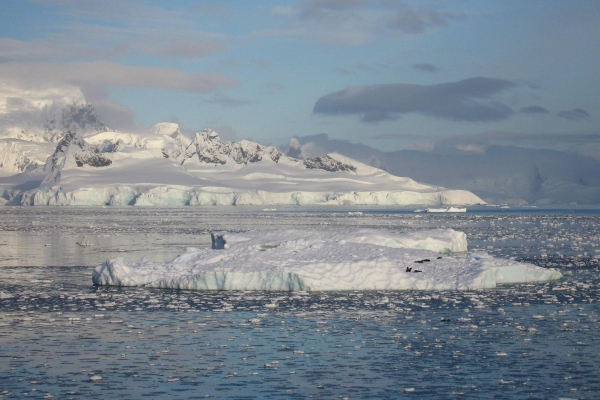
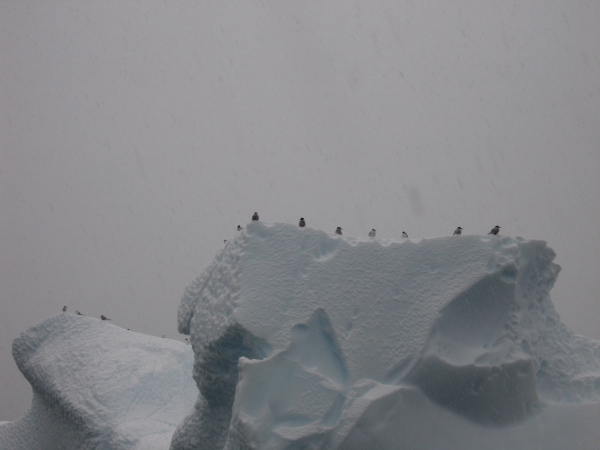
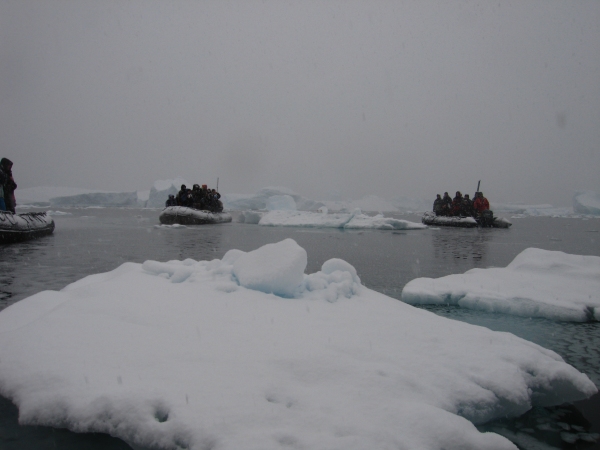
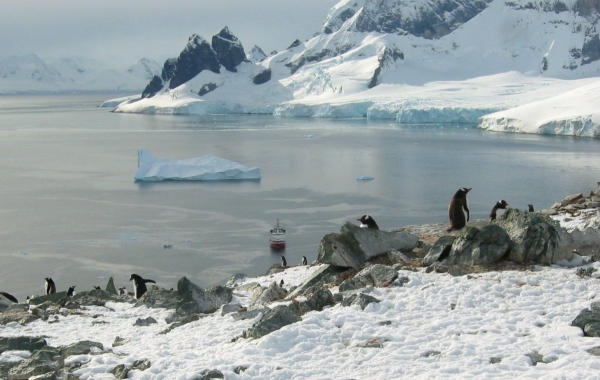
#TBT - Visiting the Antarctic Peninsula

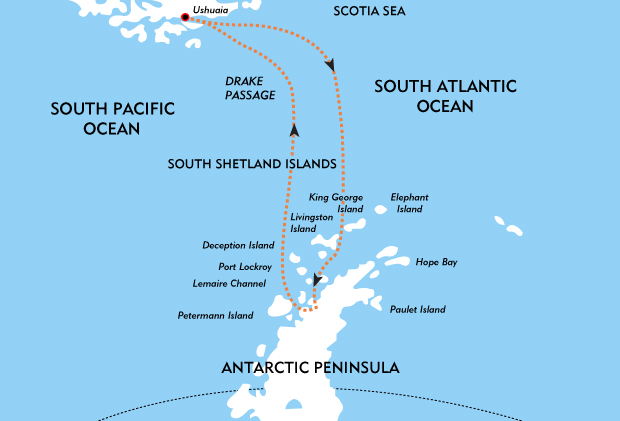
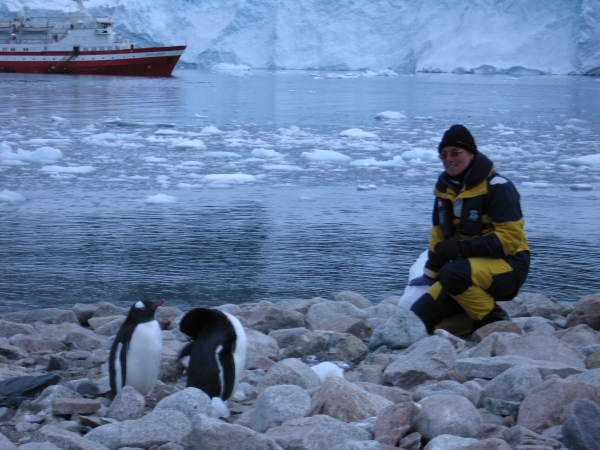
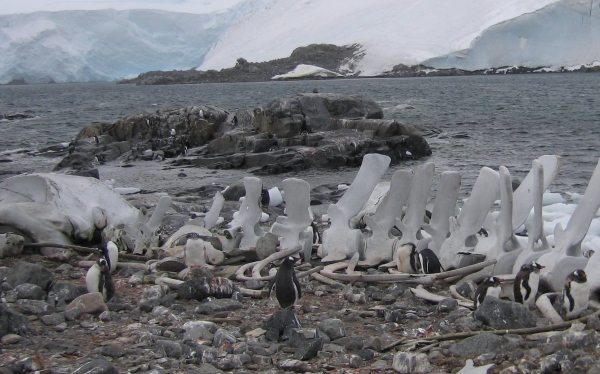
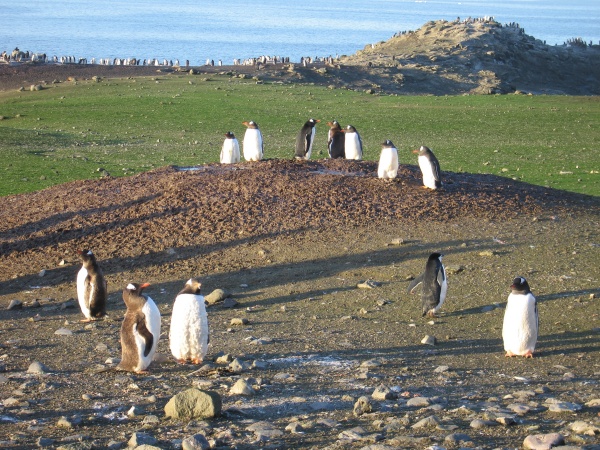
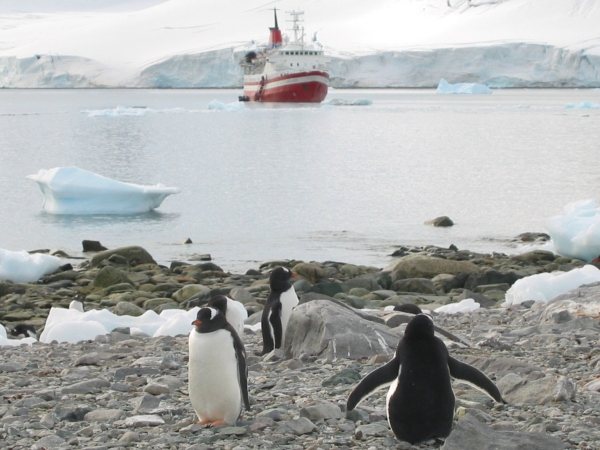
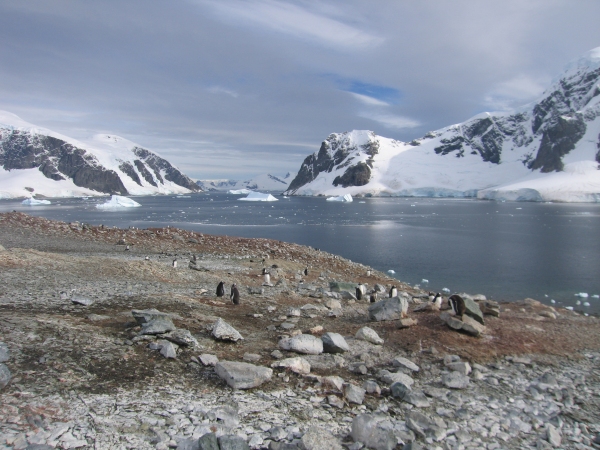
We spent March 2006 in Tierra del Fuego at the bottom of the world. We were anchored in Ushuaia, Argentina, the southernmost city on the planet, and met up with old cruising friends on Fifth Season and Asylum. Both couples were heading off to Antarctica for excursions, having just booked their tickets with a local travel agent. We visited the booking office and found that if we waited till the last minute, there were deep discounts (50+%) for unsold cabins. Still, the price was steep … $2,750/pp for 10 days. We wrestled with the idea of going. It was a big hit to the budget, but it was also a once in a lifetime opportunity to visit Antarctica. If you've followed us for awhile, you'll know that we love to explore, but usually on the cheap. The budget took second place for a change. We traveled aboard the MS Explorer aka The Little Red Ship and our itinerary took us from Ushuaia across the Drake Passage to the Antarctic peninsula with several land excursions along the way. There were less than 100 passengers aboard and the crew included an ornithologist, a marine mammal expert, a geologist and an Antarctic historian.

map of route

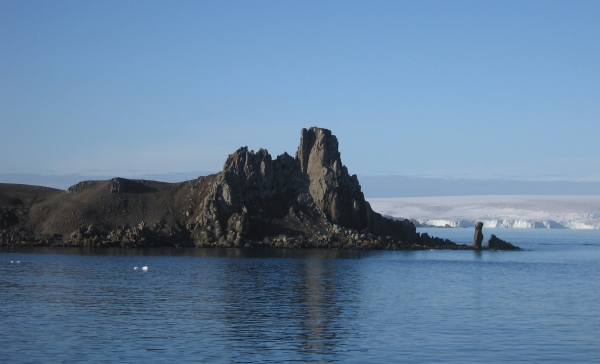
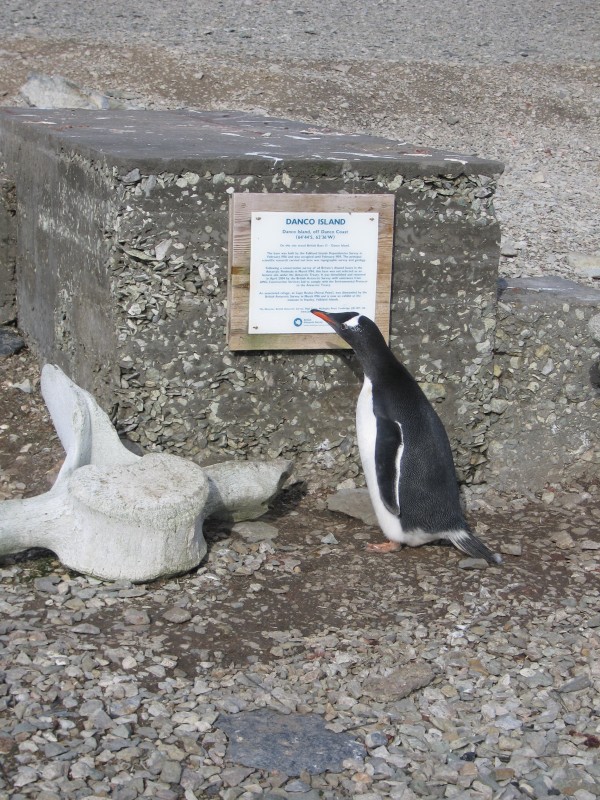
It was an other worldly experience and one we'll never forget. Take a look …

antarctica


antarctica


antarctica


antarcticia


antarctica


antarctica


antarctica


antarctica


antarctica


antarctica


antarctica


Antarctica

More Antarctica? Check out our Nine of Cups web page.