A Lüderitz Crayfish Feed

Whether they're called crayfish, spiny lobster, langouste, or rock lobster, they're superb eating. The official season for collecting crayfish here in Lüderitz is 1 November through 30 April. Ian collects his 7 cray limit most days during season and Doris freezes their in-season catch. They generously invited us to join them for a crayfish feed at their beach shack. Now that's an offer we would not refuse … ever! beach shack in luderitz

We've tried rock lobsters in many parts of the world … Tasmania and New Zealand's Fiordland, Tristan da Cunha in the middle of the South Atlantic, in French Polynesia and in Tonga. In the Islas Aves, tiny Venezuelan islands in the Carib not far from Bonaire, we traded lobster with the local fishermen in exchange for battery charges from our wind generator. That was a great trade! We've seldom bought lobsters; they're usually given as gifts from the local lobstermen. At Pitcairn Island, David even made his own lobster trap. We didn't catch any, but it worth a try!

all the rock lobsters

These lobsters (Jasus lalandii) are not the same as the Maine lobsters (Homarus americanus) I grew up with in New England. We rarely miss an opportunity to have lobster when we're back in Boston for a visit. A visit to Maine and its multitude of lobster shacks boiling up lobsters “in the rough” along the coast is an an obligatory summer event.

maine lobster shack

Visually, rock lobsters differ from the Maine lobsters because they don't have the large front claws. You mainly eat the tails and the taste is not quite as delicate as a Maine lobster. That said, they're still absolutely delicious and quite a luxury for these sailors.

crayfish_doris with lobsters

We helped to lug the lobsters and all the makings for a tremendous beach picnic from the Jeep up to their little beach shack at Kartofelbucht (Potato Bay … who knows why?). Doris had made a salad and there were rolls and dessert and, of course, wine. The guys built a fire in the braai pit (fireplace) and Doris put water on to boil in the potjie (poy-kee) … a small, traditional cast iron pot.

boiling water in the potjie

While we waited, Ian suggested we find some limpets to try as an appetizer. The rocks nearby are covered with them and he considers them akin to oysters in taste and texture. Well, we like oysters, so why not try limpets? The guys clambered over the slippery rocks and gathered up a few. Ian used his knife to pry the limpet free from the shell, then  … gulp. He slurped it right down. Truth be told, it did not look appealing, but then neither do raw oysters. David tried the next one. “Not bad”, he said. Ian picked a huge one for me, but I whined until he chose and prepped a smaller one. With some reluctance, I slurped it down. It wasn't bad, but I didn't stand in line for seconds. Ian prepared another one for David … a big, disgusting looking thing. David got it down, but the look on his face told me he wasn't all that enthralled with limpets. Enough sampling.
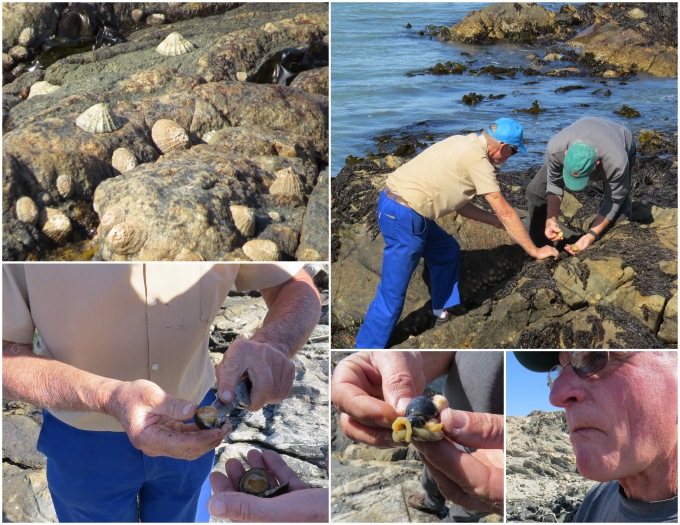
limpets

By the time, we got back to the shack, the water was boiling. Ian popped the lobsters in the pot and we sipped wine and chatted while waiting. (Getting the taste of those limpets out of our mouths!)

putting lobster in the potjie

Once the lobsters were cooked, Ian and David brought them into the shack and …that's where the lobster part of this story ends, I'm afraid. We were so intent on eating them that I totally forgot about taking pictures. Did you ever watch the movie Splash with Darryl Hannah and Tom Hanks?

We gobbled them down without a camera click heard nor a digital memory preserved. In fact, when I searched all my pictures in my entire photo library for just one of us eating lobster over the years, there wasn't one to be found. Once the lobster is on the table, there's no thought given to photos.

But the day wasn't over. After an outstanding meal, we did a quick clean-up, letting the seagulls pick the lobster carcasses clean, and then set out to do some more exploring on the peninsula. Ian's lived here for nearly 40 years and he knows every nook and cranny. Put on your walking shoes and get ready for an interesting tour you won't get anywhere else.

seagulls picking shells

Talking Cricket

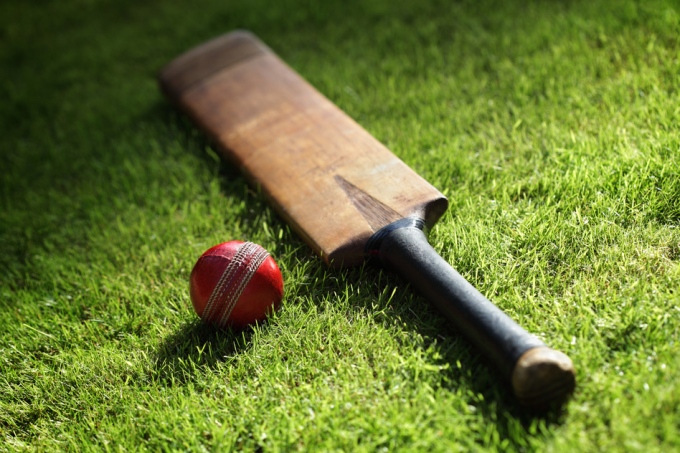
We were having dinner with friends the other night and the subject of sports came up in the conversation. The overhead TV was showing a cricket game. We mentioned that it was baseball season in the States and  Steve and Jannie both asked if we were familiar with cricket. I told them my only familiarity with cricket was the talking variety, in particular, Jiminy Cricket. This was not what they had in mind. Subsequently, they thought they'd give me a quick tutorial on the game to bring me up to speed. cricket bat and ball

I considered cricket to be akin to baseball … a ball and bat type of game. A ball is pitched to a batter whose main business is to hit the ball and run to a base. It seems that though there are some similarities, for the most part, cricket is nothing like baseball at all. Believe it or not, the game of cricket can be traced back to Tudor times in the 16th century. In fact, by the end of the 18th century, it was one of England's national sports … a gentleman's game. It's considered the world's second most popular sport … second only to soccer (football in most of the world).

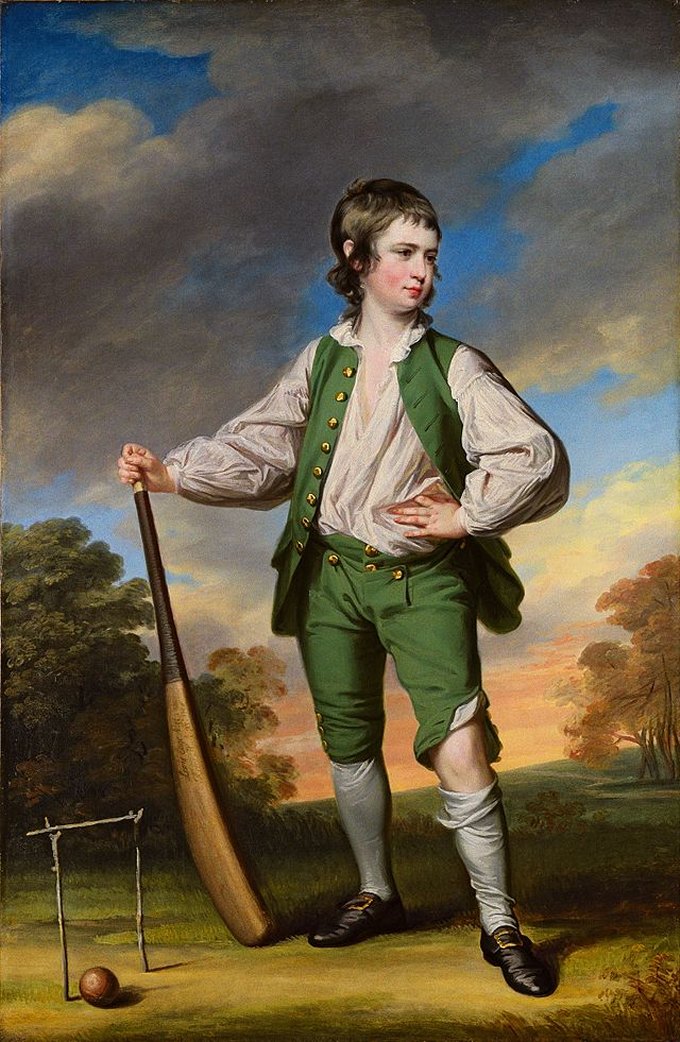
young cricketer at bat

Beyond England, it's most prominent in post British-colonial countries … Australasia, South Africa, India and the West Indies. Why it never made it to the USA, I'm not sure although Wiki seems to think it's because 1) baseball is so popular and 2) in 1909 when the ICC (Imperial Cricket Conference) was organized, it was open only to Commonwealth nations and thereby excluded the US from participating. South Africa's national team is the Proteas (named after their national flower) and competes with other ICC teams throughout the year. There are also six domestic teams that compete in-country.

south african proteas

There were several terms with which I was unfamiliar and the guys filled me in. The person who throws the ball is a bowler, not a pitcher and he “delivers” the ball to the batsman. He doesn't pitch, because a “pitch” in cricket is the playing strip between the wickets. The white lines along the playing field are creases. There are all sorts of names for the bowler's “deliveries” like googly, flipper, yorker, slider, flicker and bouncer. In fact, Wiki dedicates an entire page to cricket delivery differentiation. Not so different, I guess, from sliders, screwballs, curve balls, etc. in baseball. Each batsman or striker's turn is called an innings (yes, with an “s” on the end whether it's singular or plural). There are two batsman at a time, one on either end of the pitch. Games can last from 5 hours  to 5 days. There are special rules designating intervals for lunch, tea and drinks. How very British!

cricket pitch

Here's an interesting thing. If the batsman hits the ball, he doesn't have to run … his choice. He can run if he wants, or just stay where he is. In either case, he can collect some runs. Not just one run … no he can collect four or six runs depending where the ball goes and whether it bounces or stays in flight. A cricket game can have a score in the thousands. The record  for the highest scoring game ever in major league baseball was set in 1922 … a total of 49 runs. The highest scoring cricket game? 2,376!

cricket scoreboard

The object of baseball is to hit a pitched ball, run around the bases and score a run. The defending team tries to prevent this from happening. The object of cricket is … I really don't know, perhaps it's protecting the wicket. Obviously, accumulating more points than the competition is key, but I'm not quite sure how that's actually done. After listening to the guys, I was no further ahead in the understanding of the game than I was before I started drinking wine and listening to their explanations, although as the evening progressed the tutorial became more amusing.

I got on line to try to try to clear things up a bit, but to no avail. I did snicker when I found out about  the “Snickometer” aka the snicko, used for determining whether a ball “snicked” the bat.

snicko

I also learned in subsequent research that several common idiomatic expressions have their source in cricket.

  • It's “not cricket” meaning it's not fair.
  • Being “stumped” meaning being perplexed, is a cricket term for one type of dismissal, a polite word for being out.
  • Being “bowled” over is to be astonished.
  • A sticky “wicket” is a tough situation. A wicket, by the way, is comprised of three stumps and two bails, but everyone knows that.

    harold pinter quote

Experiences, Not Things

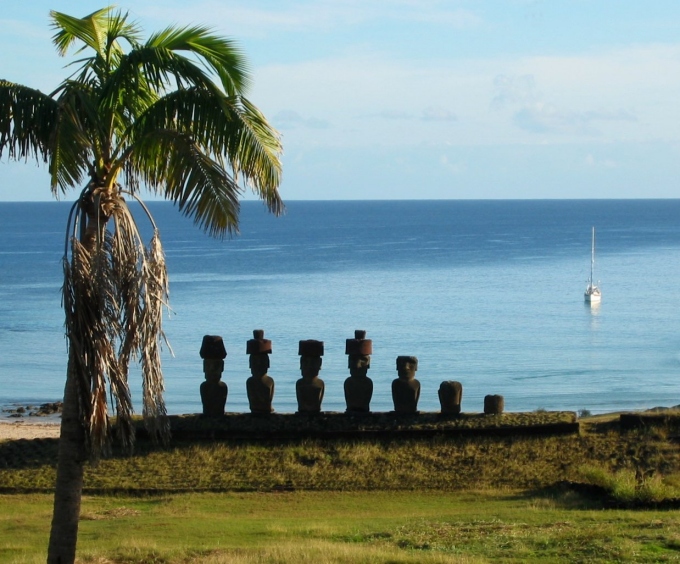
I got sidetracked this morning by one of those list challenges … a list of 100 Places to Visit Before You Die.  Though it was America-centric, as someone else had already pointed out, we'd seen 43 of the 100 places listed. Table Mountain did not make the list, nor did Antarctica though it's probably as accessible nowadays as the Galapagos. I was a bit disconcerted that Walt Disney World Resort was on it, but nevertheless I was pleased  we'd visited as many places as we had. Then, of course, I started wondering how we'd get to the places we hadn't seen yet. easter island

Before departing the USA on Nine of Cups, we agreed that we wanted to visit every one of the 50 US states first. We called it “50 by 50” … 50 states before we were 50 years old. A visit couldn't be just landing in an airport passing through. Preferably, we had to travel in the state and have a meal before we could classify it as a visit. We did it, and though I'm sure we missed more than we saw, we've at least experienced, albeit sometimes in a cursory way, every American state plus Puerto Rico and the American Virgin Islands. We've since done several cross-country trips when heading back to the USA and we look forward to our road trips as much as our ocean passages. I mean how could you not be thrilled by the world's biggest jackalope or the Spam museum … neither of which were on the 100 Places to Visit Before You Die list, by the way.

grand tetons

So often, for many people, visiting a place is no more than ticking off a “been there, done that” list. Traveling by boat does allow us the opportunity and privilege of doing more than saying “Yeah, we stopped there for a day en route to somewhere else.” That said, I'd still rather visit a place, even briefly, than never visit at all, which relates to the topic of this blog post: Experiences, Not Things. After taking the travel challenge, I followed an associated link to a Fast Company article which showed that in the personal happiness department, spending money on experiences trumped buying stuff.

Basically, money can buy happiness to a certain extent. It depends what you choose to spend it on. When you buy stuff … whether it be a new diamond ring, a fancy car or the latest computer gadget, the novelty wears off after having it around awhile … once it's there and familiar, you hardly notice it. Experiences, whether they be an exotic adventure or travel to the city or a visit to the local art museum, stay with you and become part of you. You are the sum of all your experiences … not your stuff. In the long run, experiences increase the happiness quotient longer and more fully than material purchases do. That said, there are certain purchases, like my Canon camera for instance, that help to preserve each memorable experience, and as such, continue to provide happiness.

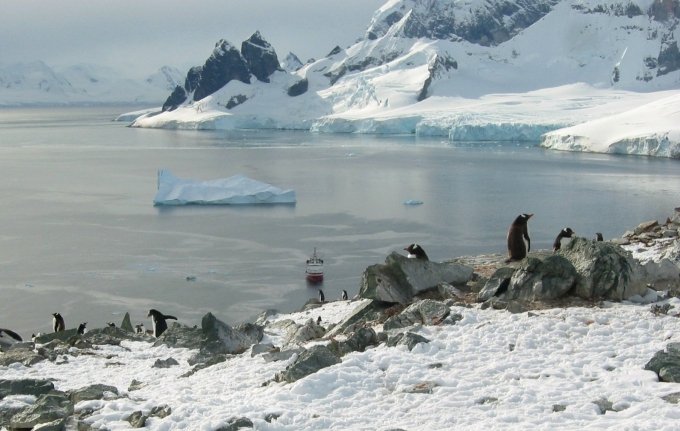
When we were in Tierra del Fuego, we had the chance to go to Antarctica for 12 days aboard a small research vessel. Though the trip cost was deeply discounted because it was a last minute thing, it was still over $2,000 apiece. We hemmed and hawed at this huge expenditure. This would really put a dent in the budget. In the end, we decided to go for it and though later we gave up some restaurant meals and “stuff”  to mend the  budget deficit, we've never regretted it for a moment. It was other-worldly … a trip of a lifetime and the memories are still vivid in our minds.

antarctica

So by default, I guess we've made the right decision ... at least for us. We cruise and travel around by sailboat with minimal room for stuff, but lots of capacity and opportunity for unforgettable experiences. Sometimes when we're disappointed or frustrated with boat life or repairs, it's good to remember what this life has given us … and then plan a road trip.