Apples in Australia

Before leaving Australia for America last week, I met a new friend, Mary, who brought a delicious apple crumble to the boat which we enjoyed with coffee. Though I've made crumble before, this was a bit different and Mary shared the recipe. I'd planned to share it with you earlier, but I left in kind of a hurry. Here's the blog post … Being in the southern hemisphere does have its advantages. It's late autumn here …the end of apple season. All the supermarkets have apples on sale. There are fruit stands along the roadside and the orchards have bags of apples and other autumn crops like squash and pumpkin for sale … most with “honesty boxes” so you can just leave the money for what you buy.

honesty box
honesty box

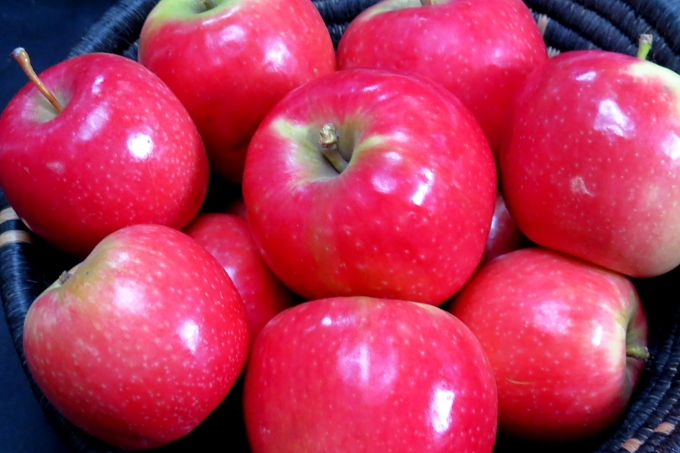
Australia has some of its own varieties. There are Galas and Pink Lady, Jazz and Sundowner and, of course, the usual Granny Smiths and Delicious. We're quite partial to the Pink Lady variety. They're crispy, crunchy, juicy and just tart enough to make your mouth water.
pink lady
pink lady

According to AussieApples.com, in 1973, John Cripps, an orchardist and plant breeder, came up with the idea to cross two varieties, Golden Delicious and a Lady Williams apple to create a new apple cultivar which he named Pink Lady. By 1996, over one million Pink Lady trees were planted in Australia, producing more than 10,000 tons of Pink Lady apples. Today, they are still Australia’s favorite apple and are now grown in ~15 different countries and sold across more than 30 countries worldwide.

indulgence
indulgence

I wish we had a “smell” chip to share with you the wonderful smell emanating from Nine of Cups when I'm baking apple crisp. It certainly covers up the bilge, diesel and miscellaneous boat smells. I just got a recipe from a new friend, Mary on Indulgence II, for her Apple Crumble. The crumble in this recipe is the crust as well as the topping and it's wonderful. Thanks, Mary! Note that Mary's recipe makes a much larger quantity; I've halved it for use on Nine of Cups. I made this recipe while back in the USA and sadly, there was nary a Pink Lady in sight … only Granny Smiths.

Indulgence II Apple Crumble

Author:

Marcie via Mary of Indulgence II

Ingredients

  • 1 cups self-rising flour
  • 1/4 lb (1 stick or 125 g) butter
  • 1 cups coconut
  • Pinch salt
  • 1/2 cup white sugar
  • 1/2 tsp vanilla
  • 1 egg
  • 6-8 medium apples, peeled, sliced and stewed*

Instructions

  1. Melt butter and add to dry ingredients.
  2. Add egg and vanilla and mix well.
  3. Grease an 8” deep pie pan and place ¾ of crumble mixture in the bottom of the dish. Press evenly over base and up the sides of the prepared pan with the back of a spoon.
  4. Place apples* on top, then use the remaining crumble mixture to cover the apples.
  5. Bake in 350F/180C oven for 25-30 minutes or until crumble is brown.
  6. For an extra twist, try adding a small can/tin of drained,crushed pineapple to the apples.

Notes

Stewing the apples first reduces cooking time and insures the apples are soft and juicy. Simmer apples in water (or apple juice) and a little cinnamon until soft. Drain excess liquid.

3.2.1310
From the Galley - Spicing it Up

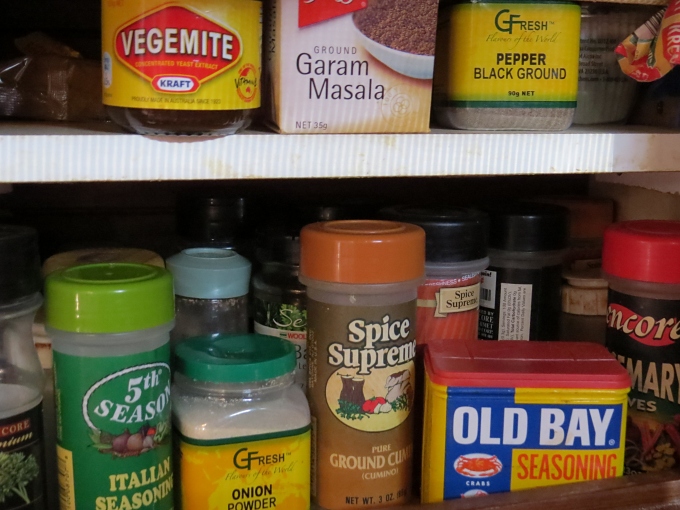
I've been asked what spices and herbs I keep in my galley and it's an interesting question because it depends where we are. I like to try new spices/herbs when I can. Most of the time though, this is one area where some would consider (and I readily admit) I'm overdoing it. I have a small spice rack for my most used varieties and an entire locker dedicated to spices aboard … and truth be told, there's some overflow into an aft cabin drawer.

spice locker

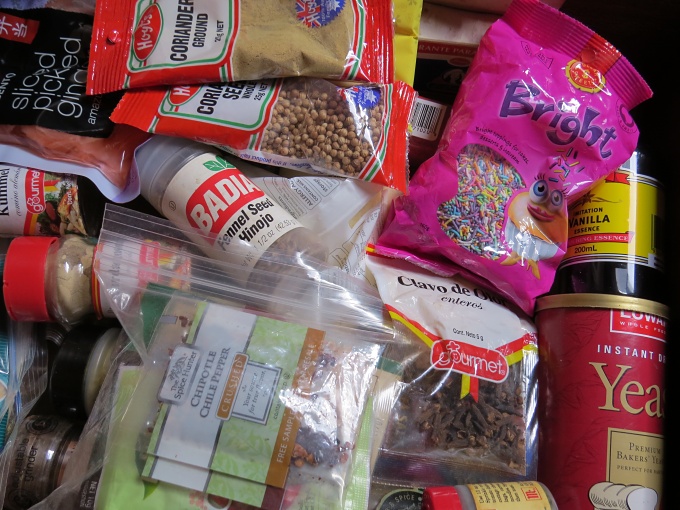
There are the basics … oregano, basil, salt/pepper, cinnamon, nutmeg ... parsley, sage, rosemary and thyme … all the regular stuff. But then I find a new recipe I'd like to try or remember an old recipe that calls for something we don't have and I'm off to buy it if I can. That's why there's a healthy supply of cardamom, fennel, caraway and chipotle pepper et al in the aft spice drawer. That's where the food coloring and colored sprinkles, aka “hundreds and thousands” in Australia, are kept, too … and the pickled ginger, wasabe, hot mustard, yeast. It's chock-a-block full.

spice drawer

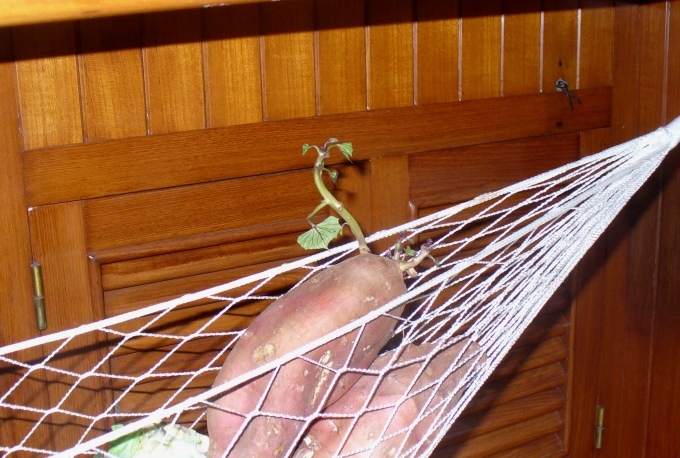
Most of the herbs are dry. In my defense, I can't always run out to the store and get fresh and besides, fresh doesn't last for long anyway. I suppose I could grow my own herbs aboard … many sailors do. I'm just not green thumb material, plus lashing everything down when we sail seems an onerous task when there's so much else to do before a passage or a storm. Visions of overturned pots and potting soil on my galley sole mixed with salt water come to mind. Mud pies at sea. Quite honestly, the only thing we grow on the boat while sailing is a potato sprout or two.

potato sprout

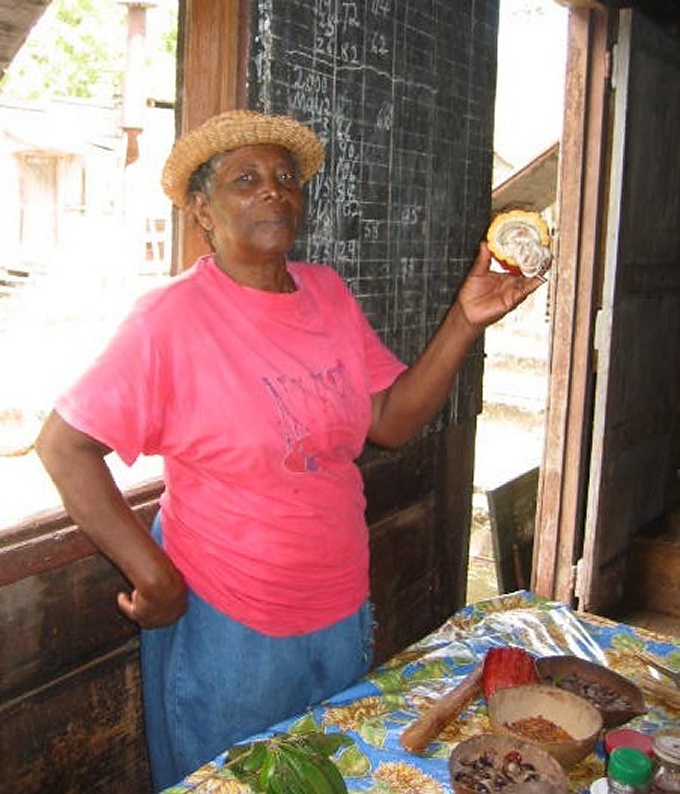
If I can't find them, they're too expensive or I use them in volume, I mix up my own combination spices like Italian Seasoning Blend or Chinese Five Spice or Taco Seasonings. You need several spices/herbs to do this, so I try to keep those spices stocked. Indian food … well, you need curry and turmeric, garam masala, and coriander and cumin. In Grenada, there was a serious spice market where we bought fresh nutmeg and mace (and a mortar and pestle which I never use).

spice lady in grenada

What about Mexican spices? There's cumin and chili pepper and cilantro and crushed red pepper. Many of the international cuisine spice requirements overlap, but sometime they don't and when I'm looking for just the right flavor, well, then I buy something new if I don't already have it. If we happen to be at a fresh market, it's easy to buy some of the local spices to try and perhaps pick up some new ideas of how to use them.

trinidad market

There are some herbs like bay leaves, for instance, that are not only good for putting in the soup pot, they're good for putting into food lockers and canisters to keep unwanted critters away. I usually have a good supply of bay leaves aboard.

bay leaves in rice

The biggest issues with having so many aboard is that heat, humidity and age wear them down. I'll use a little fenugreek in November and don't use it again till the next November. It's probably lost its potency and flavor by then. Do I run out and replace it? Probably not … it'll sit in the locker till I need it again and then I'll complain that it's not very good.

As far as having so many … hmmm … it's like having extra hose clamps or screws of every size … you never know when you might need them. And yes, that is Vegemite sitting in the spice locker. Hard to believe, we still have some left.

Here's my favorite, easy recipe for Italian Seasoning Blend:


Italian Seasoning blend
Recipe Type: spice
Cuisine: Italian
Author: Marcie Connelly Lynn
Ingredients
  • 3 Tbsp each of dried: basil, marjoram, oregano, parsley
  • 2 Tbsp each of dried: thyme, rosemary
  • 1 Tbsp: garlic powder
Instructions
  1. Grind together and mix using the back of a spoon. Place in tightly sealed jar/container to store. Good for about six months.

ANZAC Day 2014

“Those heroes that shed their blood and lost their lives … You are now lying in the soil of a friendly country. Therefore rest in peace. There is no difference between the Johnnies and the Mehmets to us. Where they lie side by side now here in this country of ours … You mothers, who sent their sons from faraway countries wipe away the tears. Your sons are now lying in our bosom and are in peace after having lost their lives on this land. They have become our sons as well.”


Turkish President and Gallipoli veteran, Mustafa Kemal Ataturk (1934)


Part of experiencing the cultural aspect of our cruising life is to help celebrate holidays unique to countries we visit. We first heard of ANZAC Day when we visited Pitcairn Island way back in 2009. We didn't fully understand the meaning of the day, but did sample some special cookies that were associated with the holiday. It wasn't until we were in New Zealand that we realized the significance of the holiday. Now, we are here in Australia and it's April 25th, ANZAC Day again.

anzac in albany

Australian and New Zealand Army Corps, known nowadays as ANZACs, joined the British allied forces in Europe to fight in WWI. They boarded ships here in Albany and landed at Gallipoli, gateway to the Ottoman Empire with the objective of capturing the capital city of Constantinople and providing access to the Black Sea for the Allied navies. They arrived in Gallipoli on April 25th, met heavy resistance and suffered major casualties in their 8-month long, unsuccessful campaign. During the 1920s, ANZAC Day became established as a National Day of Commemoration for the 60,000 Australians and 18,000 New Zealanders who died during the war. At almost 65%, the Australian casualty rate (proportionate to total embarkations) was among the highest of the war. Subsequently, the day has come to be a national day of remembrance to commemorate all Australians and New Zealanders "who served and died in all wars, conflicts, and peacekeeping operations" and "the contribution and suffering of all those who have served." It is very similar to Memorial Day or Veteran's Day in the USA and the associated ceremonies are just as moving.

anzac day

Albany, in particular, is commemorating this ANZAC Day in a big way. Troop ships departed from Albany back in November 1914 and for many men, this city was the last place in Australia that they saw. There's a prominent memorial at the Albany Anzac Peace Park downtown and several centenary commemorations are taking place here on ANZAC Day this year.

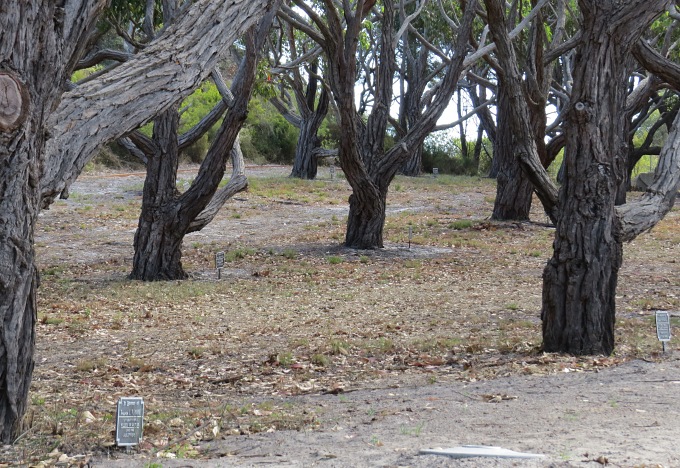
As we drove up the road to Mount Clarence, we felt a rise of emotion as we passed by the grove of trees that line each side of the road. A small plaque stands beside each tree, a memorial to a solder who had fallen in military service.

memorial grove

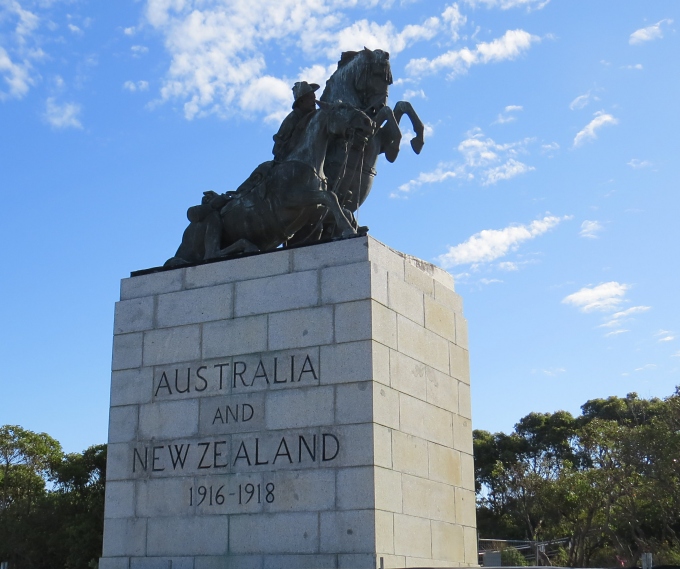
At the car park at the top of the hill, we noted fencing at the entrance to the stairs leading up to an iconic memorial. We politely ignored the “keep out” signs, skirted around the fence and proceeded up the steep, stairway. (Yes, we are scoff-laws … no need to point it out!). We did so with the intent of seeing the ANZAC Desert Mounted Corps Memorial situated on the very top of the mount. We were told that the striking statue represented a mounted Australian soldier assisting a New Zealand soldier whose mount had been injured. A bit of further research indicated this might not be the case. It is, instead, an Australian and a New Zealander dismounting to enter battle on foot. The purportedly “wounded” horse is actually Bess, the only New Zealand horse to return home after the war. Interestingly, the original statue stood in Port Said, Egypt and was destroyed. This statue is a copy of the original and a second copy stands in Australia's capital city, Canberra.

desert mount memorial

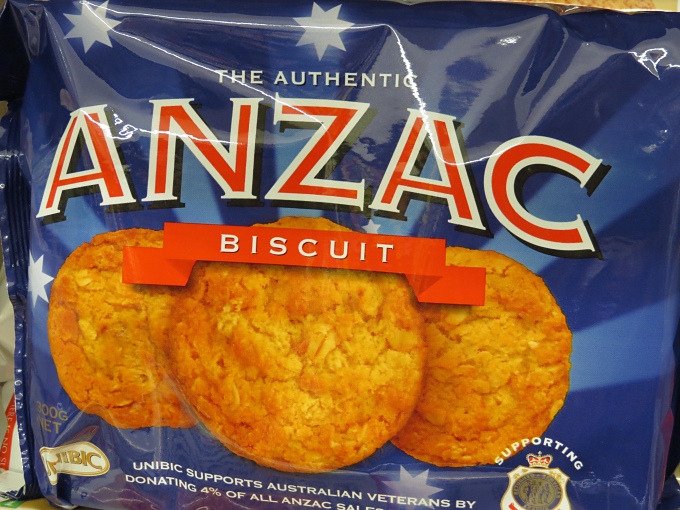
Anzac biscuits (we call them cookies) have long been associated with the Australian and New Zealand Army Corps of WWI. Some claim the biscuits were sent by wives and mothers to soldiers abroad and because the ingredients did not spoil easily, the biscuits kept well during naval transportation. Though they're available commercially on supermarket shelves today, I plan to bake some in honor of ANZAC Day.


anzac biscuits

Here's the recipe … and man, are they ever good!

ANZAC Biscuits
Recipe Type: Cookie
Cuisine: Australian
Author: Marcie Connelly Lynn
Ingredients
  • 1 ½ cups rolled oats ¾ cup (175 gr) butter or margarine
  • 1 ½ cups flour 3 Tbsp golden syrup
  • 1 ¼ cups sugar 3 Tbsp boiling water
  • 1 cup shredded coconut 2 tsp bicarb/baking soda
Instructions
  1. Combine the dry ingredients in a bowl.
  2. Melt butter and syrup* together.
  3. Mix boiling water and soda.
  4. Blend into butter mixture and pour over dry ingredients.
  5. Mix well.
  6. Place rounded teaspoonfuls on lightly greased trays/cookie sheets. Allow room to spread.
  7. Bake in a slow 300F / 150C deg) oven for 15-20 mins. Watch them … they burn easily.
  8. Loosen while warm and leave on trays for 5 mins, then transfer to wire rack.
  9. Makes 2 trays of 16 biscuits.
Notes
Golden syrup is not readily available in the USA. The following seem to be reasonable substitutions … honey, maple syrup, molasses or a a mix of ½ dark corn syrup and ½ brown sugar.[br][br]Thanks Catherine, Kay and Pauline for providing ANZAC biscuit recipes to share.