There are probably more museums in St. Augustine than churches. There's a Pirate and Treasure Museum, the original, kitschy Ripley's Believe or Not Museum, Potter's Wax Museum, the Spanish Quarter Museum, the Spanish Military Hospital Museum, the Lighthouse Museum, the Old Jail Museum … the list goes on and on. But the gem of St. Augustine is the Lightner Museum and if you're being choosy about which museum to visit, this is the one that should top your list. It's outstanding.

Otto Lightner (1887-1950) known as “America's King of Hobbies” was a self-made, wealthy newspaper editor and publisher. He was the owner and publisher of Hobbies, an antiques and collectibles magazine during the Great Depression and advocated collecting. "Even with no money … everyone should have a hobby. Everyone should collect something". Whether it be matchbox covers, cigar bands or buttons, he endorsed collecting. He took his own advice, starting his own collections and buying other people's collections. He bought large homes in Chicago to house his collections. In the 1940s, he moved to St. Augustine for health reasons. Henry Flagler's flagship hotel, The Alcazar, had long since been abandoned and was in shambles. He bought it for $150,000 … pennies on the dollar … restored it and moved his sizable collections into it. Dubbed the “Smithsonian of the South”, the Lightner Museum opened in 1948. He donated the complex to the city of St. Augustine with the proviso that it would forever house his collection of collectibles. Since the early 1970s, St. Augustine's city offices reside in the old Alcazar next to the Lightner Museum.

The appeal of this museum is not just the collections, which are substantial, but the rooms and surroundings in which they're displayed. From the moment we walked in the door, we were mesmerized and nearly overwhelmed by the grandness of all we saw.

The collection, valued in the millions, is as diverse and eclectic as people's imaginations. On the first floor, there's a collection of shaving mugs, cigar bands, an Egyptian mummy, a dinosaur egg, a shrunken head, a whole room dedicated to musical instruments, steins and mugs, dolls and toys, ladies' hats and gloves and purses, Valentines, human hair decorations, a stuffed African lion once presented to Winston Churchill, a stuffed American crocodile hanging from the ceiling, steam engines, a huge, life-size carved bear, seashells, artwork, sculptures … I could go on and on and on. It's bizarre.

We took the elevator to the top floor ballroom and starting working our way methodically from one exhibit to the next, one gallery to another. I can imagine orchestras playing and people gliding to waltz music on the polished wooden floors. It's exquisite. Beautifully crafted furniture was on display along with huge ceramic vases and sculptures and artwork. From the gallery rails, we looked down on the restaurant far below which once was the largest indoor swimming pool in the country.

In another gallery on the top floor, we viewed textiles, a vast button collection, lace, quilts, cigar box labels, and cross-stitched samplers, Burmese carved furniture and everywhere more artwork and ceramics.

We looked down on the exhibits of cut glass and art glass and fine china in a gallery on the floor below. Gleaming chandeliers caught the light and added even more dazzle to the scene.

One darkened room held a stained glass collection with full sized windows and gorgeous signed Tiffany lamps.

I was intrigued by a ceramic ape (?) which sat alone atop a grand piano. The docent said it fell into the “grotesque” category, but there was no description of the piece nor information about its origins available.

I'm leaving so much out because the extent and diversity of the collections just boggle the mind. Tiffany to typewriters to toasters, blown glass, suits of armor, lanterns, paper dolls, the hotel's old sauna and even a room dedicated to the grandeur of Downton Abbey … there are obviously very few things that aren't collectible by at least someone.

Needless to say, we left with sensory overload. This is a place you could easily visit over and over again and see new and fascinating things each time.


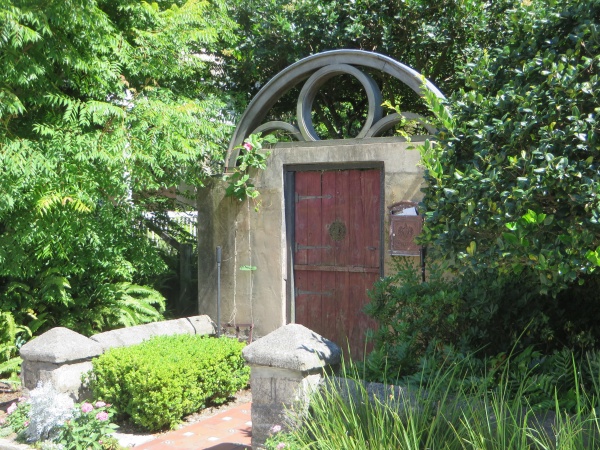
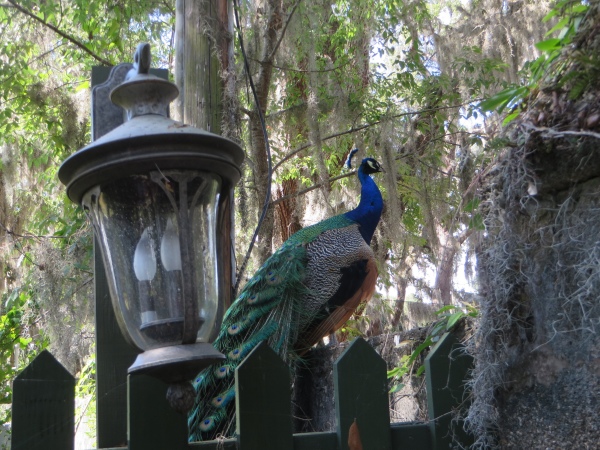
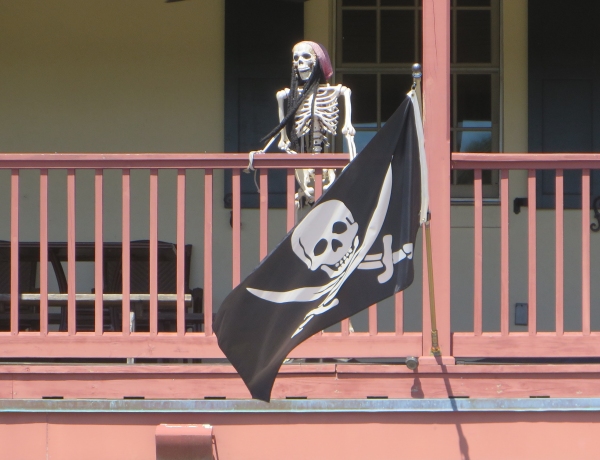
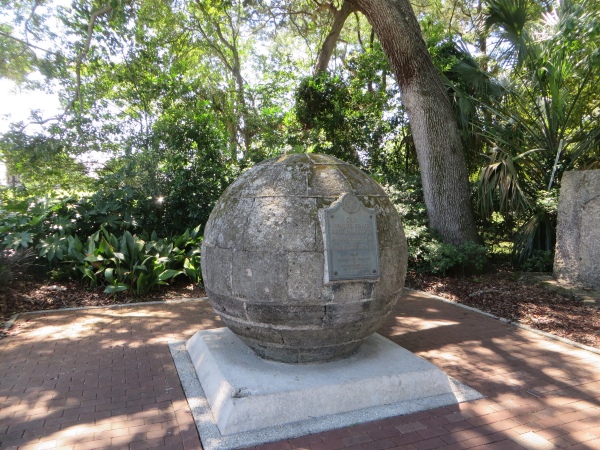
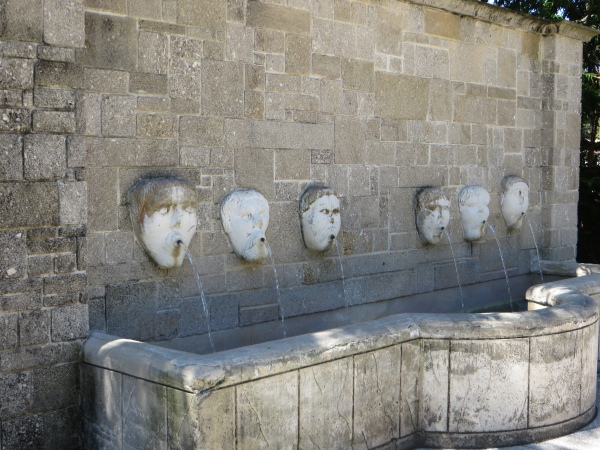
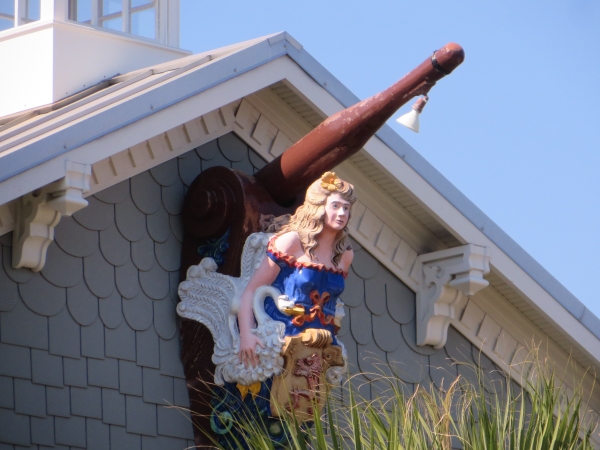
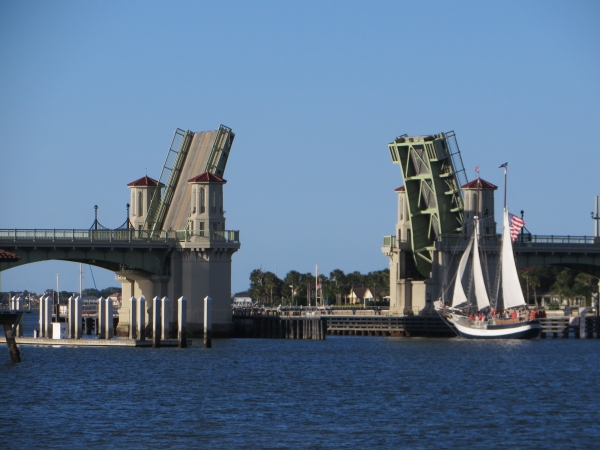
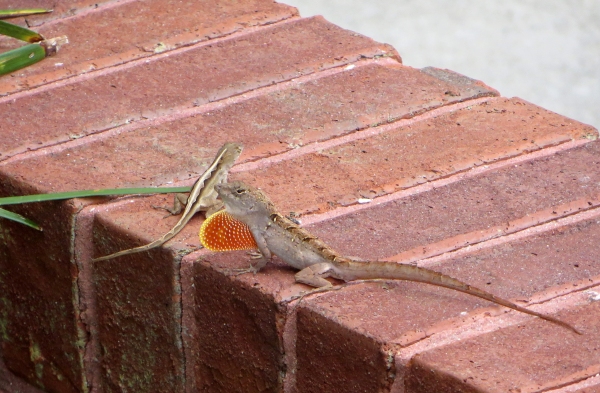
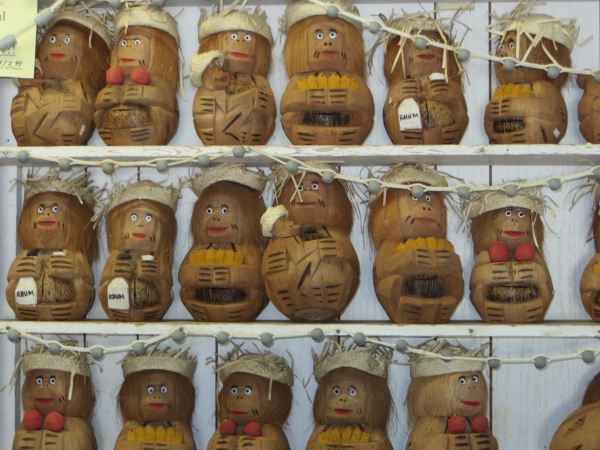
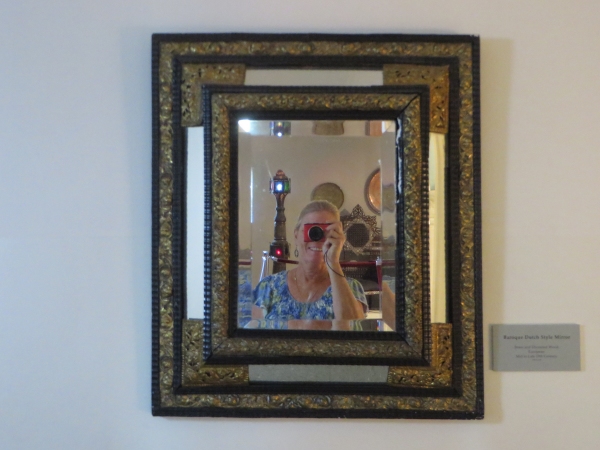
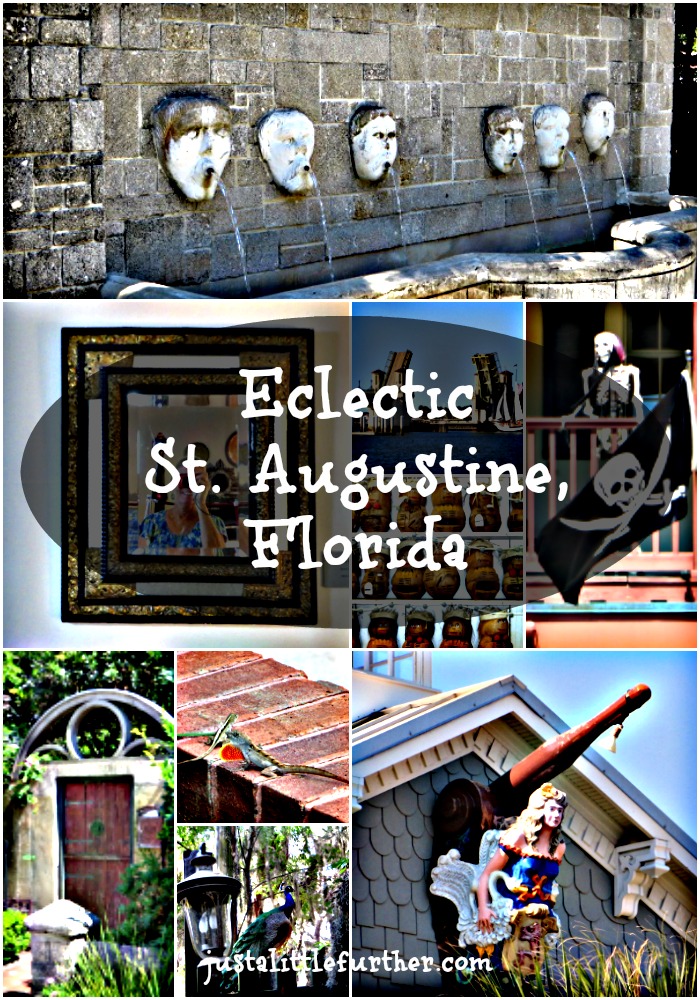 As we wandered and explored St. Augustine, I snapped photos of anything that caught my fancy and many times these pix just don't fit anywhere into a blog post. Still, I wanted to share them with you. This post is a pictorial catch-all for those photos that previously didn't have a place. Hope you enjoy.
 We are very conservative sailors. We reef down before we need to when we see potentially bad weather approaching or in the evenings when we can't always see a squall coming our way until it is on top of us. Likewise, we use less sail than we did a few years ago - we'd rather trade a few miles of distance each day for a more comfortable ride. We call it 'leisurely sailing' (although in our younger years we undoubtedly called it 'old fart sailing'). A good day for us now is 150 nautical miles, just over an average of six knots.