

Ethanol - More Than You Ever Wanted to Know
/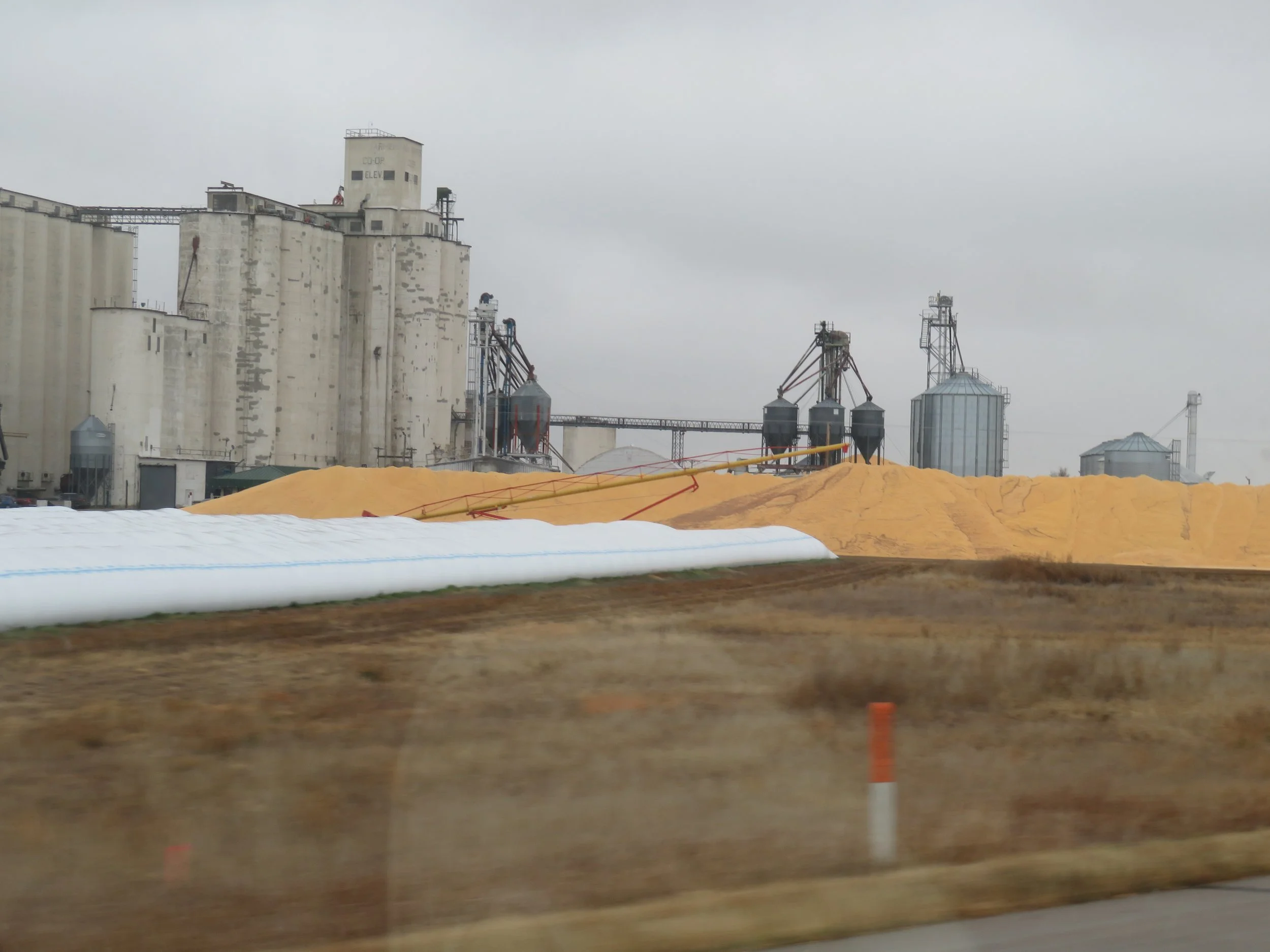
There were a lot of silos along our route, many with piles of corn alongside
As we were driving through Hastings, Nebraska on U.S. 6, we passed a huge industrial plant. The facility must have been at least a couple hundred acres in size, and had a maze of piping, several smokestacks emitting what appeared to be steam, and perhaps a dozen or so storage tanks. A coal fired power plant? A refinery? A Purina Dog Chow processing plant? The mystery was solved when we saw the sign on the entryway… the Chief Ethanol Plant.
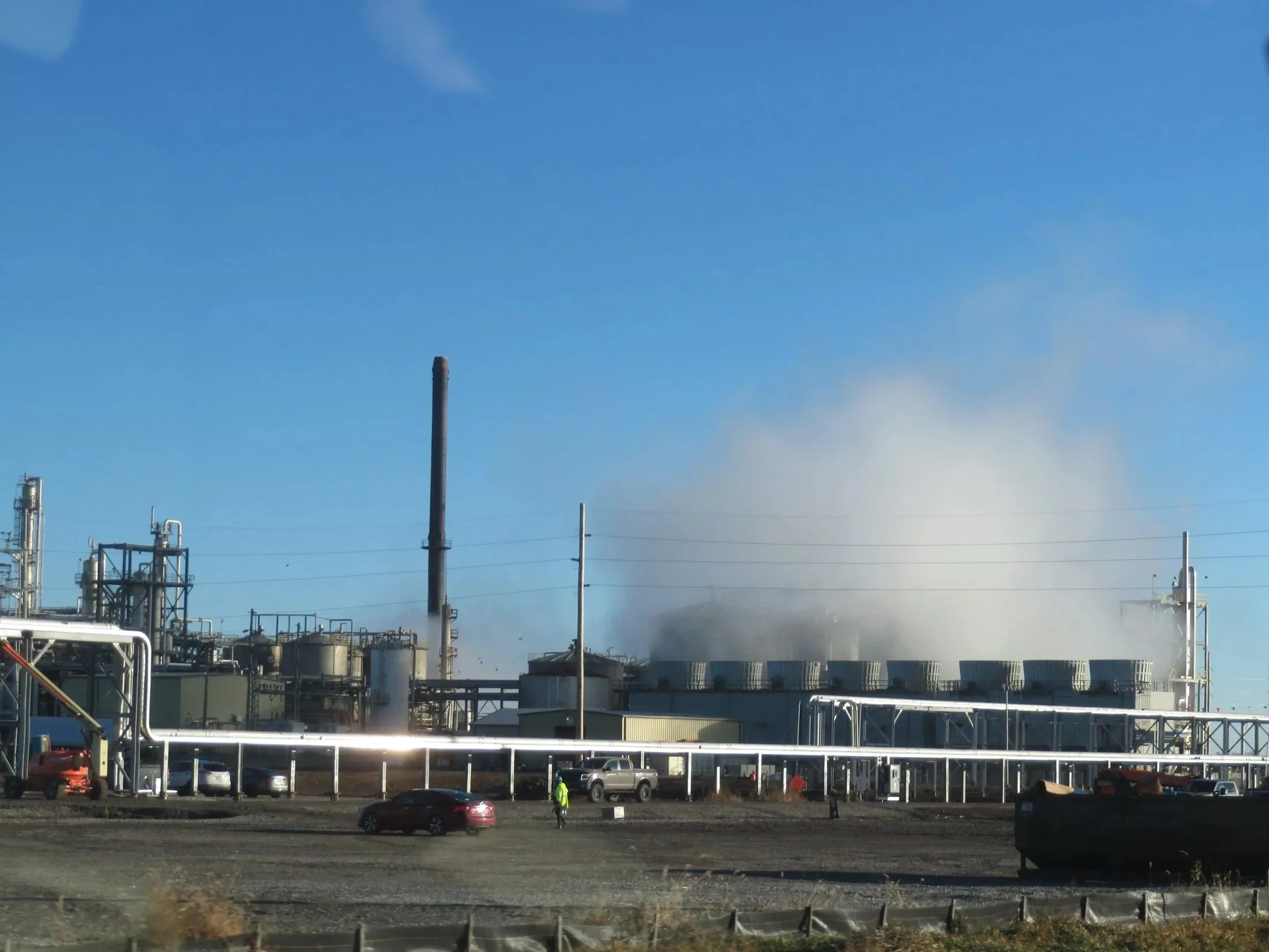
The Chief Ethanol plant outside Hastings, Nebraska
We should have guessed this, for the clues were everywhere. For the last 200+ miles, we’d been passing cornfield after cornfield, with grain silos interspersed every few miles. In addition, most of the silos had huge piles of corn - presumably because the silos were full to capacity, and there was nowhere else to put the fall harvest. And what is most of that corn used for? The production of ethanol.
What Ethanol is Used For
Ethanol is a component of a great number of things. It is, of course, the alcohol in alcoholic beverages. It’s also the main ingredient used in most hand sanitizers and disinfectants. It is used in perfumes, hair spray, paint and varnishes as both a solvent and as an aid to promote faster drying. It is a main component of many cleansers and degreasers as it dries quickly and leaves no residue. There are probably a hundred other uses for ethanol as well, but its primary use, by far, is as an additive to gasoline.
Use as a Gas Additive
There are a couple reasons why ethanol is used as an additive to gasoline…
Reduction in Greenhouse Gases
The Renewable Fuel Standard (RFS) program was enacted by Congress in 2005 in an effort to improve our energy independence and to reduce greenhouse gases. From the EPA, it is “a national policy that requires a certain volume of renewable fuel be used to replace or reduce the quantity of fossil fuel in transportation fuel, home heating oil, or jet fuel.”
Because of this standard, almost all gasoline in the U.S. contains ethanol. The usual mixture is 90% gasoline and 10% ethanol, known as E10, which can be used in any gasoline vehicle that burns normal, unleaded gasoline. But there are two other blends that are commonly available at the gas pump. One, E15 (10.5%-15% ethanol), can be used in 2001 and newer light duty vehicles, while E85 (51%-83% ethanol) is an alternative fuel that can be used in flexible fuel vehicles.
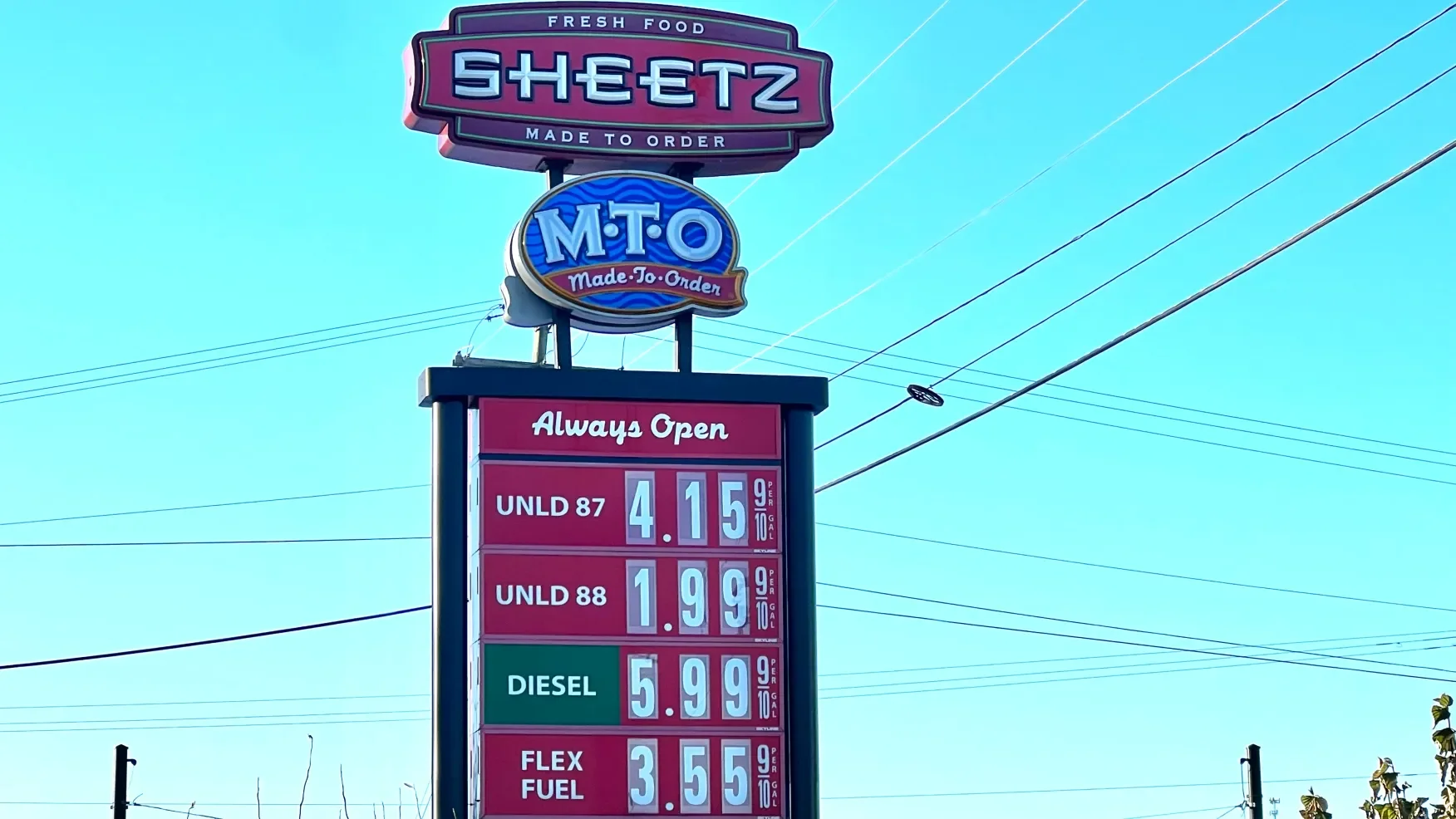
In theory, ethanol/gasoline blends reduce greenhouse gases in two ways: ethanol burns cleaner, producing less CO2 than undiluted gasoline, and the next year’s crop of corn plants re-absorbs much of the CO2 that is produced by the cars that burn the fuel.
In the two decades since the standard was enacted, there have been numerous studies done to quantify just how much green house gases were reduced by using the ethanol blends. Some early studies concluded that, if the entire life-cycle process of producing ethanol, including the fertilizer to grow the corn, tractor fuel, transportation of the grain, and production of ethanol was taken into account, there was very little difference in the carbon footprints of gasoline vs. gasoline/ethanol blends. Over the years, as the process has become more efficient and more data has become available, however, more recent studies concluded that there has indeed been a significant reduction in the amount of CO2 produced by cars. Both a 2019 study by the USDA and a 2020 Argonne National Lab study found that corn ethanol has an approximately 40% reduction in life-cycle greenhouse gas emissions. To put this into perspective, between 2005 and 2019, corn ethanol helped reduce greenhouse gas emissions by 980 million tons - equal to taking more than 200 million cars off the road.
Reduction of Carcinogenics
If you put pure gasoline in your tank, your car would see a loss of power and the engine would knock loudly. Run it long enough and your engine would be destroyed. Pure gasoline does not have a high enough octane rating to run any automotive engine made since 1920, so additives have been used to increase the octane for well over a century. Before the mid-90s, the additive used was lead. In the 1960s, studies indicated that there were significant levels of lead in the air of many cities, caused by tailpipe emissions and with it, an associated risk of lead poisoning, especially in urban children. The Clean Air Act of 1970 addressed this problem, but it wasn’t until 1996 that lead was totally banned from on-road fuels.
To replace the lead, refineries stated adding other additives to gasoline to increase the octane. These additives, known as aromatic hydrocarbons, produce harmful air pollutants that are known to cause cancer, adverse reproductive effects, and other health issues. Ethanol also increases the octane level in gasoline, and is a direct substitute for aromatics. Every year, E10 reduces aromatics in gasoline by 7 to 8 billion gallons.
How It’s Made
The production of ethanol from corn is pretty much the same, whether the end result is corn liquor from a moonshine still in Appalachia or a gasoline additive. The corn is ground up into a powdery meal, which is then combined with water and enzymes. The mixture is heated to around 180-190 degrees Fahrenheit and is turned into a mash form. Next, yeast is added to the mash and the slurry is allowed to ferment until the sugars have been converted to alcohol. Finally, a distillation process is used to separate the alcohol from the water and solids.
There is one difference between moonshine brew and the gasoline additive brew, however. By law, ethanol that is to be used as a gasoline additive must be unusable for human consumption. To accomplish this, a small amount of gasoline (2-2.5%) is added - although, to be honest, some of the grain alcohol I sampled when young and stupid did taste a lot like gasoline.
Animal Feed
The mash residue, called distillers grain, is primarily protein, fiber, fat and moisture, and is commonly sold as a high protein livestock feed. A ton of corn will produce about 100 gallons of ethanol and between 350 and 500 pounds of distillers grain, depending on the desired moisture content.
Future Improvements
The fermentation process actually produces three products - ethanol, distillers grain and CO2. I find this somewhat ironic in that the main purpose of adding ethanol to gasoline is to reduce greenhouse gases like CO2. Fortunately, the amount of CO2 produced during the fermentation process is small compared to the reduction of the CO2 in our air due to burning ethanol/gasoline blends in our cars. Nonetheless, the ethanol production process would be improved if there was either a use for, or a way to sequester the CO2 produced during the fermentation process.
Progress is being made in this area. In 2021, around 2.7 million tons of CO2 was captured from ethanol production in the U.S., much of which was used for carbonated beverages, dry ice production, and food processing. It was also used for enhanced oil recovery by pumping the CO2 into deep oil wells to displace the oil. There are also new technologies being investigated that could convert captured CO2 into products like sustainable, clean aviation fuel, methanol and other chemicals.
See you next time.