
Boot Hills We've Known
/“Here lies George Johnson
Hanged by mistake.”
In our travels throughout the west, we've visited lots of Boot Hill cemeteries. These are proof that in the Old West, being fast with a gun was a survival skill—and sometimes you still lost. They were the only places where a man could go from “new in town” to “permanent resident” faster than you can say high noon.
Named for the habit of being buried with your boots still on, Boot Hills popped up wherever frontier towns sprouted saloons, sheriffs with limited patience, and an alarming shortage of doctors. Some of the headstones were terribly sad - we grieved for all the infants and children that died of the various illnesses in those days, and the mothers who died during childbirth. But many of the residents earned their resting spots by getting a little too rowdy after a long cattle drive, making a bad poker decision, "borrowing" the wrong man's horse, or even staking a mining claim that someone else thought ought to be theirs.
The headstones were often crooked, featuring misspelled names, and epitaphs that doubled as life advice—usually along the lines of don’t do what I did.
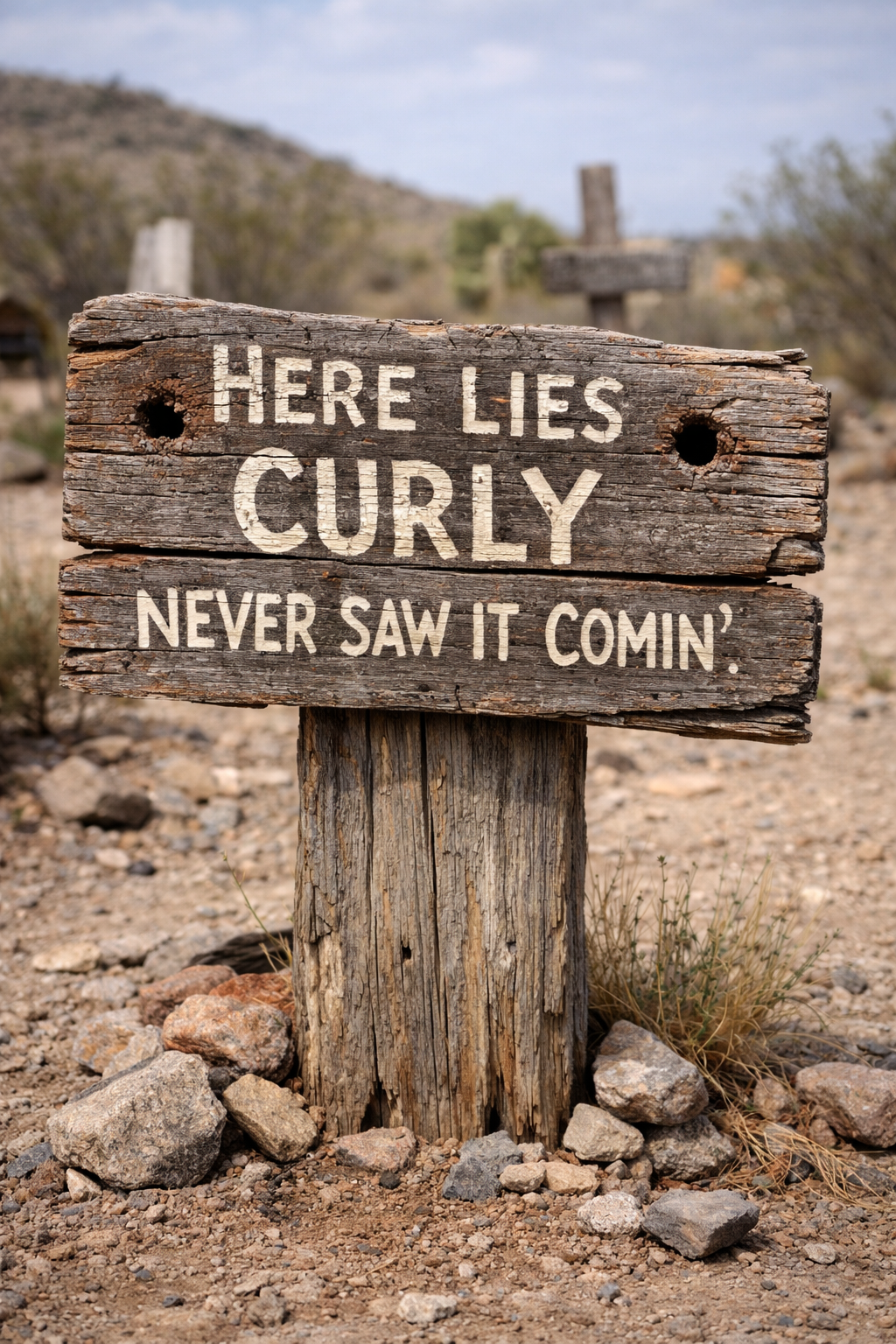
So saddle up… we’re about to stroll through the Old West’s most exclusive neighborhoods—where the residents never complain, the plots are permanently sold out, and most graves have a story that starts with, “Well, it seemed like a good idea at the time.”
Dodge City, Kansas
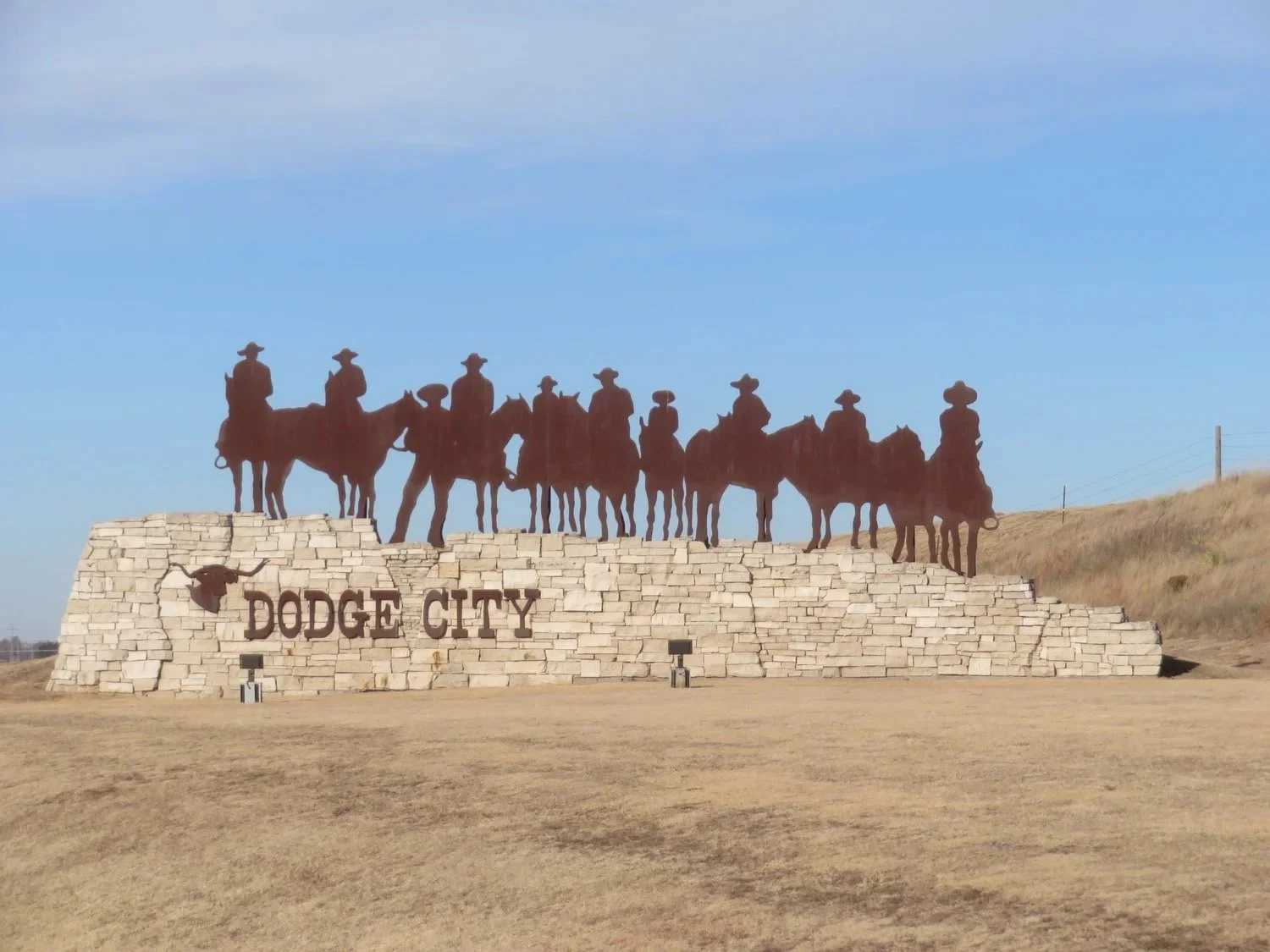
We passed through Dodge City on our latest road trip. The Boot Hill Cemetery has been removed and the Boot Hill Museum was built in its place, so there are no longer any headstones to see. Here, however, are a few of our favorites that were there once:
“Here lies Hank Miller
Danced with a cowhand’s wife.”
“Shot by the marshal
Should’ve left town yesterday.”
“Here lies Pete Dawson
Called Dodge City ‘quiet.’”
“Died sudden
Drank first, thought later.”
Tombstone, Arizona
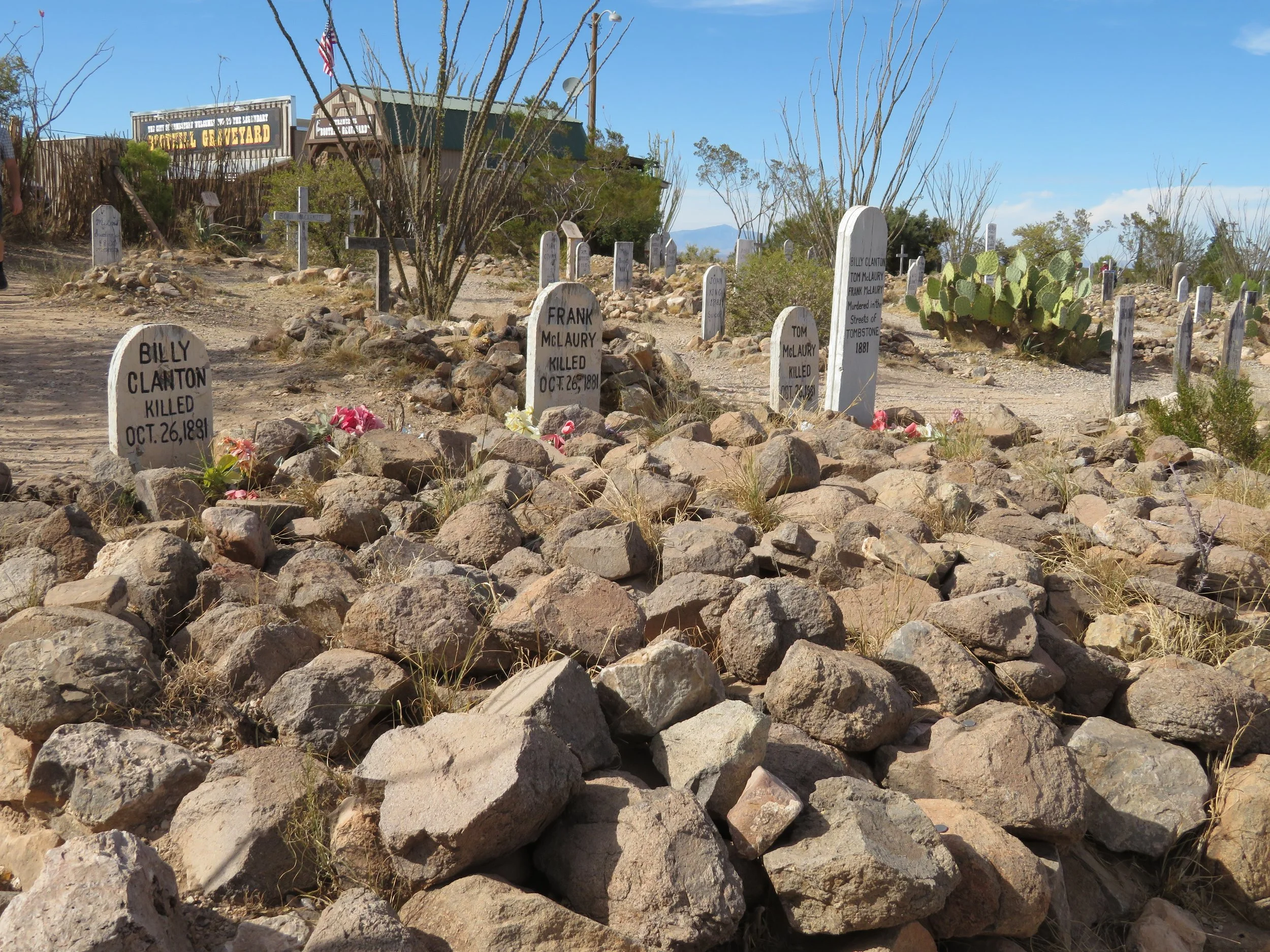
The Clanton Gang placed second at the OK Corral
Tombstone, Arizona burst onto the frontier scene in 1877 after rich silver deposits were discovered. Lawmen, outlaws, miners, and gamblers flooded in, creating a volatile mix that culminated in the infamous 1881 Gunfight at the O.K. Corral involving the Earp brothers, with Doc Holliday, and the Clanton gang. Boot Hill Cemetery, established during the town’s most violent years, included victims of gunfights, hangings, lynchings, and frontier justice. As silver production declined in the late 1880s and fires devastated much of the town, Tombstone’s population faded, but its legend grew. Today, the preserved Boot Hill and historic streets embody the danger, drama, and enduring mythology of the Old West.
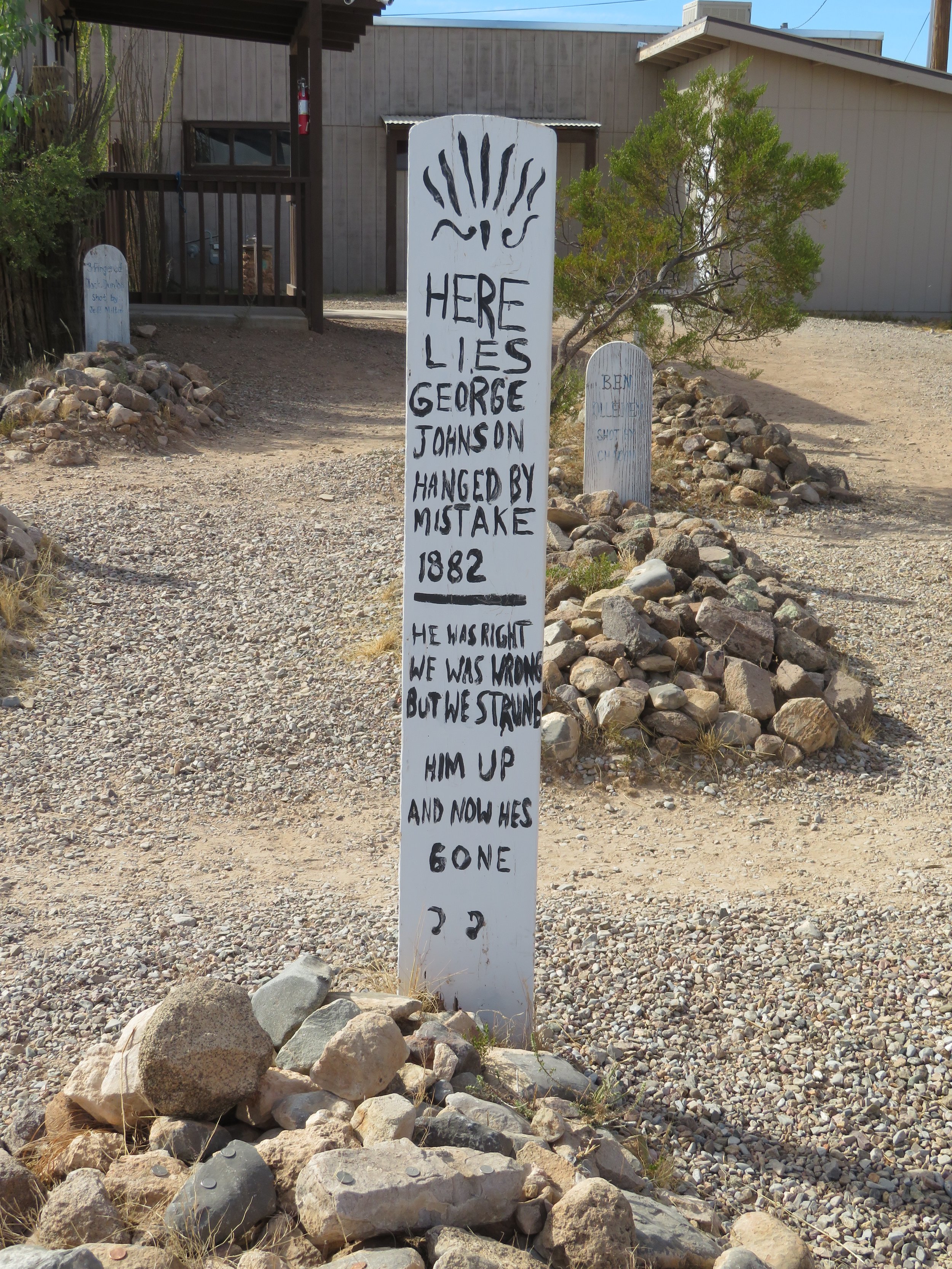
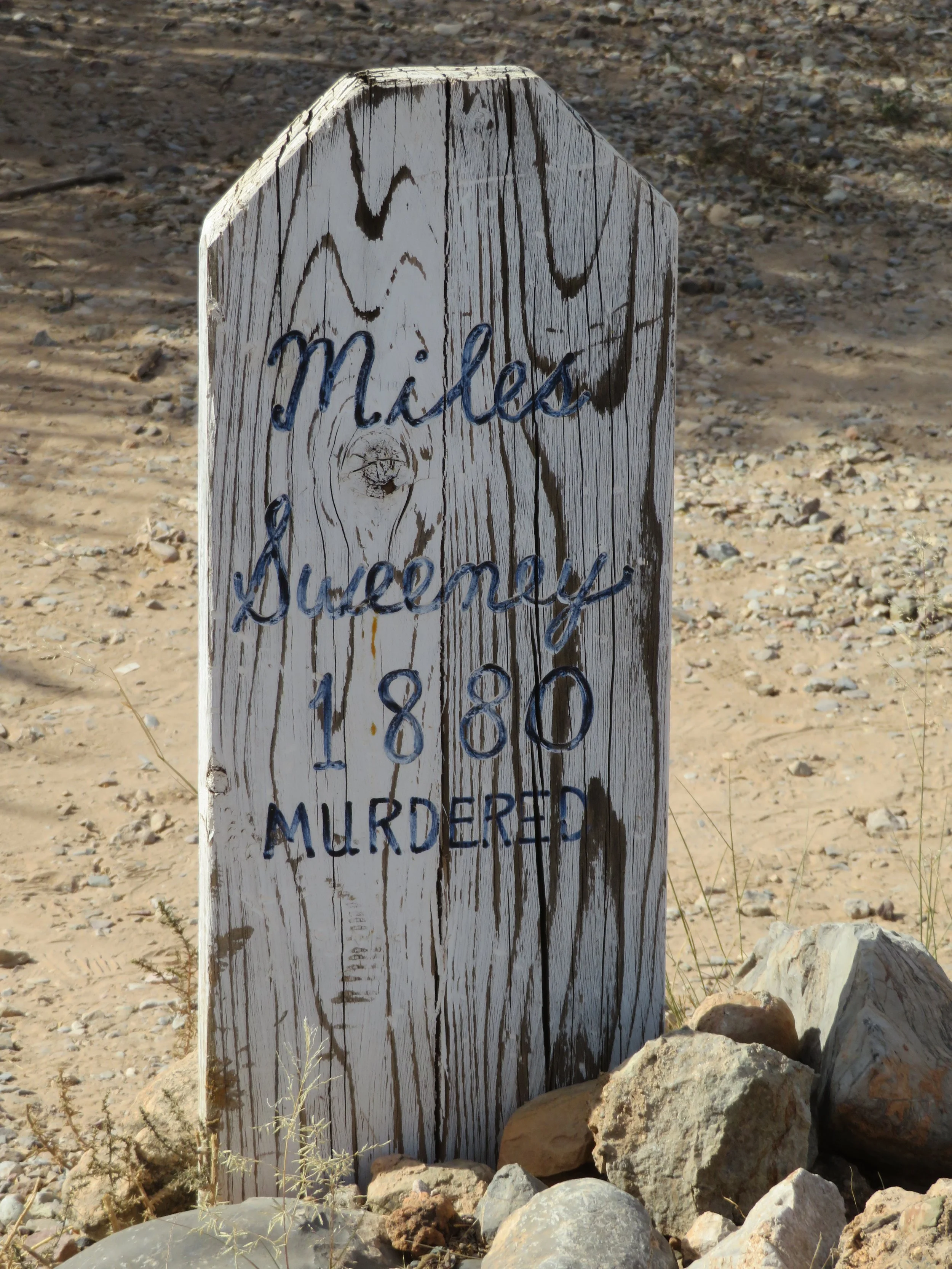
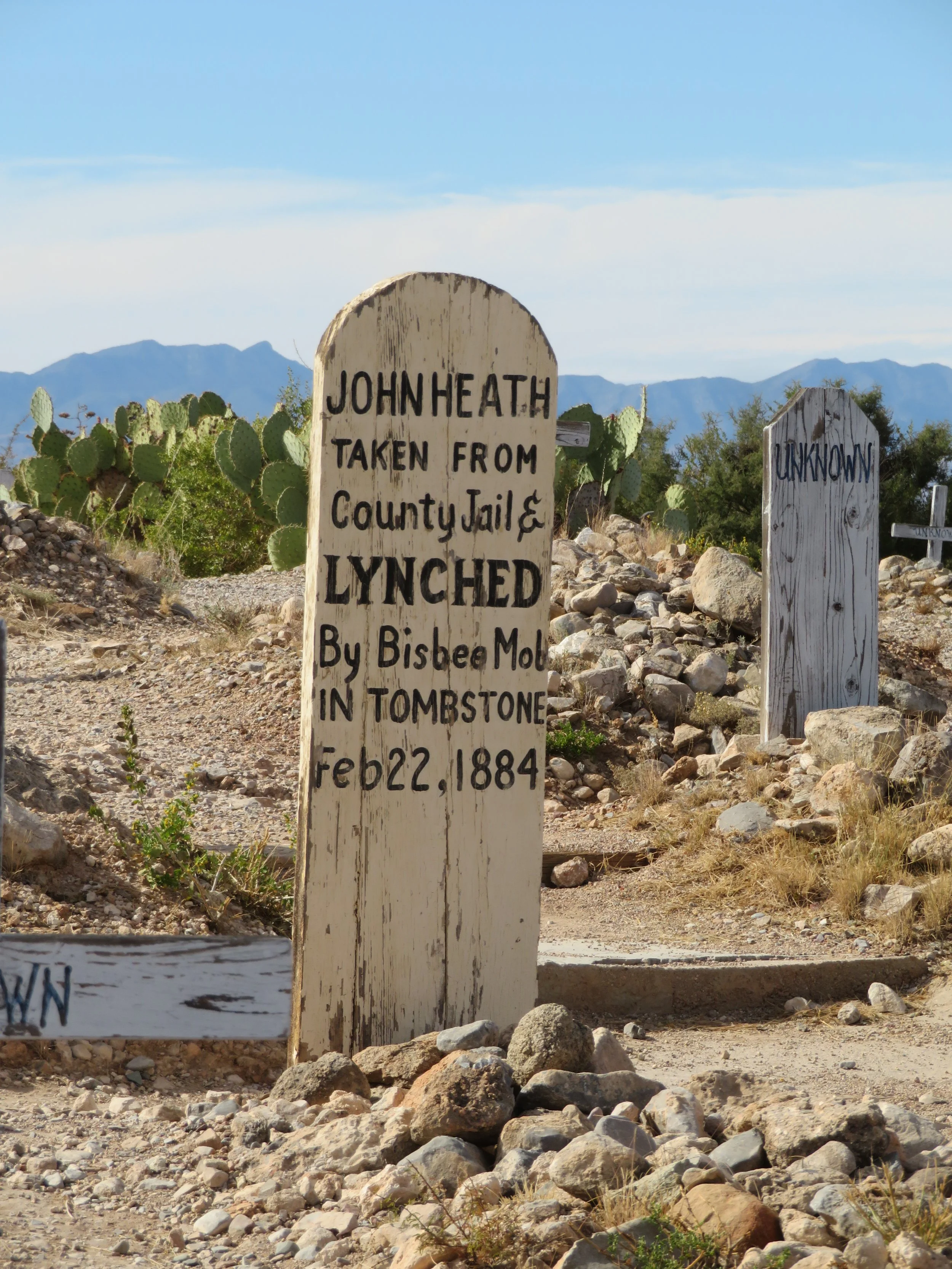
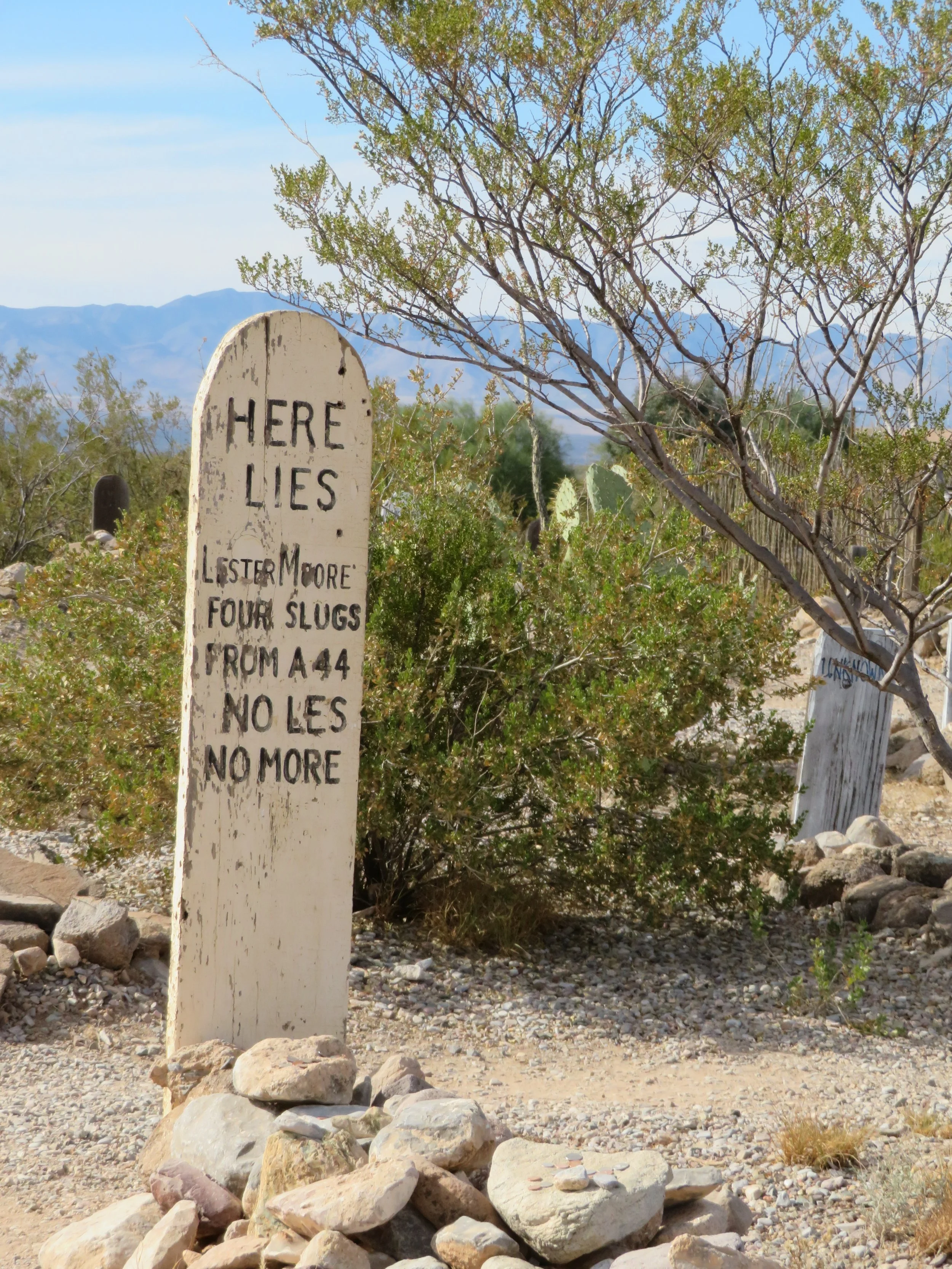
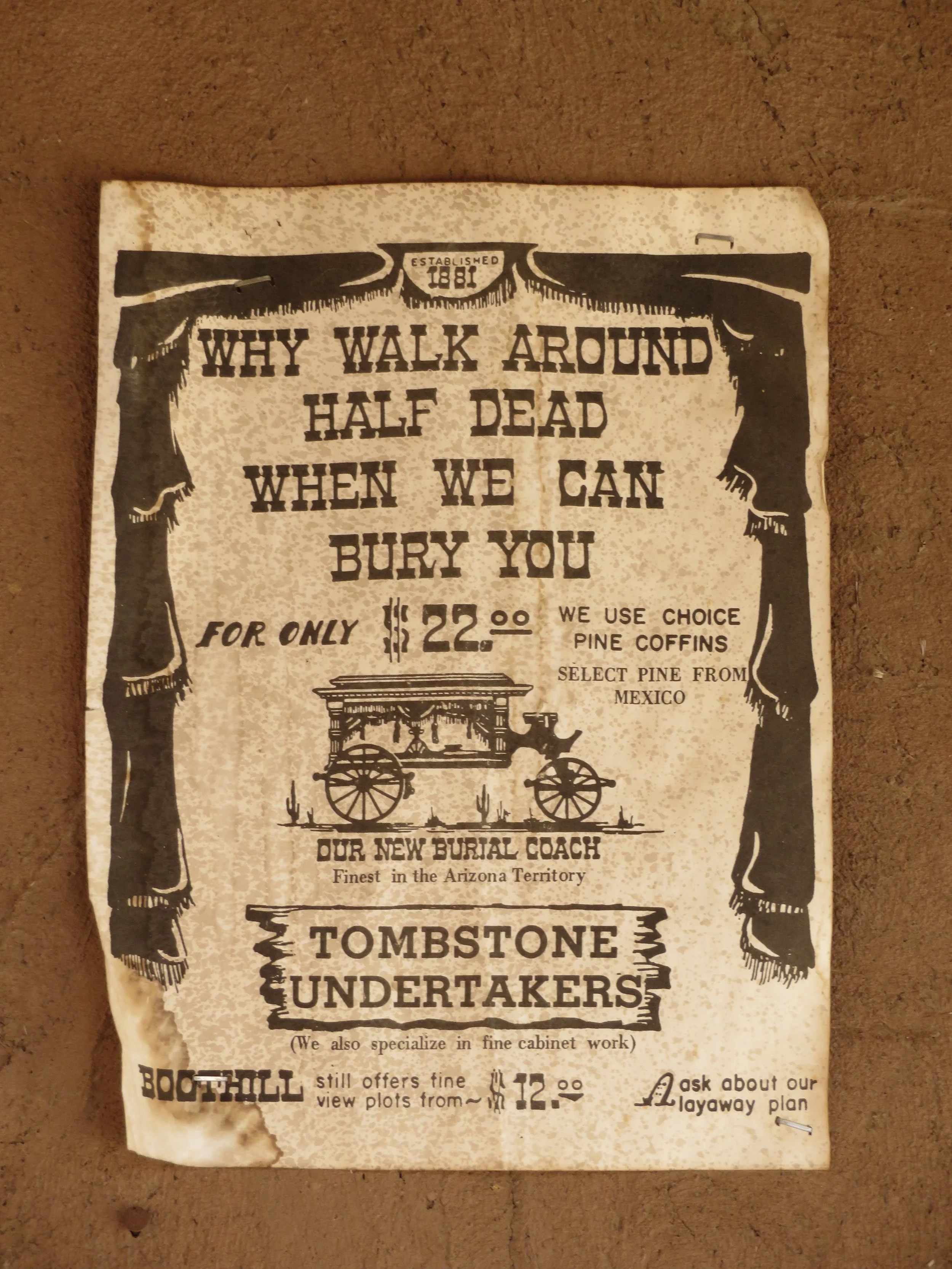
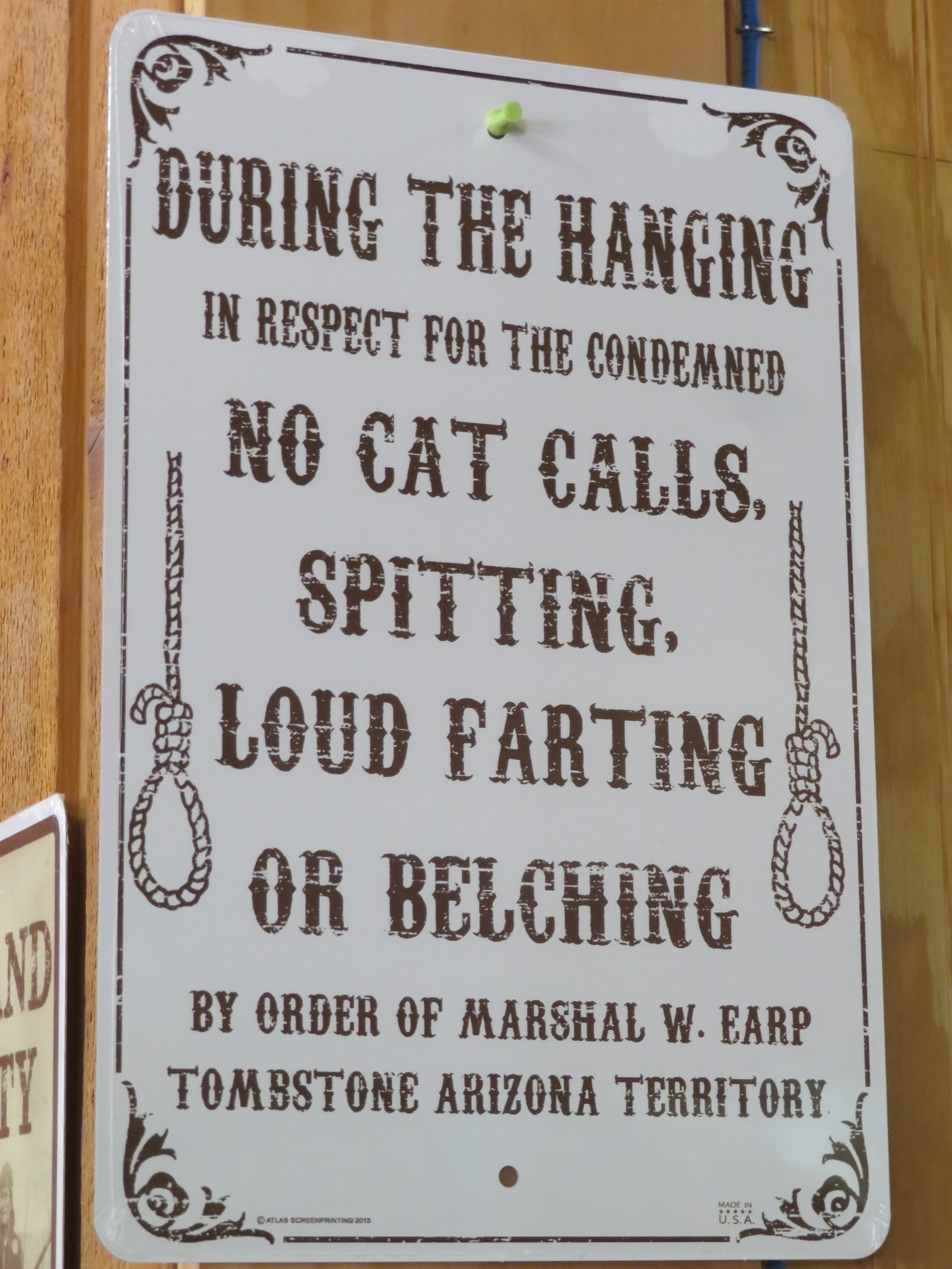
Some other interesting epitaphs:
“Here lies Ben Carter
Missed his draw at Fremont Street.”
“Shot dead in Tombstone
Thought the Earp was bluffing.”
“Here lies Silas Green
Entered the O.K. Corral late.”
“Killed arguing over cards, whiskey, and who started it.”
"Hank Miller
Danced once too often"
"Shot by marshal - warned twice, ignored both"
Deadwood, South Dakota
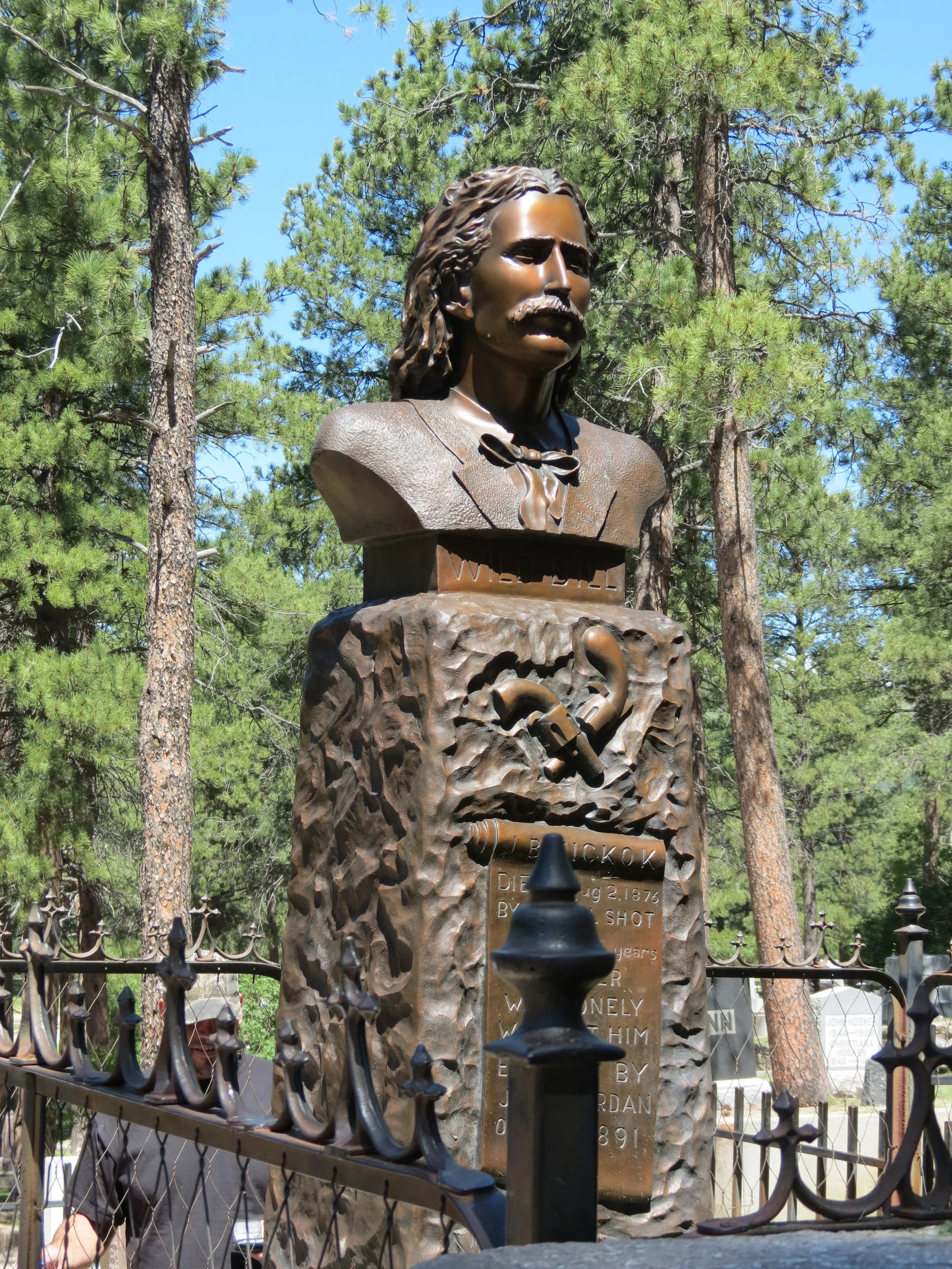
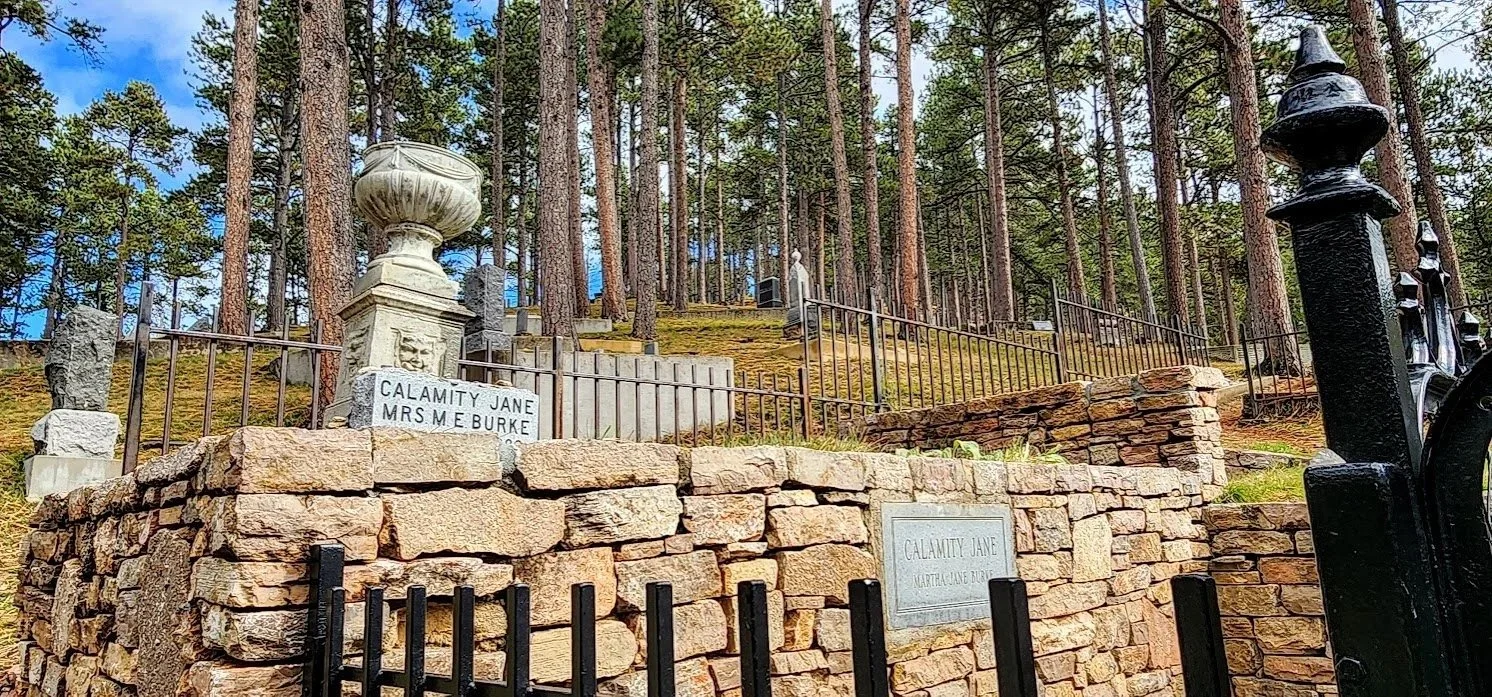
Wild Bill Hickok’s Grave
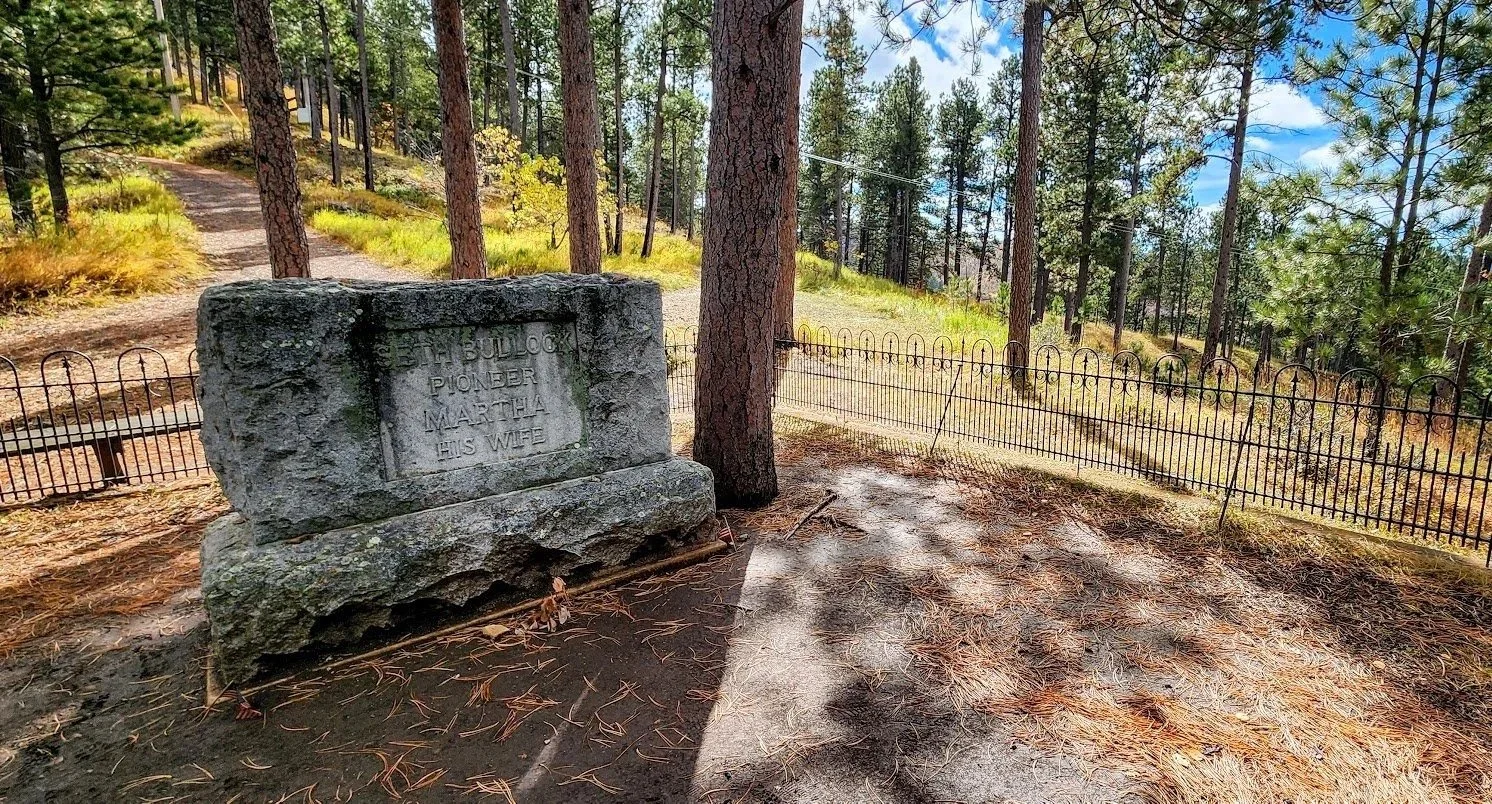
Deadwood, South Dakota, was born in 1876 after gold was discovered in the Black Hills, drawing prospectors, gamblers, and outlaws into land that was still legally part of the Great Sioux Reservation. Almost overnight, the lawless mining camp exploded into a raucous boomtown, made famous by characters like Wild Bill Hickok, Calamity Jane, and Seth Bullock, the character portrayed by Timothy Oliphant on the series Deadwood. With little formal law at first, Deadwood gained a reputation for violence, vice, and vigilante justice, punctuated by Hickok’s notorious shooting during a poker game.
Mt. Moriah Cemetery is the town's old Boot Hill. Only about a third of the approximately 3,600 graves are marked, although restoration work is underway to identify more remains and restore the headstones.
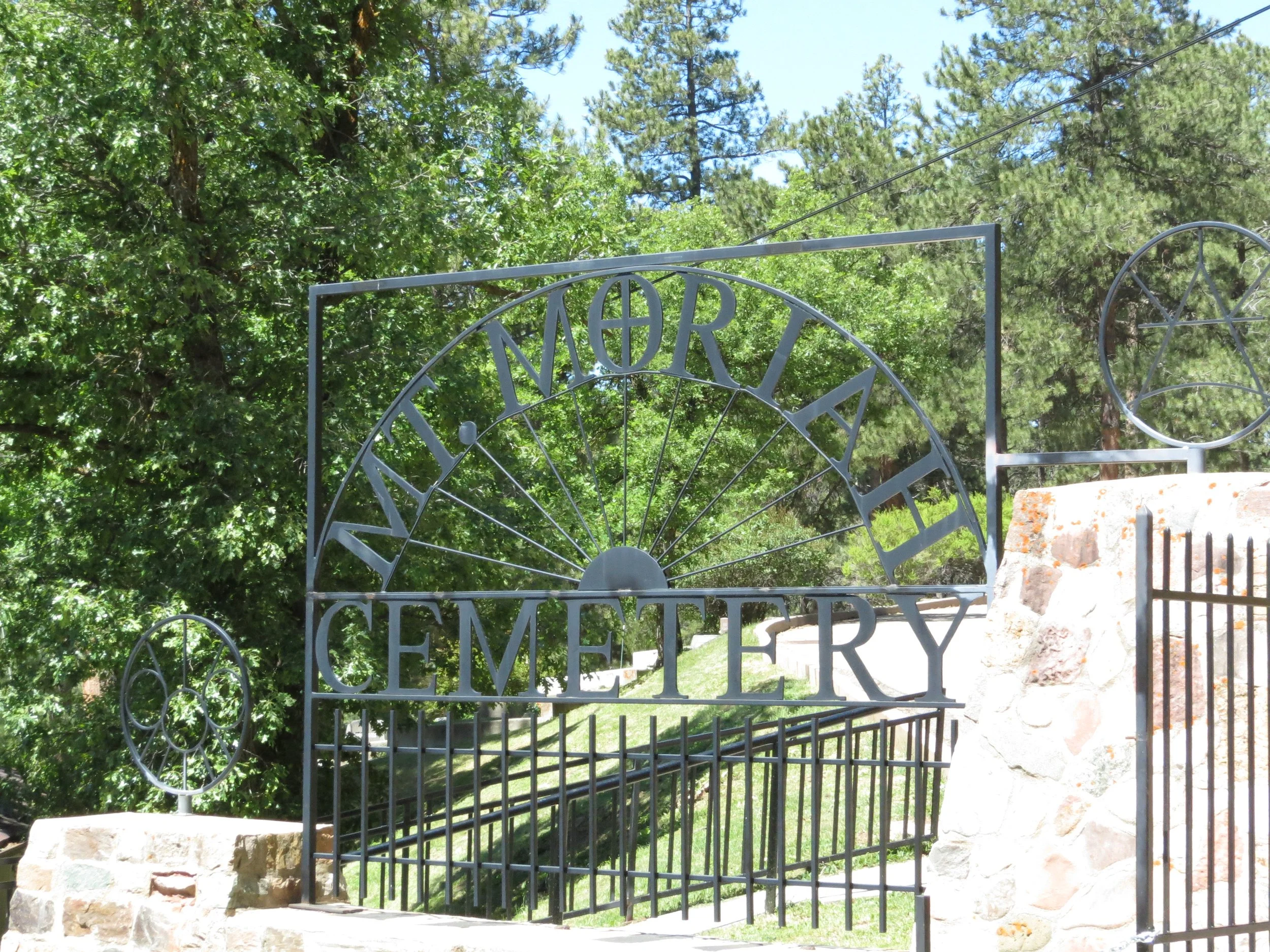
Below are two of the more famous graves:
Glenwood Springs, Colorado
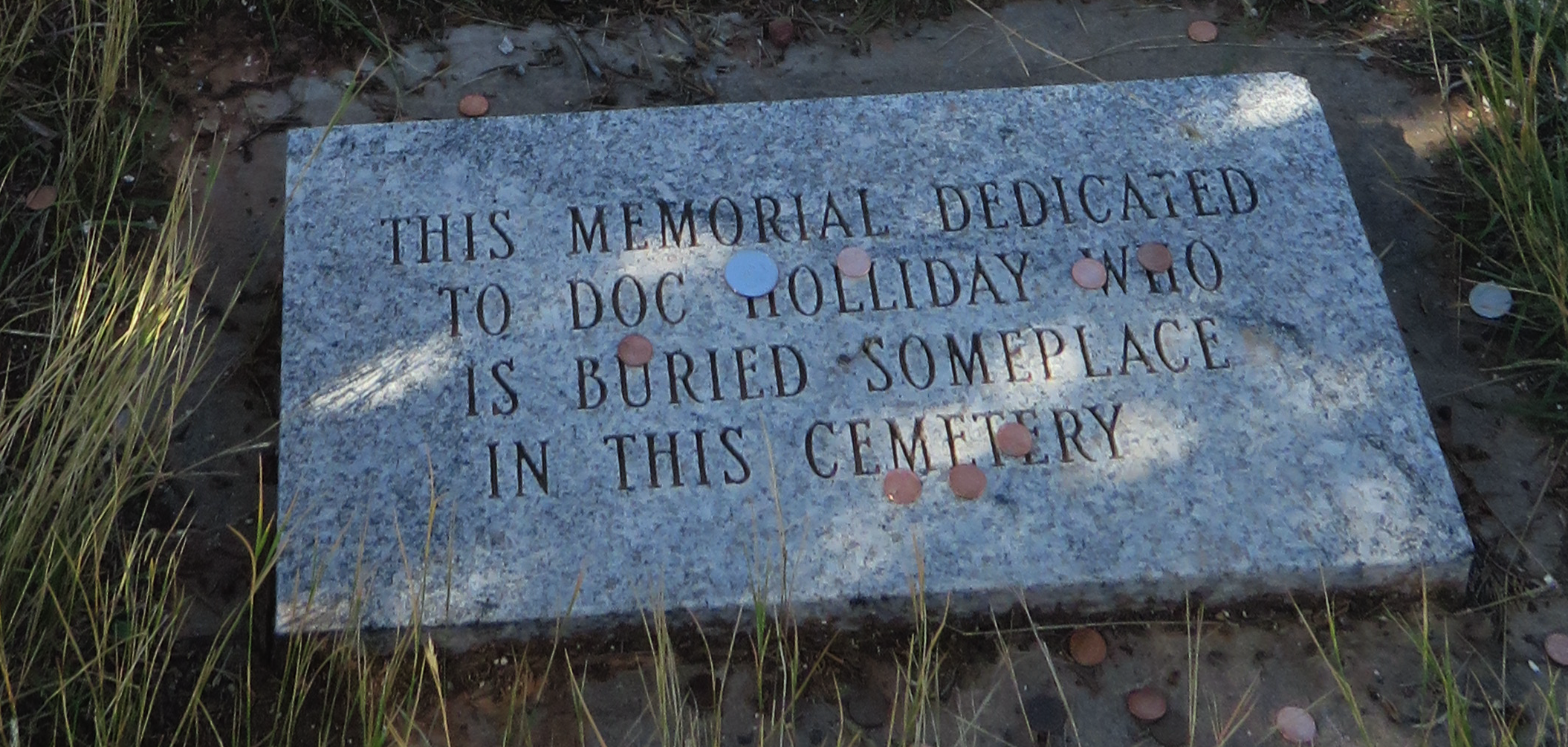
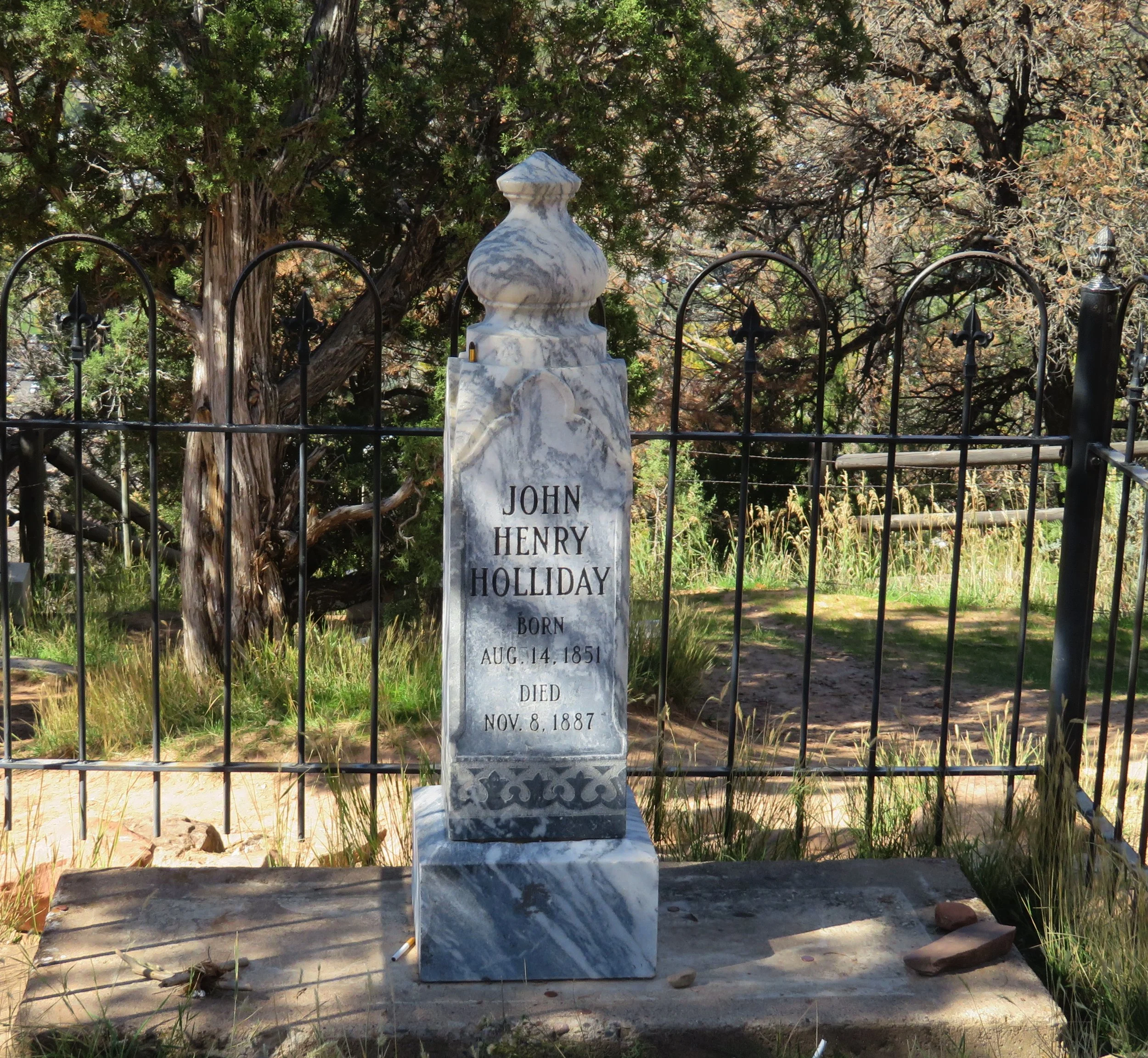
The Boothill Cemetery in Glenwood Springs, Colorado, reflects the town’s rough frontier beginnings in the early 1880s, when the area was rapidly growing around hot springs, railroads, and nearby mining activity. Perched on a hill overlooking the valley, Boot Hill became the final resting place for many of the town’s earliest residents—gunfighters, railroad workers, immigrants, and victims of accidents, disease, and occasional violence common to Western boomtown life.
The most famous resident of the cemetery is Doc Holliday, the gunslinging friend of Wyatt Earp. He died of tuberculosis and was buried in an unmarked grave there. Wyatt Earp said of his friend "Doc was a dentist whom necessity made a gambler; a gentleman whom disease had made a frontier vagabond; a philosopher whom life had made a caustic wit; a long, lean ash-blond fellow nearly dead with consumption, and at the same time the most skillful gambler and the nerviest, speediest, deadliest man with a six-gun I ever knew."
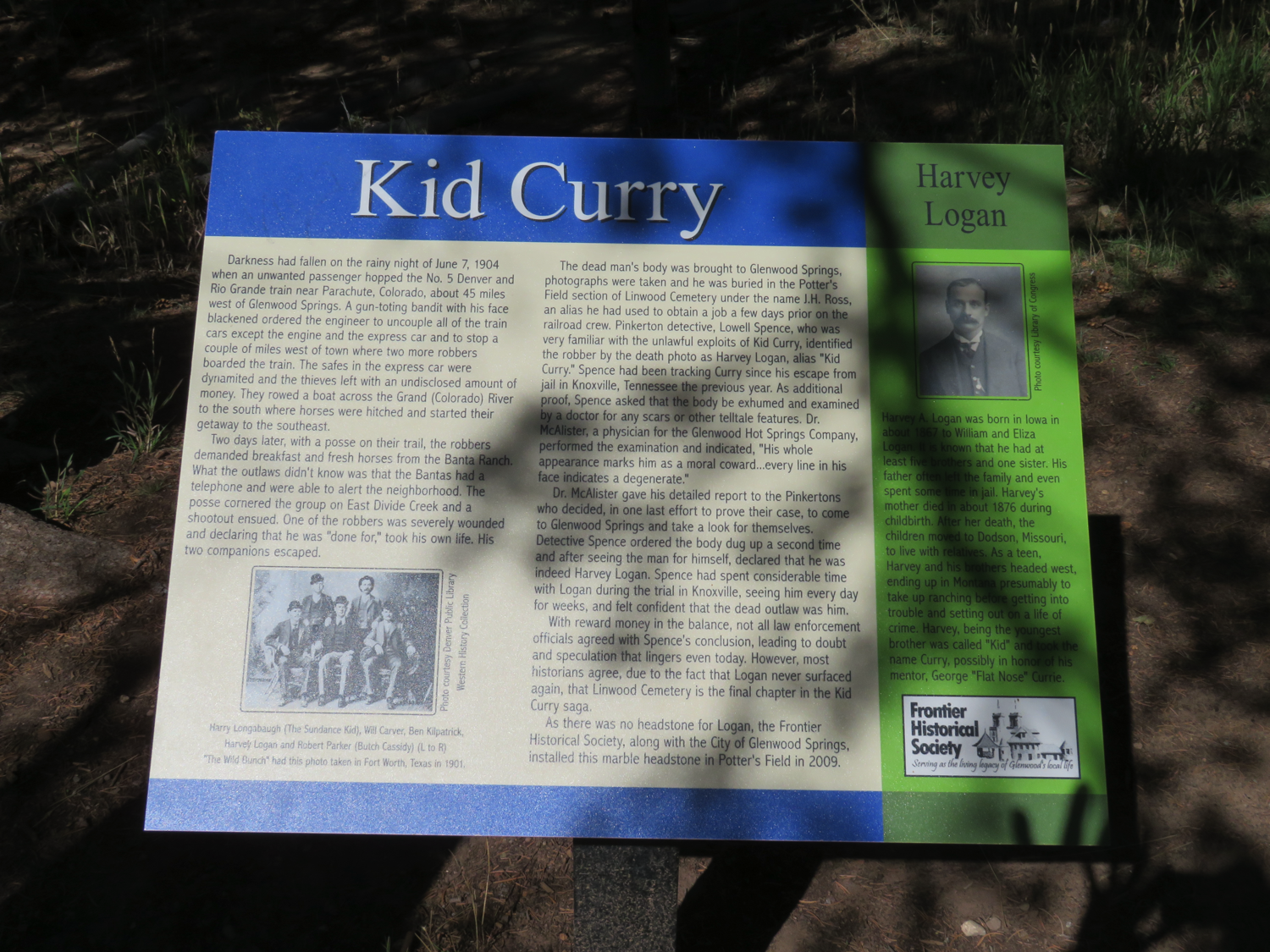
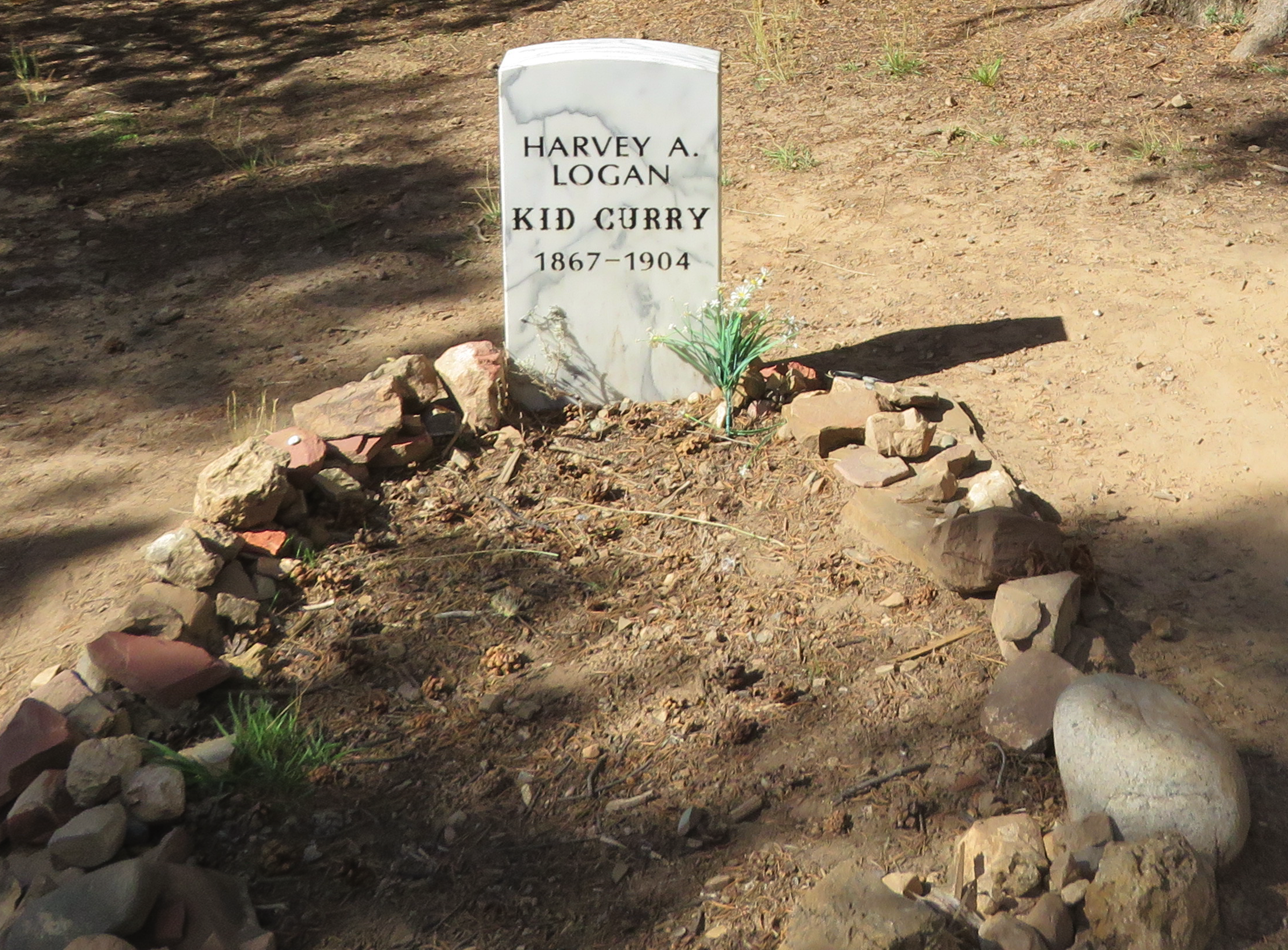
Another famous resident is Harvey Logan, aka Kid Curry, a train robber and member of the Sundance Kid’s gang.
Ogallala, Nebraska
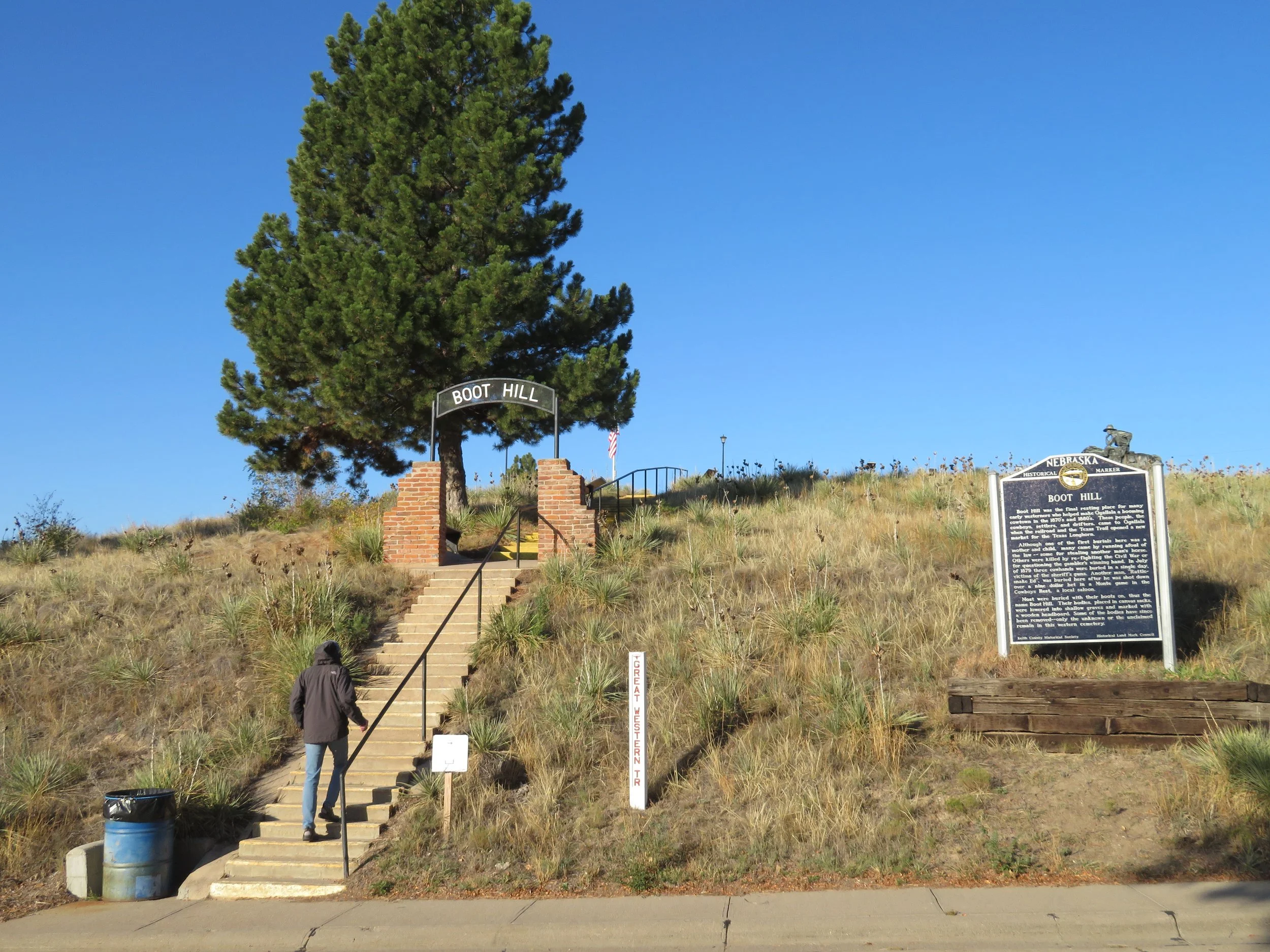
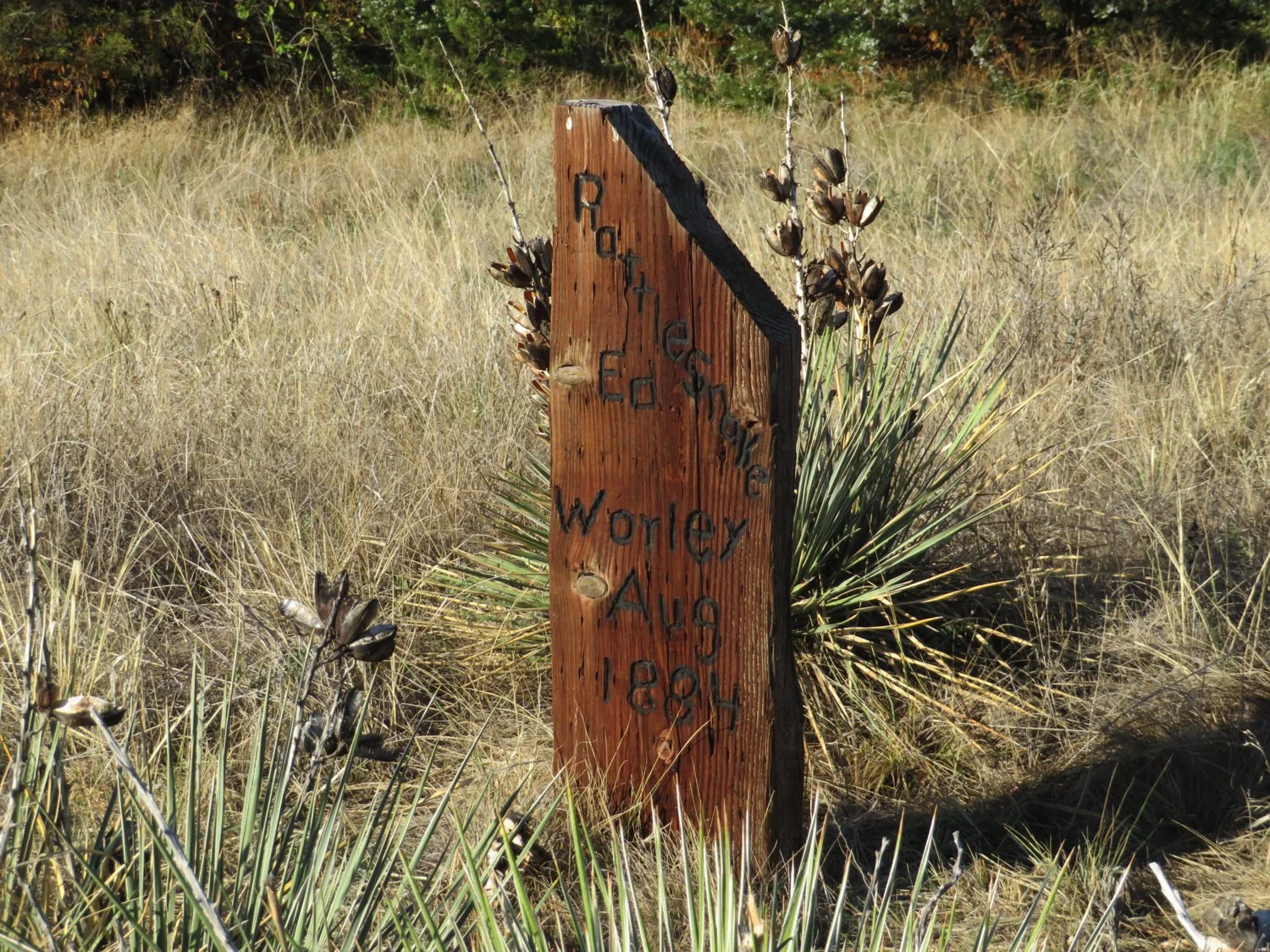
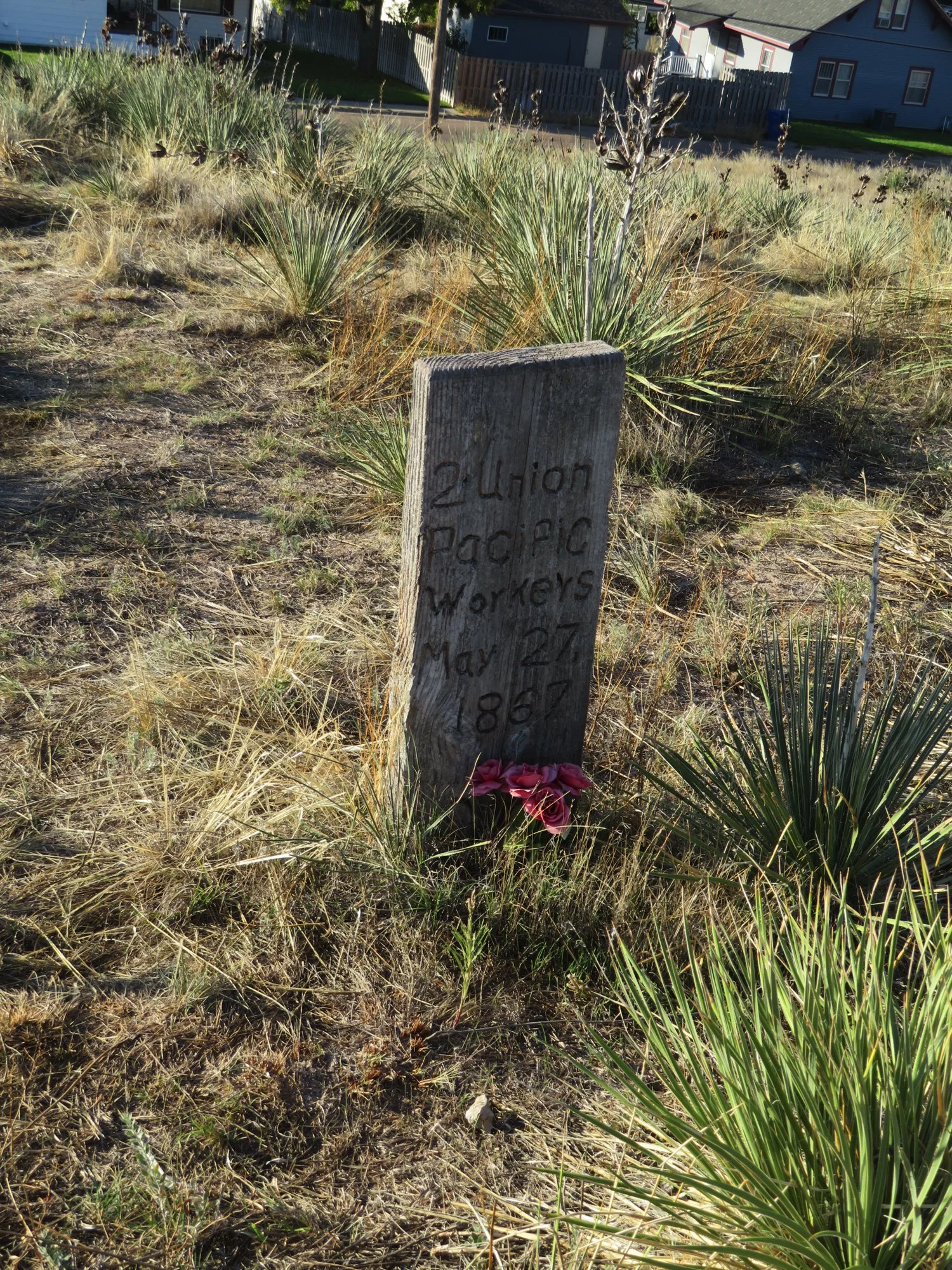
Like many other cowboy towns, Ogallala had its share of gunfights and bloodshed. One of the most famous shoot-outs occurred at the Crystal Palace Saloon. "Rattlesnake" Ed Worley lost all his money to a gambler named Lank Keyes in a game of three-card monte, and asked Keyes to loan him $9 to keep playing. When Keyes refused, Worley pulled a knife and rushed Keyes, who then pulled a revolver and shot old Rattlesnake. Another instance of the old adage "don't bring a knife to a gunfight".
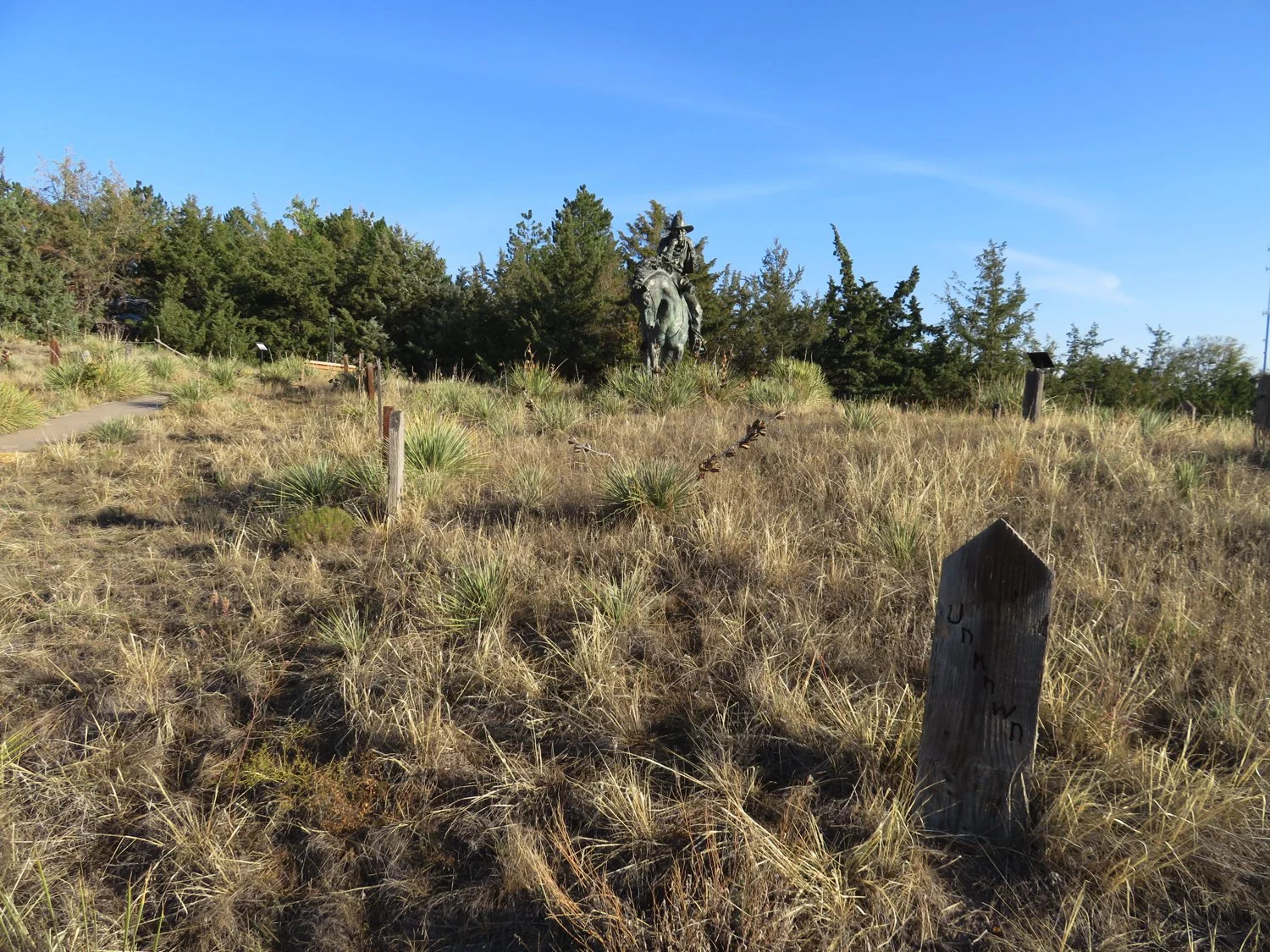
Here is his grave along with a few others:
Tonopah, Nevada
Tonopah, Nevada sprang to life in 1900 after prospector Jim Butler stumbled onto a rich silver strike while chasing a runaway burro, transforming a lonely stretch of high desert into one of the West’s last great mining boomtowns. Within a few years, Tonopah boasted banks, newspapers, electric lights, and even an opera house, as millions of dollars in silver poured from the surrounding hills and fueled rapid growth. Today, its well-preserved buildings, historic Mizpah Hotel, and nearby cemetery stand as reminders of a rough-and-tumble past shaped by luck, labor, and the unforgiving Nevada landscape.
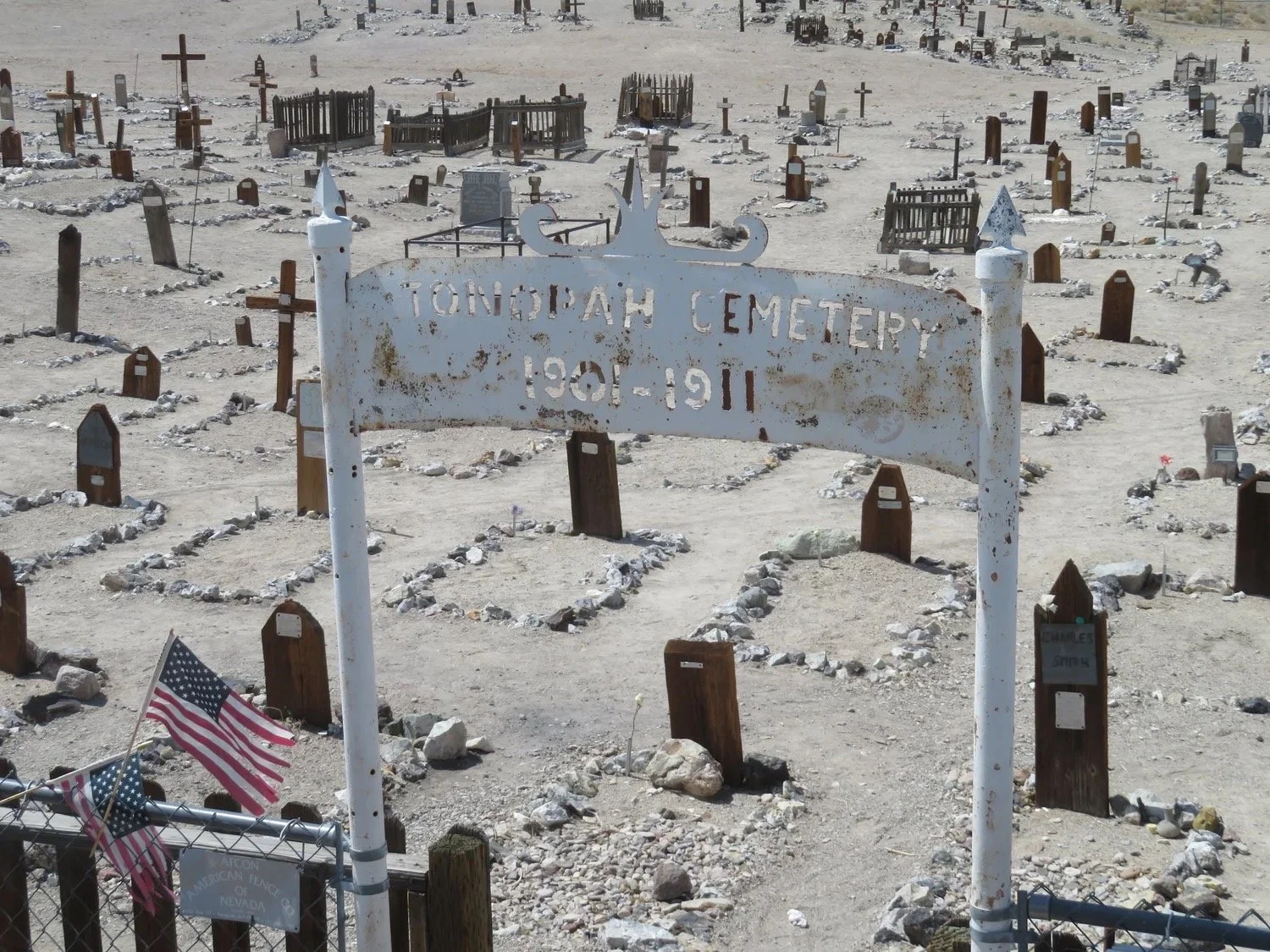
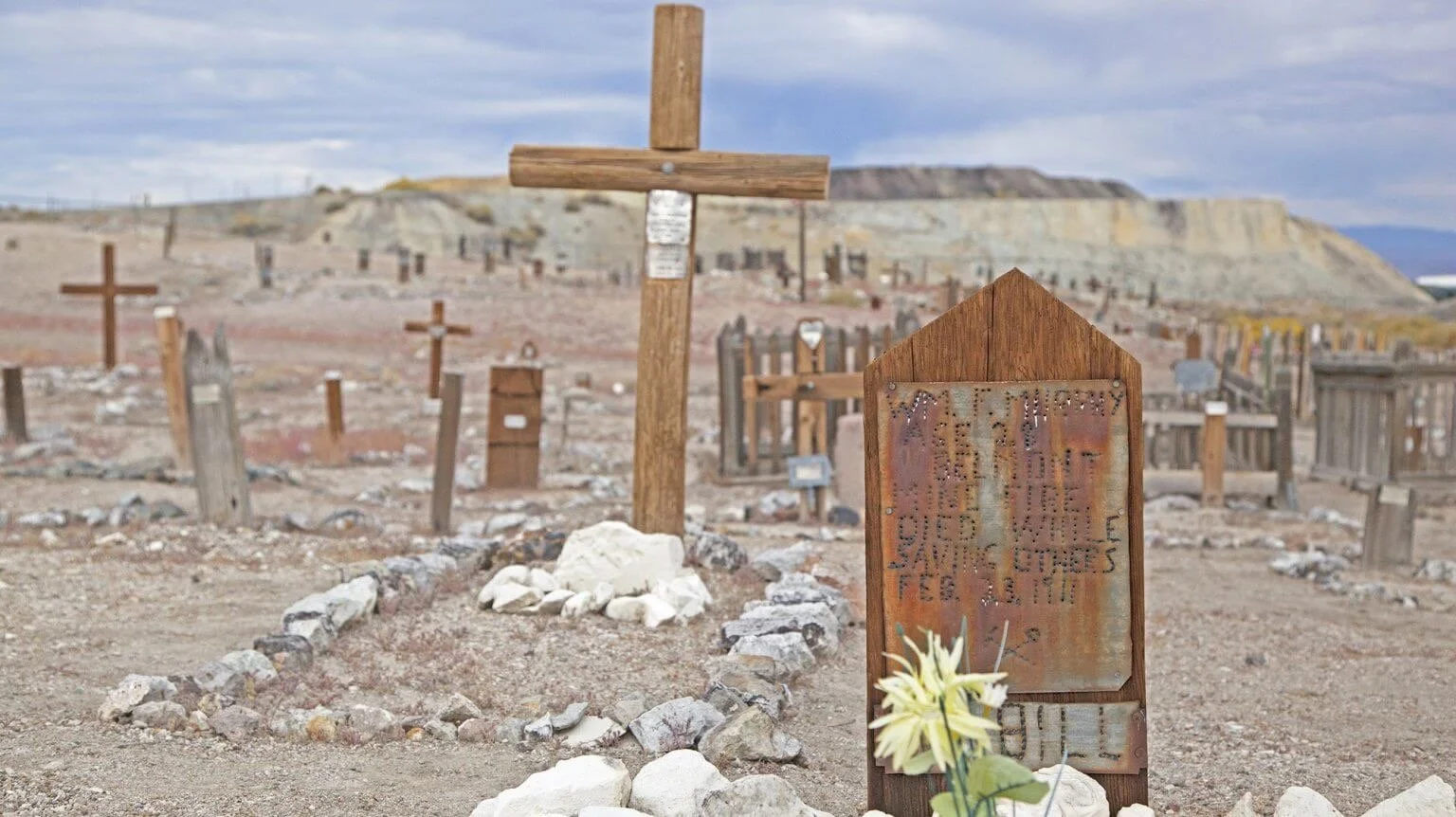
The historic cemetery is the final resting place for many fascinating individuals, but unlike other Boot Hills, the residents here more often died of mining accidents or illnesses. More than 300 graves are scattered around the grounds. Here are few notable figures as cited by the Tonopah visitor's guide:
George "Devil" Davis, Tonopah's first African American political leader and prankster, said to still play tricks at the Tonopah Liquor Company.
The Marojevich brothers, who tragically died in a mining accident at the Belmont Mine.
Big Bill Murphy, a local hero who lost his life rescuing others in the 1911 Belmont Mine Fire.
Tom Logan, a respected Tonopah sheriff, was killed outside a brothel in Manhattan, Nevada."
Other Epitaphs
Boot Hill epitaphs live in that fuzzy zone between history and frontier folklore—some are well-documented, others lovingly improved over time. Still, these are the ones most often recorded or attributed to Old West Boot Hill cemeteries:
“Here lies a miner
Found gold—then trouble.”
“Shot over a claim
Owned it briefly.”
“Here lies Frank Nolan
Bet against Wild Bill.”
“Died rich in gold
Poor in judgment.”
“Came west hopeful
Left horizontal.”
“Fast horse
Slow draw.”
“Here lies Tom Avery
Tried to strike it rich
Struck stone instead.”
“Here lies a prospector
Dug too deep—met neighbors.”
“Died looking for silver
Found lead.”
And my favorite:
“Froze in winter
Cooked in summer
Shot in between.”
See you next week…