
An Afternoon of Bluegrass Music
/
“ It’s blues and jazz, and it has a high lonesome sound. ”
Bluegrass music is a very distinct music genre from country/western. My mom and dad both played guitar. Most of their friends played guitars, and several played fiddles, mandolins, and/or banjos. They didn’t have much, but they all had their instruments and cherished them. It wasn’t unusual for them to get together on Saturday nights after a long blue-collar workman’s week to play music and sing. As a little girl, I fell asleep many a Saturday night nestled beneath guests’ coats tossed on a bed, listening to the strumming, plucking, picking, and bowing of familiar old songs. Some were country/western… Hank Snow, Webb Pierce, Hank Williams, Kitty Wells, and Patsy Cline, but others were distinctly Bluegrass… Earl Scruggs, Lester Flatt, and Ricky Skaggs. So when I saw the ad for a Bluegrass Festival this past weekend in Henderson, I put it on the calendar.
Originating in the 1940s in Appalachia, Bluegrass music relies primarily on stringed instruments… acoustic guitar, banjo, mandolin, bass, and fiddle are the basic five, with a few extras sometimes thrown in like dobros, autoharp, and dulcimers. From AI, I learned, “Bluegrass developed in Kentucky and East Tennessee, rooted in old-time Appalachian string-band music brought by Scottish, Irish, and English settlers, combined with African American blues, gospel, and jazz elements. It was formalized by Bill Monroe and the Blue Grass Boys, whose 1939–40 performances on the Grand Ole Opry set the standard for the genre’s driving rhythm and ‘high lonesome’ vocal style.”
Beyond the usual musical themes of lost loves and relationships gone wrong, Bluegrass themes tend to revolve around the impoverished, pick-and-shovel daily existence of people living and working and trying to eke out a life in Appalachia, while still finding joy in family, community, and music. Certainly coal mining, its effects on the land and its people, as well as railroad themes are also prevalent. Remember, ‘Dueling Banjos’ from the movie ‘Deliverance’? That’s a bluegrass instrumental “composition by American musician Arthur ‘Guitar Boogie’ Smith, composed in 1954, which he named ‘Feudin’ Banjos’” according to Wiki.
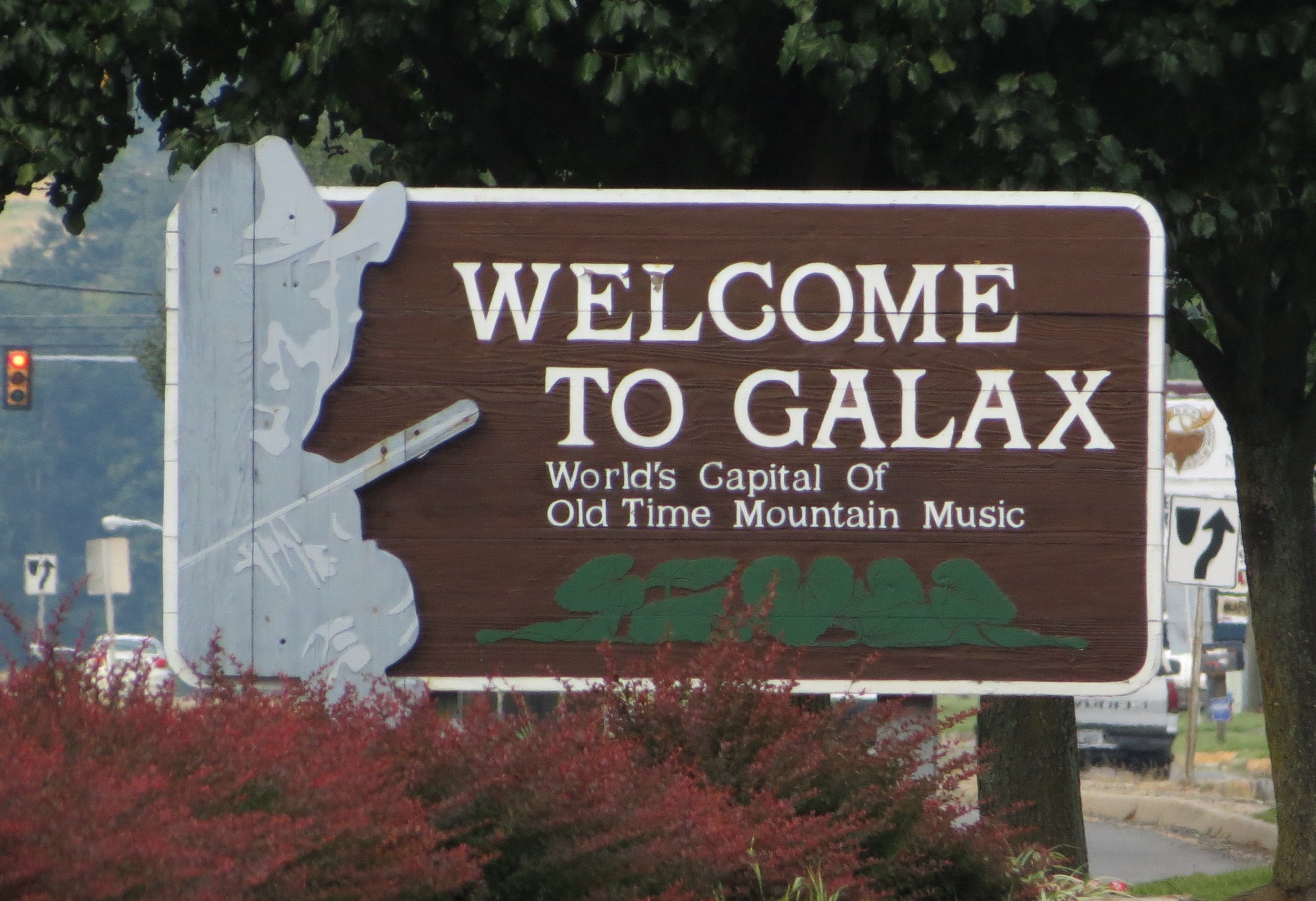
Back in 2012, on one of our cross-country road trips when visiting the States from wherever "Nine of Cups happened to be, we stopped in the little town of Galax, Virginia, where, coincidentally, the Old Fiddler’s Convention, the world’s oldest and largest traditional fiddler’s event, was holding its annual celebration of Appalachian and old-time mountain music. We spent the evening watching the competitions, but were most fascinated by a disparate group of musicians who just started jamming in the middle of the parking lot. Fiddles, mandolins, banjos, guitars, and bass all joined in for a spontaneous explosion of wonderful music. Musicians wandered in and then left, replaced by others who picked up the tune without a hitch. People danced and clapped and sang. For nearly two hours, we stood, watched, and listened.
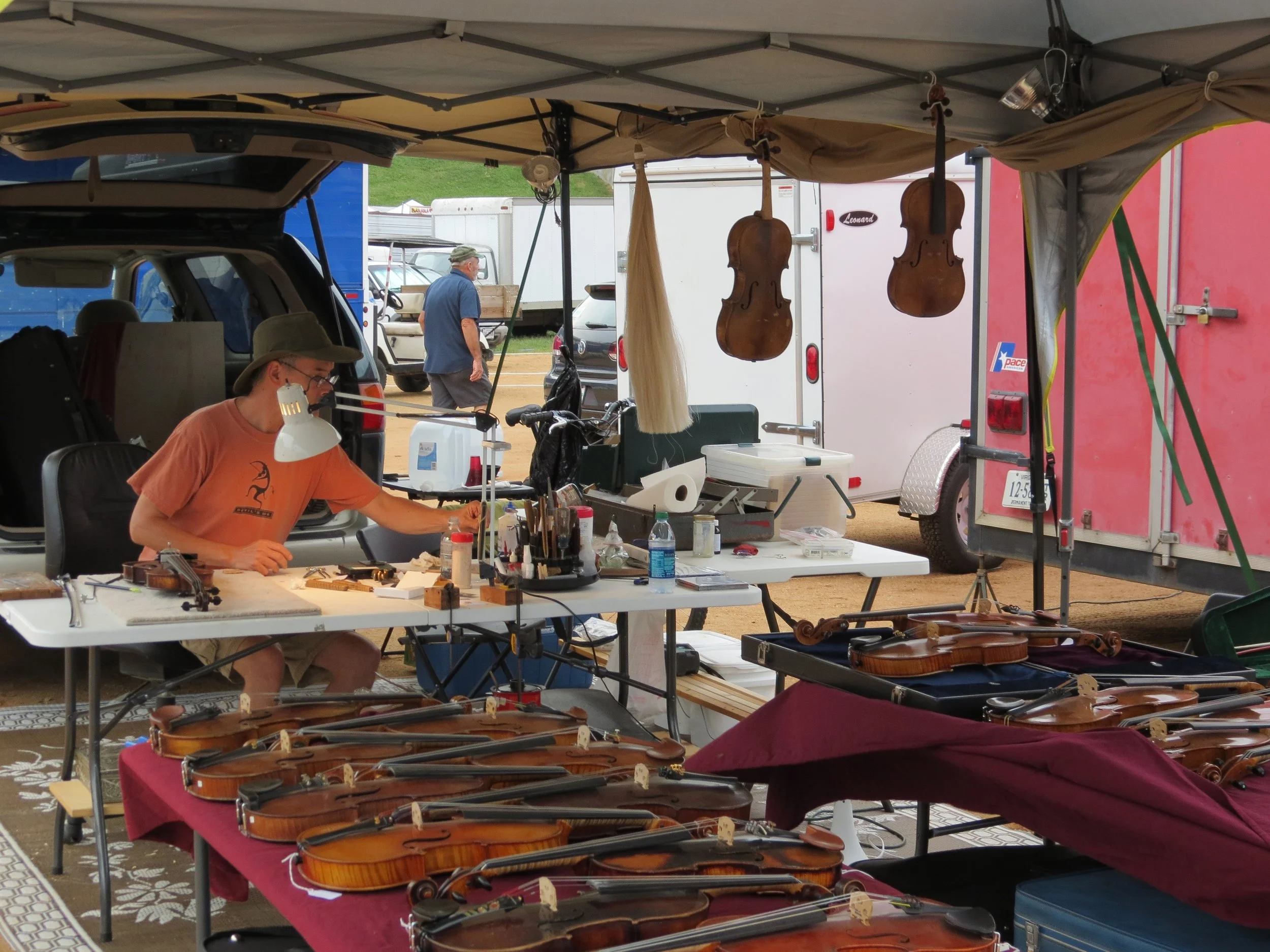
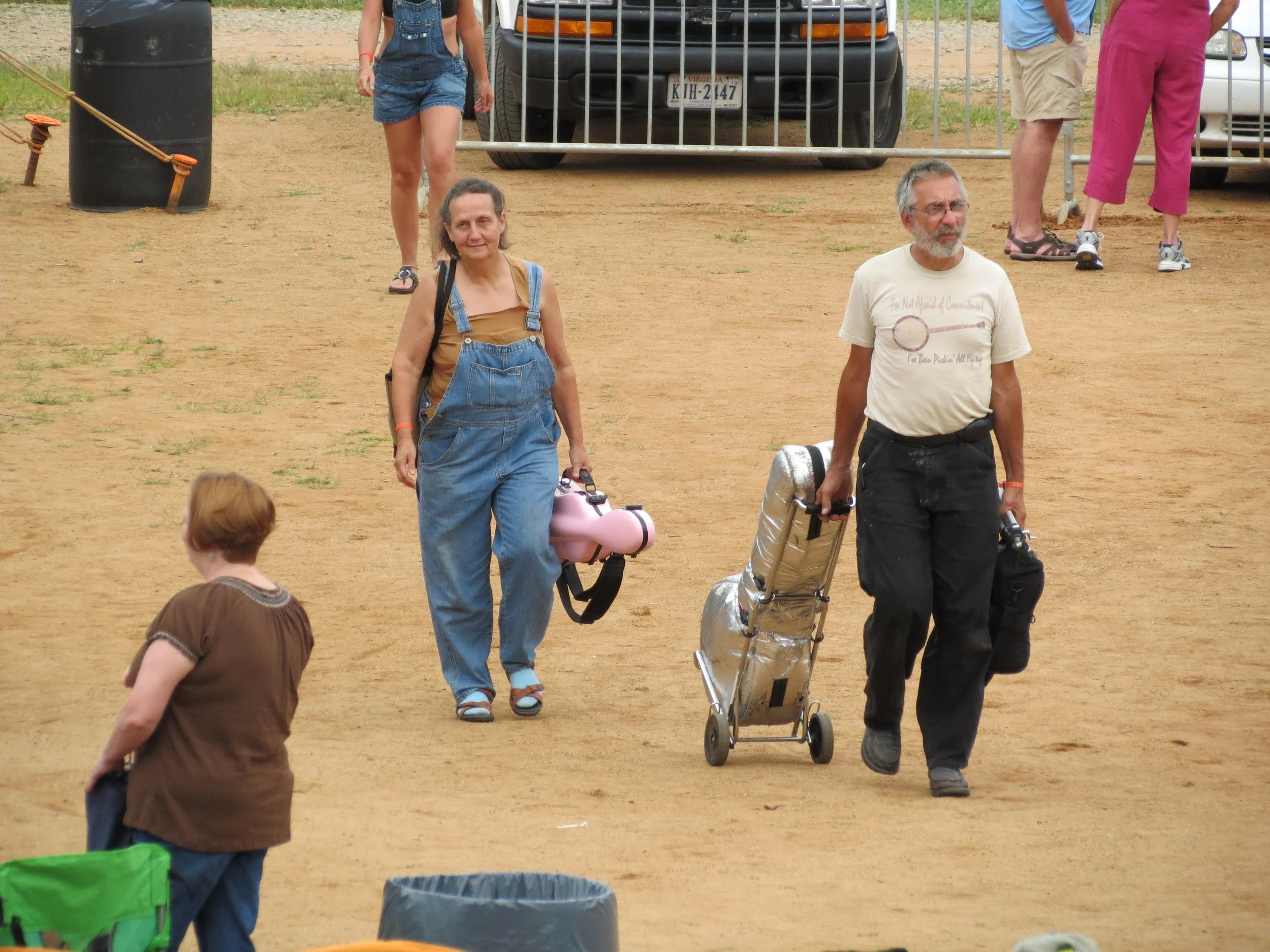
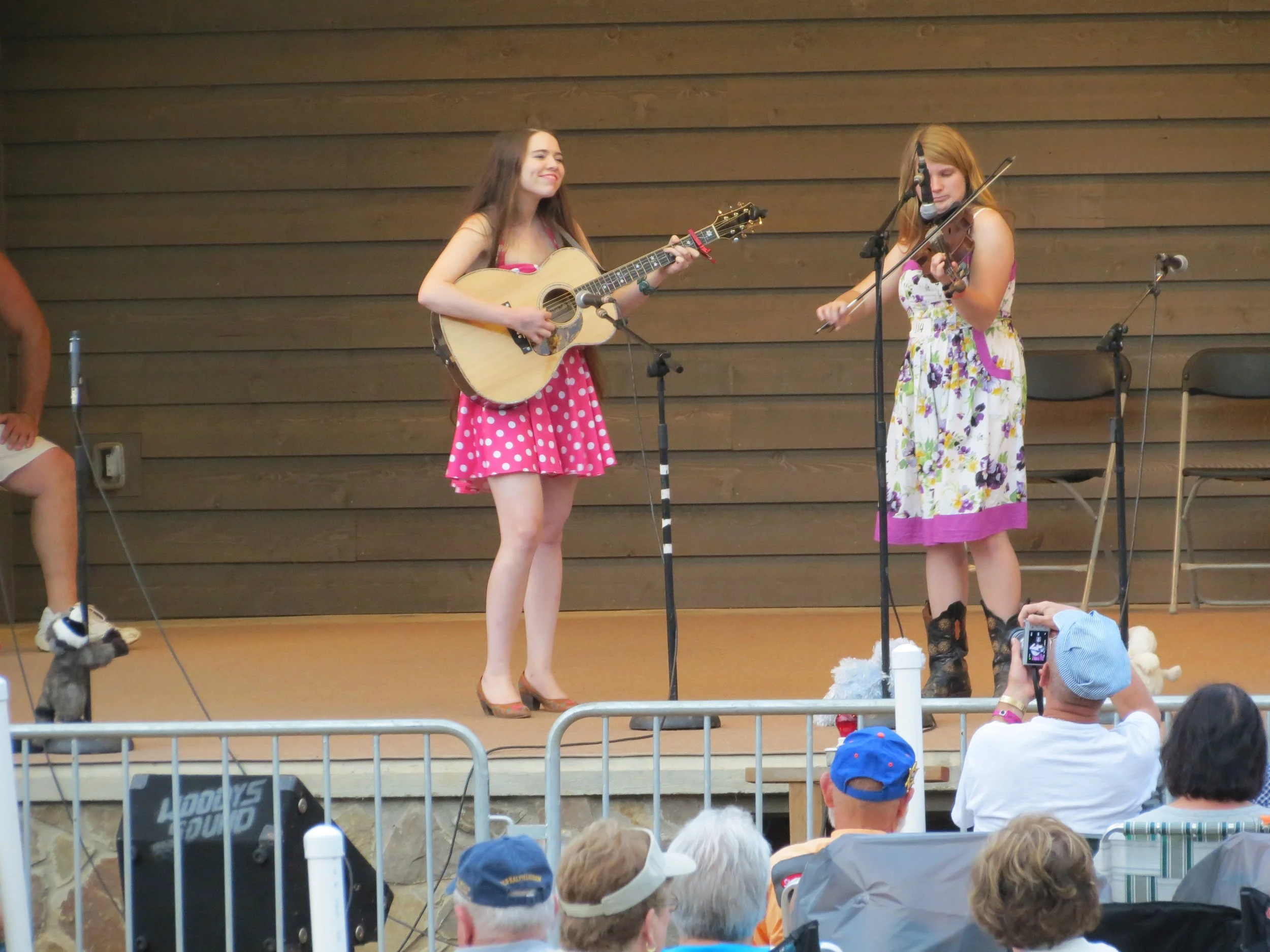
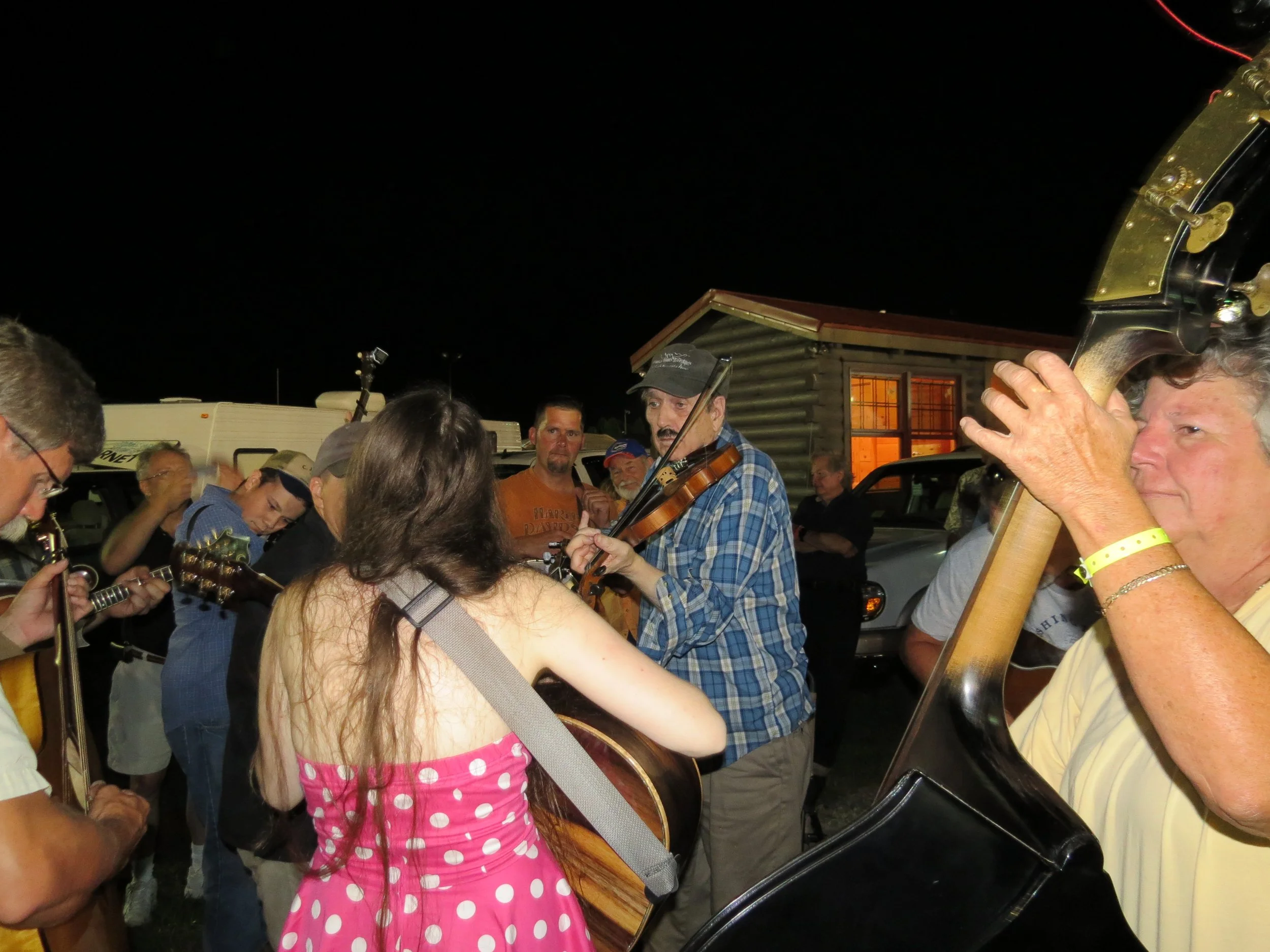
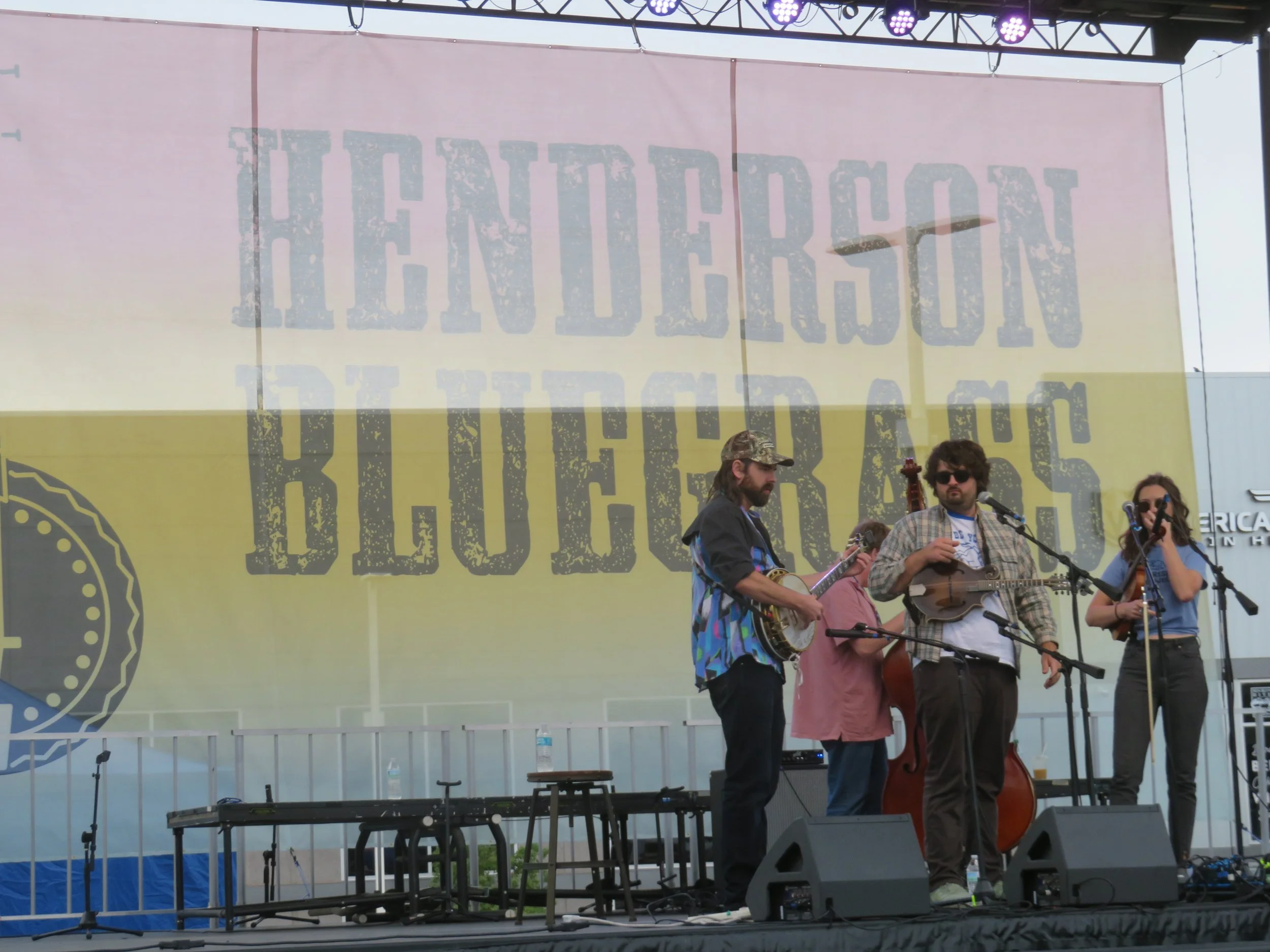
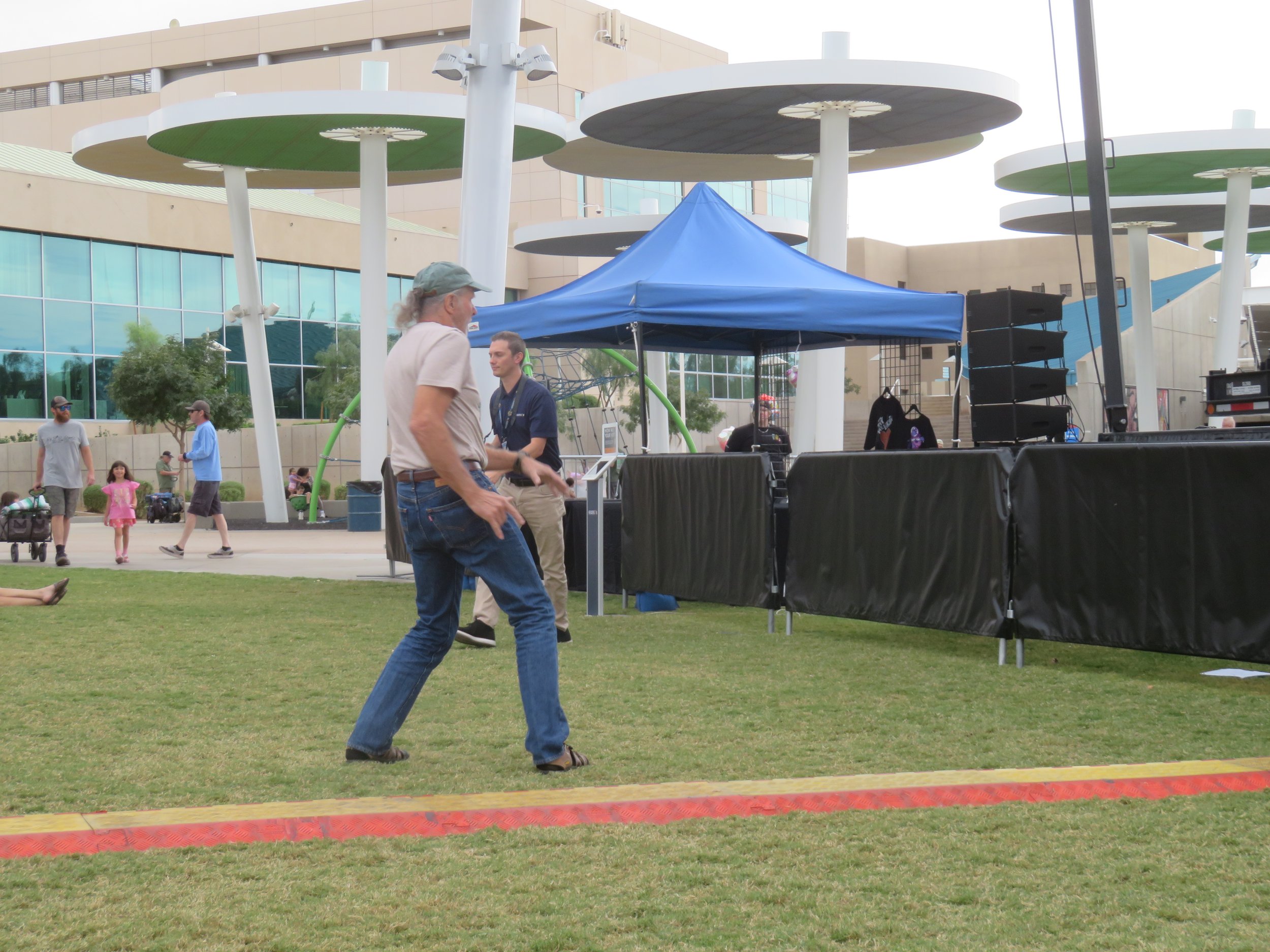
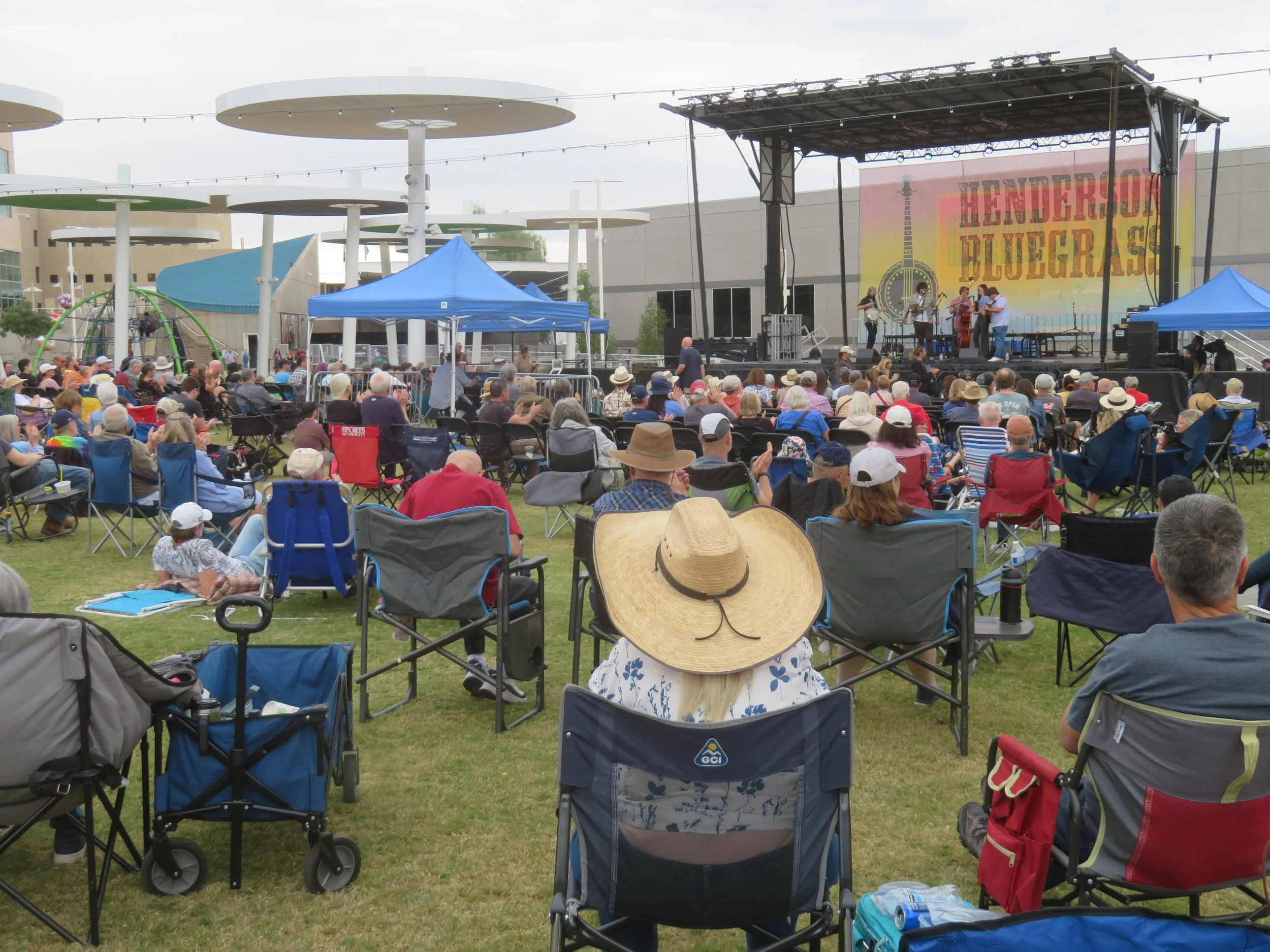
It was a cool, gray day as we walked up Water Street to the festival venue. The Henderson festival was small, and the program was limited, but the bands were extremely talented, and the audience was enthusiastic. Folks tapped their feet and clapped to the music. Some folks danced. The crowd whooped and hollered in appreciation as each tune ended. The music we heard was more modern than we were expecting, with fewer traditional tunes and more new compositions, even a bit of rap (we called it blue-rap with a little grass thrown in), but nonetheless enjoyable.
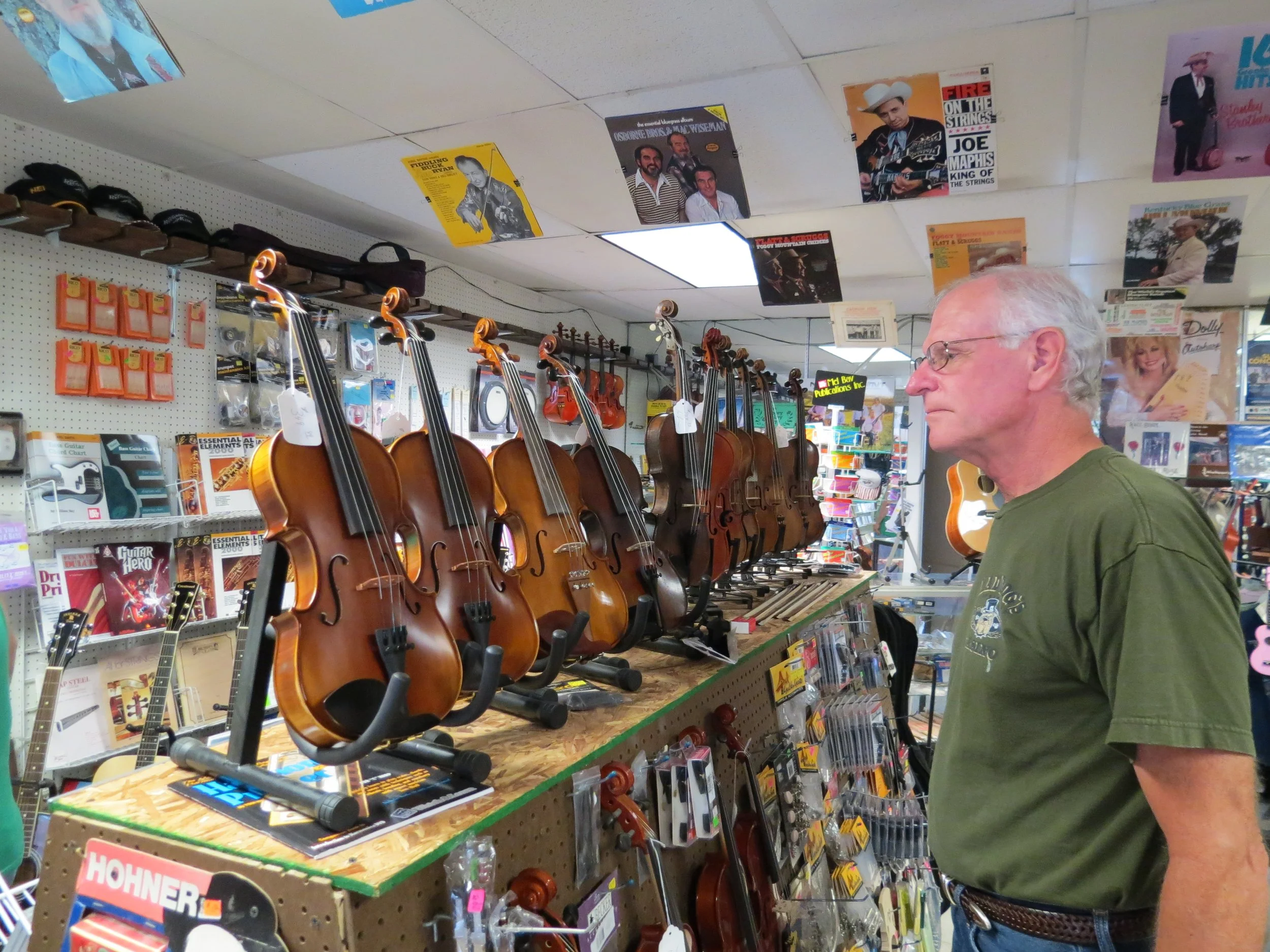
So, inquiring minds wanted to know: Is a fiddle the same instrument as a violin, or is it different? I thought it was the same. David thought maybe not. Turns out, it’s the same instrument. According to the Yamaha music website. “... there is no significant physical difference between the instruments. Rather, what demarcates the two is mostly the music being played and the musical approach being taken. When playing folk, country, or bluegrass, for example, the instrument is understood to be a fiddle, but when playing classical music, it’s a violin.” Now we know… and so do you.