
The Scallop Shell - Symbol of the Camino
/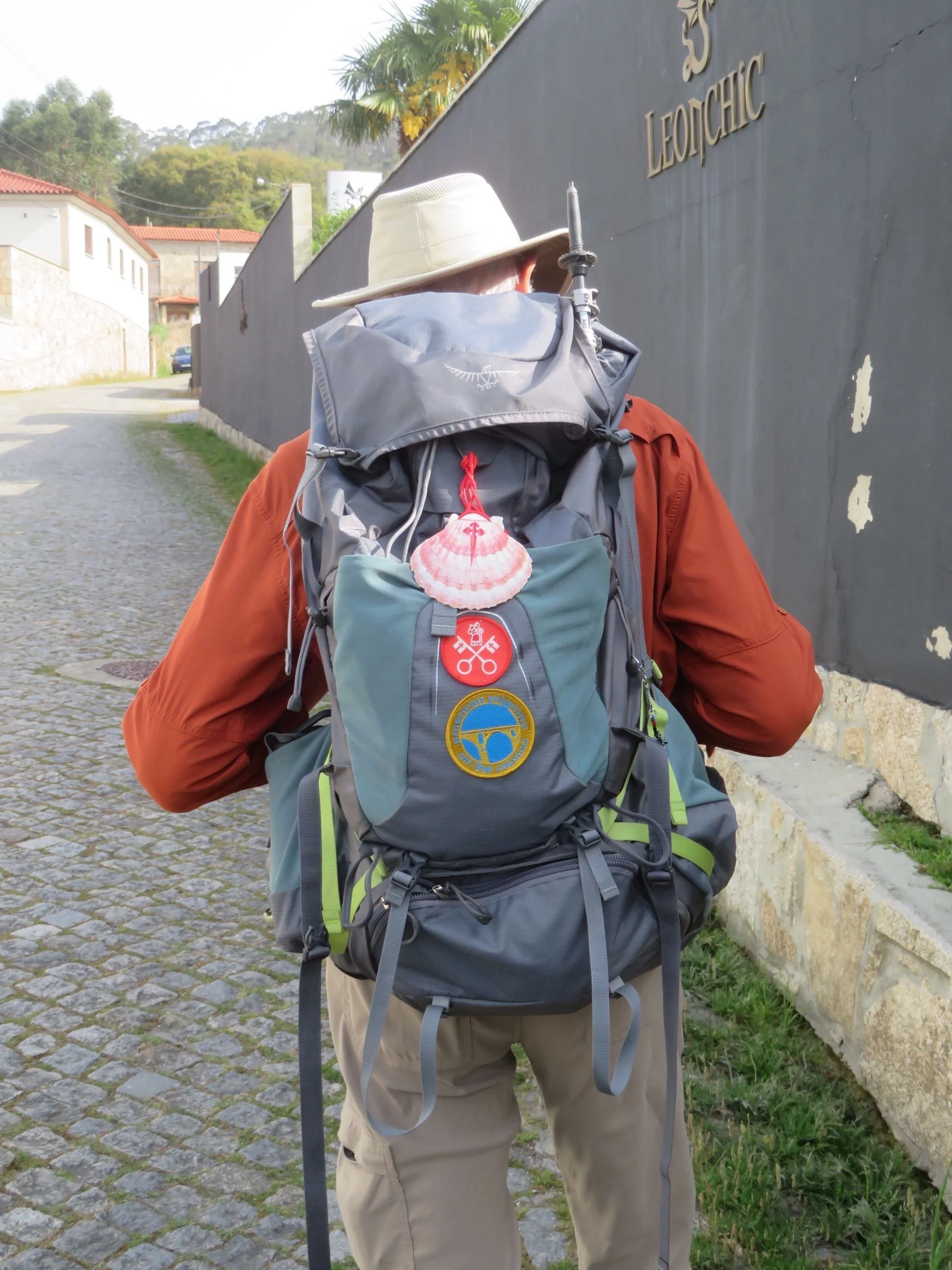
The scallop shell is the enduring symbol of the Camino de Santiago, appearing everywhere along the route—painted on signs, embedded in pathways, and worn by pilgrims themselves. In Spanish, the physical shell is called concha de vieira, or, in the context of the Camino, simply vieira or concha de peregrino—the pilgrim’s shell.
Its rise as the emblem of the Camino is not tied to a single origin story, but rather to a blend of practical use, cultural tradition, and spiritual symbolism that has evolved over centuries. Here’s its interesting story:
A practical pilgrim tool
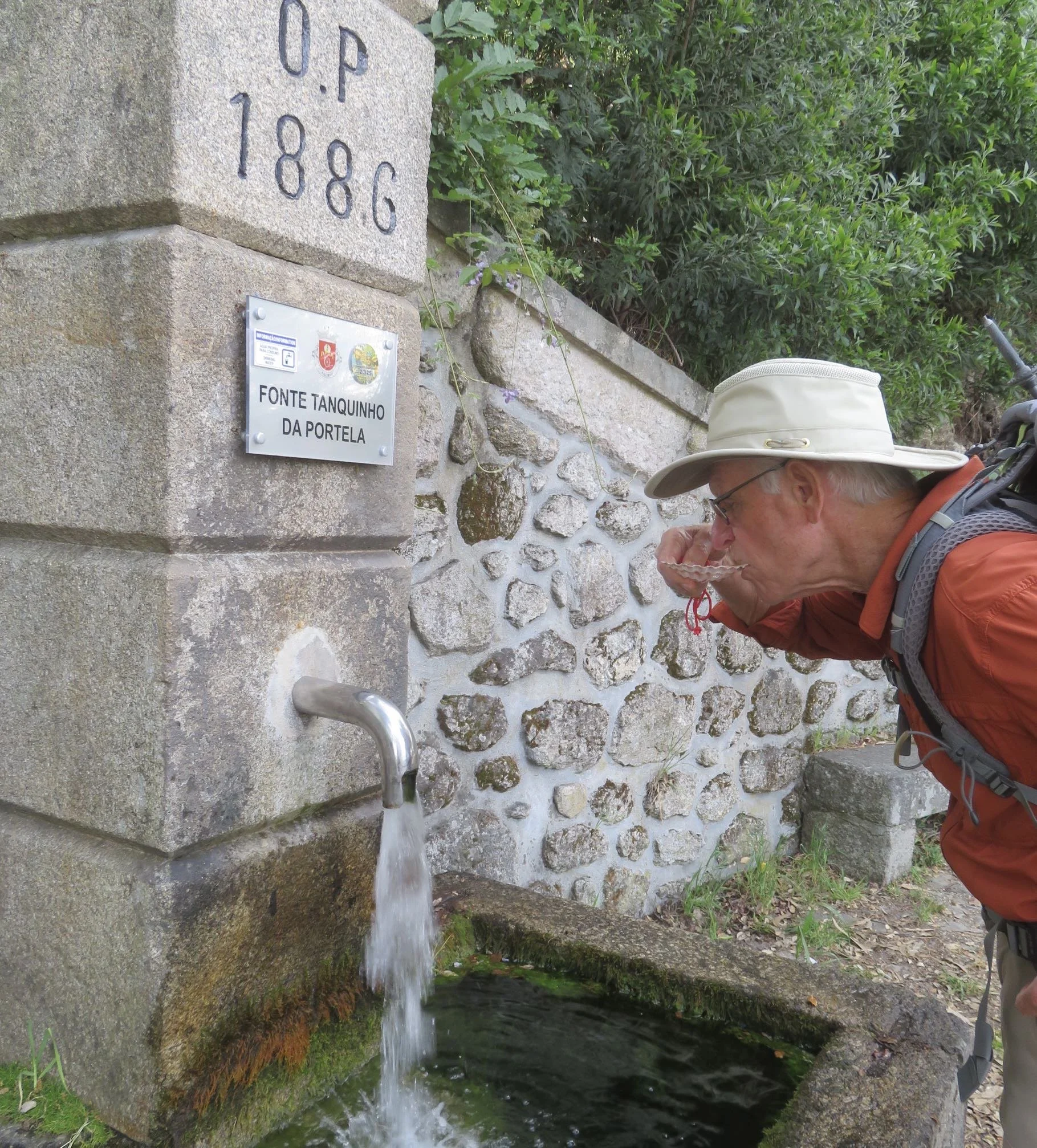
In medieval times, pilgrims traveling to Santiago de Compostela Cathedral often carried a real scallop shell. It worked as a simple, durable “multi-tool”. They used it to drink water from streams or beg for food. Over time, wearing the shell showed others that you were a pilgrim and merited hospitality.
Proof of completion
Once pilgrims reached Santiago (near the Atlantic coast in Galicia, Spain), they could collect a scallop shell as evidence they had completed the journey. In a time without certificates or passports, the shell became a kind of medieval “stamp” of authenticity.
A unifying symbol of routes
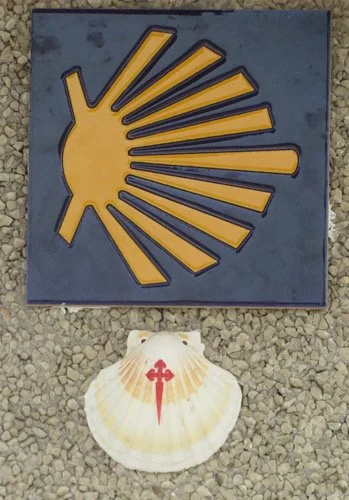
All the different pilgrimage routes across Europe eventually converge toward Santiago. The scallop shell’s ridges, which spread inward and meet at one point, became a powerful visual metaphor for this—many paths, one destination.
Religious symbolism
The shell also took on spiritual meaning. In Christian tradition, it’s associated with baptism (holding water) and with the idea of rebirth and purification—fitting themes for a long, reflective pilgrimage.
Legends and tradition
In medieval tradition, after Saint James was martyred in Jerusalem, his disciples are said to have carried his body by boat to the northwest coast of Spain. In local legend, a Portuguese (sometimes Galician) knight was riding along the shore on horseback as the ship bearing the saint’s remains passed by. Suddenly, horse and rider were swept into the ocean by a large wave. It seemed certain they would drown. Instead, they re-emerged alive, unharmed, and—most strikingly—covered in scallop shells from head to toe. This miraculous rescue was taken as a sign of Saint James’s protective power and cemented the scallop shell as his emblem.
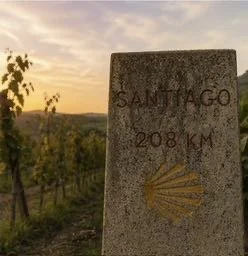
So the shell represents unity, faith, and the convergence of life’s paths, and also, occasionally, a slightly impractical bowl that spills water all over your shoes. Or—when that next very long, very steep hill presents itself in front of you—it represents a very good excuse to stop walking and stare thoughtfully at the shell while pretending you’re having a profound, introspective moment.