

Our Search for the Right EV—Redux
/
Three years ago, I wrote a series of blogs trying to determine which EV would be the best fit for us. I spent far too much time evaluating just about every electric vehicle on the market. Our criteria, however, were a bit different from what Car and Driver or Road & Track considered important. We thought range and comfort mattered far more than shaving a second off the 0-to-60 time, and rear-seat legroom was considerably more important than how spiffy the wheel covers were.
Back then, my conclusion was that the best EV for bopping around town was the Chevy Bolt. It was reasonably priced (around $27,000 nicely equipped, as they say), offered a respectable 247-mile range, included plenty of desirable features, and came with the latest safety technology. We found it surprisingly comfortable to drive. Its biggest drawback was its slow charging speed—about an hour to go from 10% to 80%—making it a tough sell if long road trips were part of the plan.
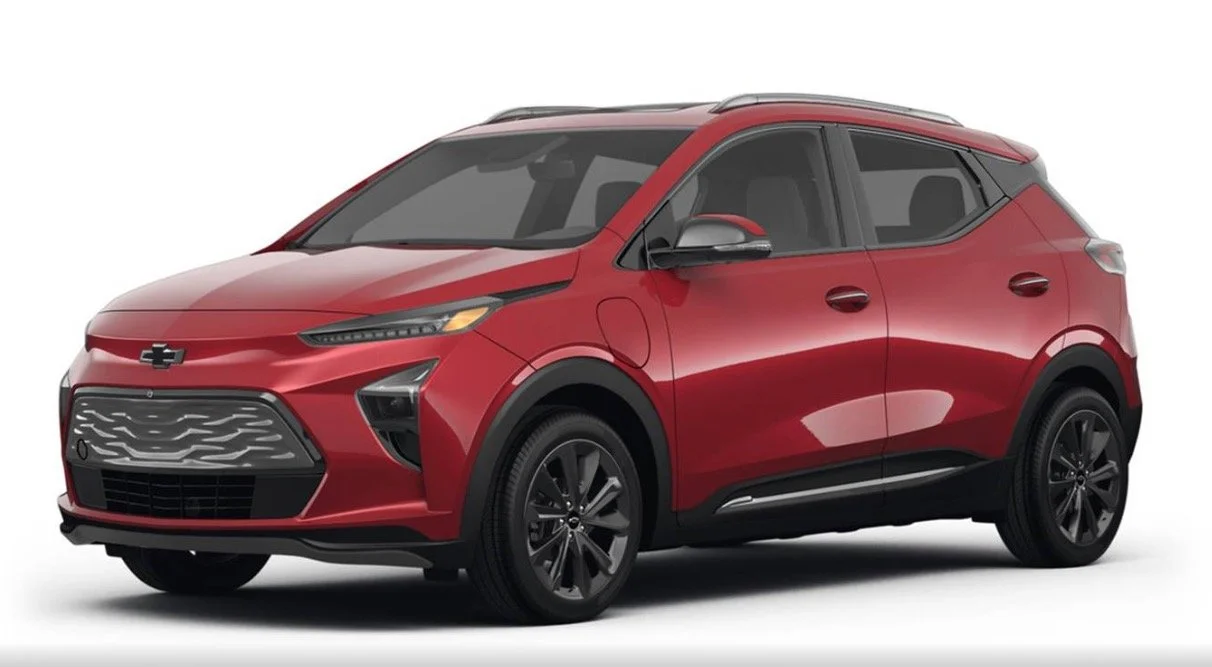
2023 Chevy Bolt
Our overall winner, however, was the Hyundai Ioniq 5.
It was—and still is—an impressive car. It offered a 344-mile range along with an exceptionally fast charging rate, needing only about 18 minutes to recharge from 10% to 80%. That made it one of the few EVs we'd actually be happy to take on extended road trips.
The Ioniq 5 also featured dual 12.3-inch displays—one handling navigation, climate control, and the car's many functions, while the other served as the driver's instrument panel. Hyundai clearly put a great deal of thought into the design, and there wasn't much to criticize. It was comfortable, roomy, enjoyable to drive, packed with safety features, and wrapped in a futuristic design that still looks fresh today.
Hyundai also offered one of the best warranties in the industry: a 5-year/60,000-mile bumper-to-bumper warranty and a 10-year/100,000-mile warranty on the drivetrain and battery. Only the more expensive Kia EV6 offered anything comparable. And while the Ioniq 5 didn't qualify for the $7,500 federal tax credit at the time, Hyundai and its dealers were offering some very attractive incentives that helped make up the difference.
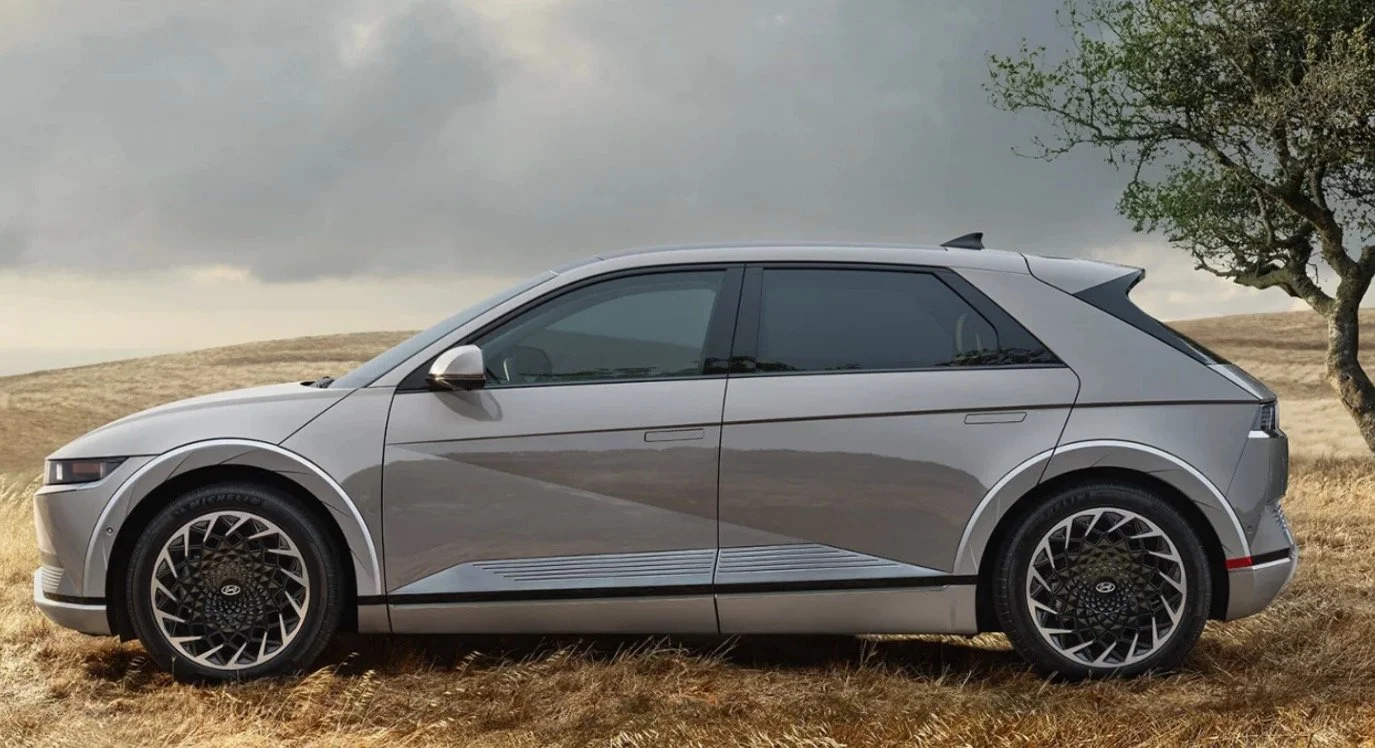
2023 hyundai Ioniq 5
We fully intended to buy an EV that summer. But in the end, we decided to wait. We convinced ourselves that we really didn't need a second vehicle. Blanche, our Promaster camper van, handled everything from grocery runs around town to cross-country camping adventures just fine.
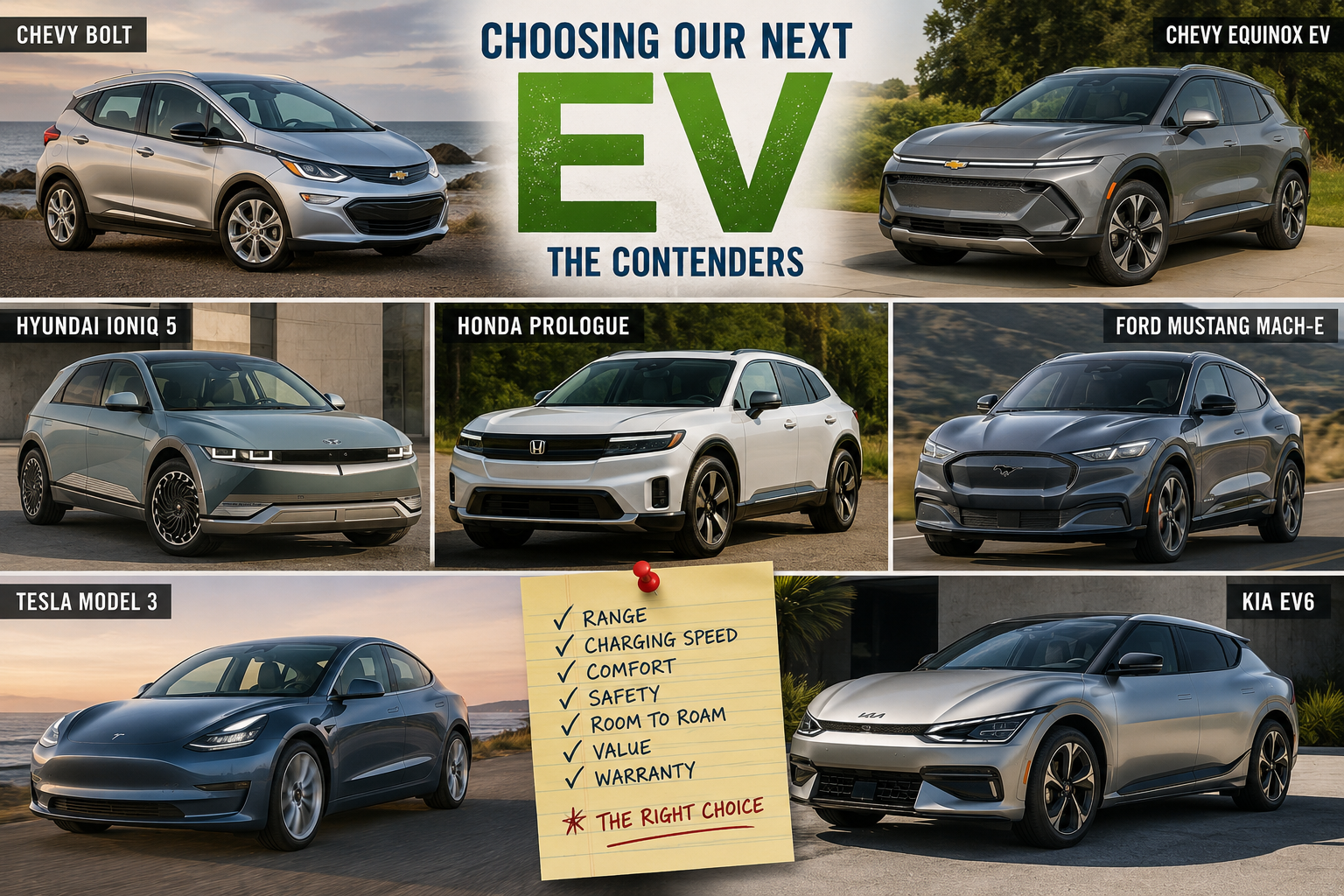
Here we are in 2026, once again shopping for an EV. This time there were several new contenders, including the Chevy Equinox EV and the Honda Prologue, along with updated versions of familiar favorites like the Chevy Bolt, Hyundai Ioniq 5, Ford Mustang Mach-E, Tesla Model 3, and Kia EV6.
After another round of test drives and comparisons, the field was surprisingly close. Most offered similar comfort, technology, safety features, and driving range.
So which one did we choose?
In the end, we came to exactly the same conclusion we had three years earlier. The Hyundai Ioniq 5 still offered the best combination of range, charging speed, comfort, spaciousness, and that outstanding warranty. It also didn't hurt that we both still liked its styling.
What finally sealed the deal, though, were the incentives. We purchased the SEL model for about $10,000 below MSRP, and the dealer even threw in a Level 2 home charger.
Now that's a deal.
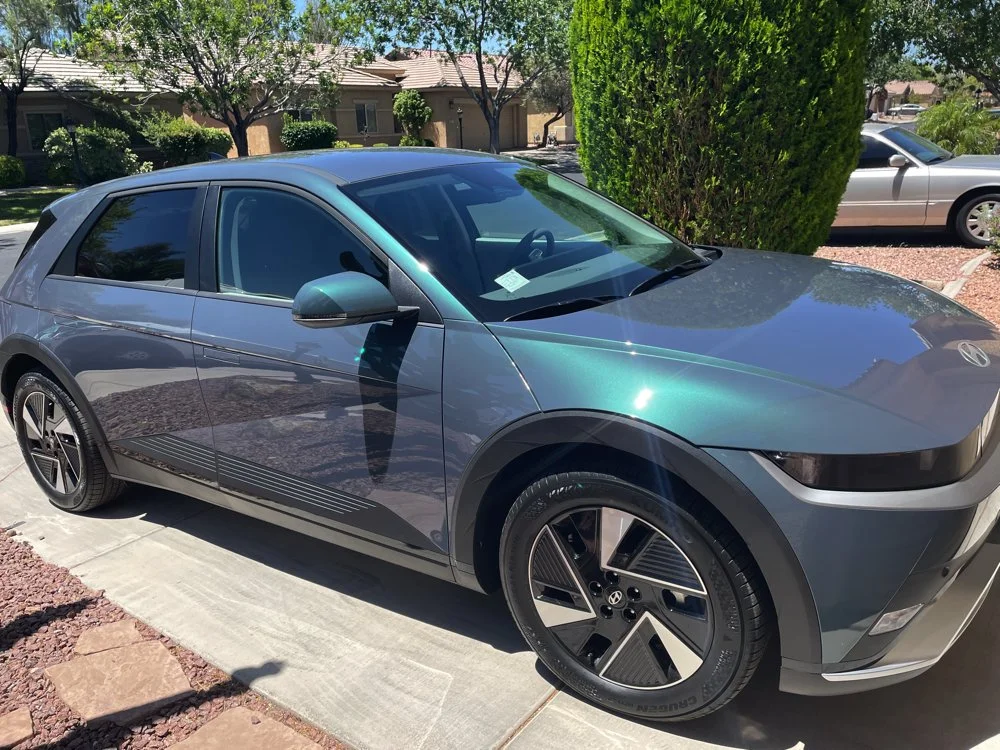
Our new Ioniq 5
By the way, this is the first brand-new car I've ever owned.
Having inherited the genetic thriftiness of a Scotsman, I've always preferred letting someone else absorb that painful first-year depreciation. Every vehicle I've ever owned has been used. But with the generous incentives, a brand-new 2026 Ioniq 5 cost about the same as a lightly used 2025 model. For once, buying new actually made financial sense, so I reluctantly abandoned one of my longest-standing rules.
As I was contemplating this blog, Marcie asked about my very first car.
It was a seventeen-year-old 1947 Mercury, and it remains one of my favorites. I paid $35 for it—about a week's wages from my job at Dairy Queen.
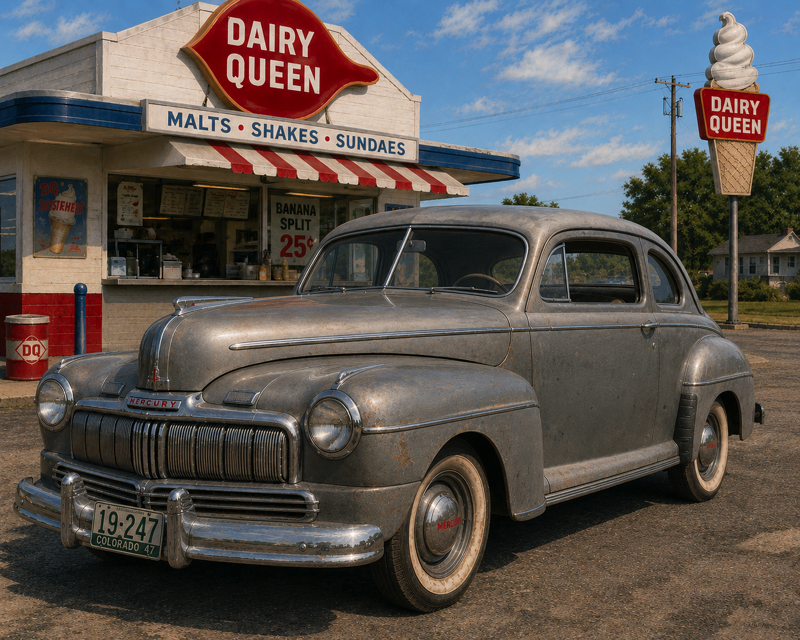
Its list of safety features was refreshingly brief: brakes and a horn.
Seat belts? Those were still a few years in the future.