7 Things to Consider Before You Sail Off into the Sunset

If you've never lived on a boat before and you're dreaming of sailing off into the sunset, you might want to consider the realities of living on a boat full-time. There are definitely pros and cons. For us, the pros far outweigh the cons, but everyone's different. Here's just a few of things you might want to consider seriously. None of these are show stoppers … just considerations.  

7 things to consider before sailing off into the sunset


1. Land anchors and obligations.

If you have a house, lots of property or lots of “stuff”, it's sometimes hard to part with it and other times difficult to get rid of it. You can sell your land stuff including cars and house, but what if you don't like living on a boat? Can you get back into the market easily if everything is gone? On the other hand, do you want to pay for storage? What's the plan? Will you rent your house and if so, do you have a property manager in mind to take care of things for you? Do you have a lot of debt that will follow you?

2. Budgets and the cost of living aboard.

Do you have enough savings/income for a realistic living/cruising budget? Have you taken the time to plan out a reasonable budget to see what it will really cost to live and maintain the boat? Do you plan to work once you're aboard? That's okay if you have a trade and can work in the US, but foreign countries usually frown upon visitors working without proper paperwork. It's do-able, but it takes some effort. Planning ahead in the money department really makes sense.

3. Boats require a lot of work.

head in the bilgeBoats need constant maintenance. Things on a boat break ...usually at the least opportune moment. If you think that living aboard is all peaceful, calm water and watching sunsets in tropical paradises while sipping a cocktail, you're in for a big surprise. There's a lot of work involved in maintaining a boat and keeping it in seaworthy condition. The weather's not always good. The anchorages can be bumpy and crowded. There will be lots of beautiful sunsets … just not everyday and you might not see them all with your head stuck in the bilge.

4. Physical health.

Are you physically able to live on a boat and maintain it? If you have a chronic condition and you're only thinking of doing coastal cruising close to medical help if you need it, you'll probably be fine. There's a lot of physical exertion on a boat … heavy work sometimes. Yes, you can get help, but not if you're at sea. You really need to be pretty self-reliant. What if the windlass doesn't work? Can you haul the anchor manually if you had to. Can you climb a mast? Can you squeeze into the engine room to fix a hose or tighten a clamp? You can certainly rig a boat so that many of the physical demands are minimized. You just need to consider it in advance.

5. Family.
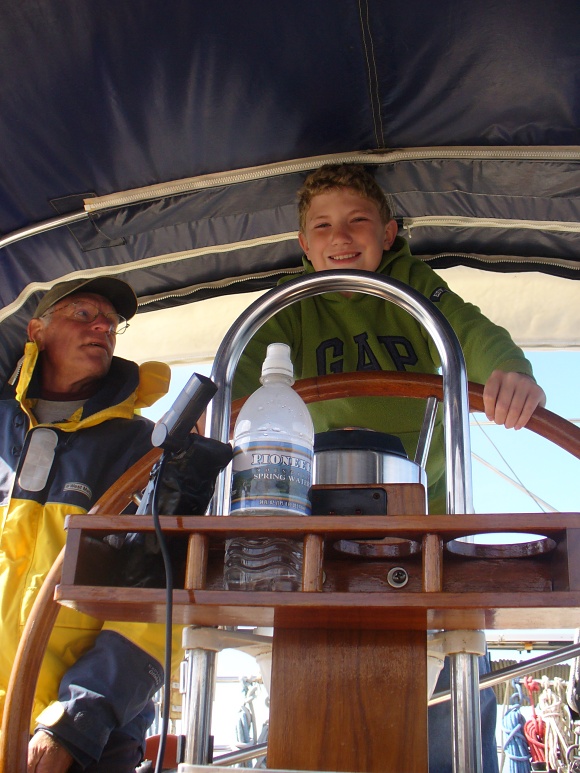
grandkidsMissing grandkids, close friends, kids … caring for elderly parents? It's one thing to be across town or a couple hours distance, but a long way away if you're on a boat at sea. The further away you get, the harder it is for you to come home and for them to visit. That said, many cruisers manage a half year on the boat and a half year at home or some similar arrangement.

6. Everybody in sync?

Is your spouse or partner in sync with your plans? We've seen so many disgruntled sailors who complain that their spouse (male & female, by the way) doesn't enjoy the cruising life and so they're both miserable. It's a different life aboard and not always easy. Reasonable expectations on both sides can make a huge difference.

7. Experience and knowledge.

The learning curve for learning to sail and handle your boat, learning all about living on a boat, and learning to maintain and repair the boat and all its systems is very, very steep. Initially, it's nearly overwhelming, but definitely do-able. Take sailing lessons. Learn about boat handling. If you can't repair something on your own, hire someone to do it, but watch over his shoulder and learn, so that next time you can do it yourself. Take Coast guard courses. Take first aid courses. Buy reference and “how-to” books. Do some bare boat charters. Join other people on their boats. Read. Join SSCA (Seven Seas Cruising Assn), attend a gam and talk to other sailors. The more you know!

Okay, all you seasoned sailors out there. I've done the short list. Can you add key considerations that new sailors might want to think about before making the leap. We're in our 14th year of cruising and we wouldn't trade our travels and experiences for the world, but there are days when ...


10 Things You Should Know When Clearing into a New Country with Your Boat

clearing in_ flagsraised1_Snapseed copyEach country has its own set of rules for yacht* arrivals. Some countries are quite relaxed and easy. Just show up with your money in your hand and they'll lead you through the process. Other countries are much more stringent and you'll pay penalties if you don't comply with their arrival process...sometimes the process starts in advance of your arrival. It pays to do your homework.

1. Know the rules for pre-arrival notification.

Some countries require several days advance notice of your arrival by email or fax (e.g. Australia, New Zealand, Fiji). Some require an email or radio call when you enter their territorial waters (e.g. Peru and Chile). Australia is the only country we've visited which requires a visa prior to arrival. You can check with other cruisers, consult a current cruising guide for the country, or, for the best up-to-date information, visit the country's website for yacht arrival information. Noonsite is an excellent source for check-in information as well.

2. Pets aboard require extra research.

clearing in petsAgain, some countries are fine if you have “typical” pets aboard, e.g. dogs, cats. Others have strict rules and may require quarantine or strict adherence to keeping the animal aboard while in port. Check with the specific country you intend to visit in advance. We traveled with a cat for many years and had no problems in the Carib, South Africa or South America, but French Polynesia, New Zealand and Australia have strict rules about animals arriving by yacht. There will usually be fees associated with bringing a pet into the country. Most countries do require a current (within six months) International Heath Certificate indicating that the animal is healthy and all shots are up to date.

3. Know the rules for importing freshies.wine and freshies

Many countries will take all fresh veggies, fruit, meat, cheese, eggs and dispose of them on arrival. If you know in advance, you can eat them en route and save having them confiscated.

4. Know the import limitations for taxable items.

There are usually rules and regulations regarding how much alcohol (spirits, wine, beer) and tobacco products you can bring in on the boat. Sometimes you're allowed extra as part of “ship's stores”. Other times, you'll be charged a tax for anything above the allowable limits or the excess will be “bonded” (either taken off the boat and returned when you leave or sealed in a locker on board). In our experience, Caribbean and South American countries were relaxed about this and Australia was not.

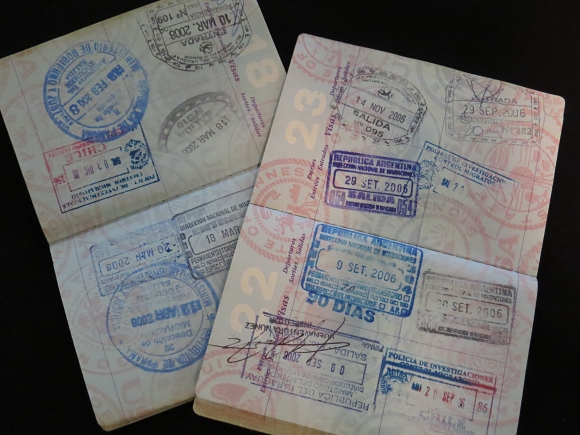
passports5. Have your paperwork ready.

This will include at least your boat papers, passports, clearance from your last port of call and a crew list.** Some countries (NZ and Australia) will provide advance arrival packets in foreign ports or make them available for downloading from the internet, so that all paperwork can be completed in advance. Note that you usually need 6 months left on your passport to enter a new country.

6. Announce your arrival into the country.

Fly your yellow Q (quarantine) flag on the starboard flag halyard upon entry and leave it there until you're cleared in. Make sure your national flag is flying when you arrive. Announce your arrival by VHF to the Port Captain, Harbormaster or as instructed in the country's arrival procedure. Remove the Q flag and hoist the country's courtesy flag on the starboard halyard once you've been officially cleared in. We're lazy. We fly the courtesy flag above the Q flag and then just take down the Q flag after clear-in. Technically, this is not correct, but we've never been “reprimanded” for it.

7. Expect visits from the officials.

easter island officials

Don't get off the boat unless instructed to. Don't make contact with anyone while you're in quarantine or give anything to anyone. Most countries insist that they clear you in before you step off the boat. Customs, Quarantine/Health and Immigration are usually the first aboard. Then perhaps, the Port Captain will appear. Depending on the country, maybe a few more officials will show up. Sometimes they just like coming aboard foreign vessels. On occasion, and usually in third world countries, you'll be asked for “gifts”. We usually played dumb. Sometimes we provided coffee and cookies as the “gift”. We did not pay extra money. If you're at anchor, they come by dinghy or sometimes you have to go pick them up.

8. Pay your fees.

currency

The only countries we've ever visited that charged no check-in fees were the French territories (Guadeloupe, Martinique, St. Martin and New Caledonia) and New Zealand. Otherwise, be prepared to pay fees ranging from $10 to $330+. Sometimes you can pay by credit card, but usually the fees are paid in the “coin of the realm” and you're allowed a period of time in which to acquire local currency.

9. Be honest.

It really doesn't pay to hide stuff. Country officials have the authority to search your boat from stem to stern. If they find something you haven't claimed, big penalties apply. New Zealand brought sniffer dogs aboard. Don't even think about illegal contraband, drugs, weapons, animals, or stowaways. Beyond monetary penalties, your boat can be confiscated and you can go to prison.

10. Be patient, polite and hospitable.

Some officials are pompous and officious; some are great. If you want to clear into their country, you need to deal with all of them.

*In the USA, the term “yacht” connotes an expensive, huge luxury boat. In the rest of the world, it simply means a sailboat or motor vessel owned for personal use.

**For a copy of a typical crew list and other free stuff, subscribe to our newsletter.  If you've already subscribed, send an e-mail and we'll send you a copy too.


Good Old Boat's Newest Contributing Editor

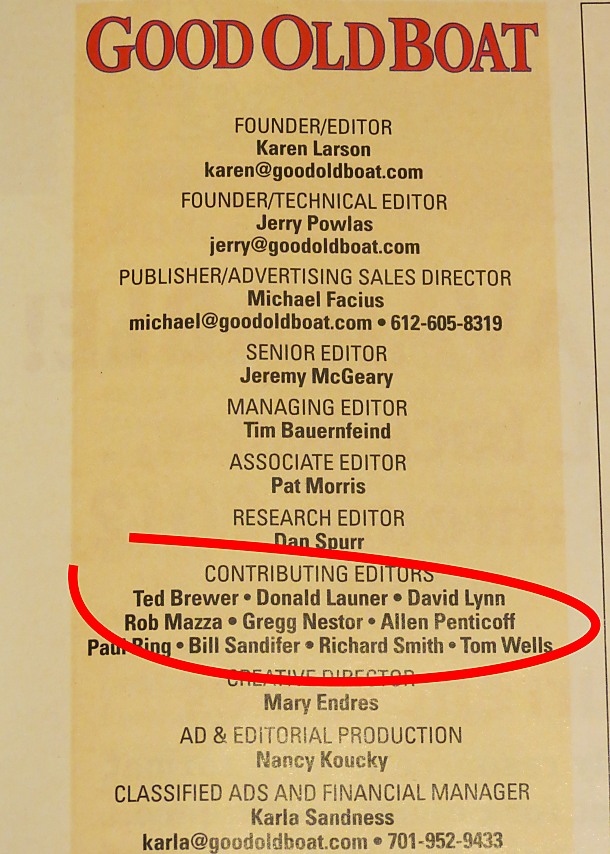
masthead  

It was bound to happen. David sent so many articles to Good Old Boat, the owners finally decided to make him a Contributing Editor to the magazine. Yup, believe it or not, David's name now appears in the masthead of Good Old Boat.

We've always dabbled with writing for sailing magazines. Marcie contributed monthly to Caribbean Compass for the entire year we were in the Carib. We both contribute regularly to our SSCA monthly bulletin. David got a couple of articles published in Boatworks a couple of years ago, and contributes to Ocean Navigator, too, but it wasn't until he started contributing to Good Old Boat (GOB) that he found a comfortable “home” for what he does best: technical and how-to articles. It seems the perfect place for do-it-yourself kind of articles and Lord knows, David is definitely a do-it-yourselfer.


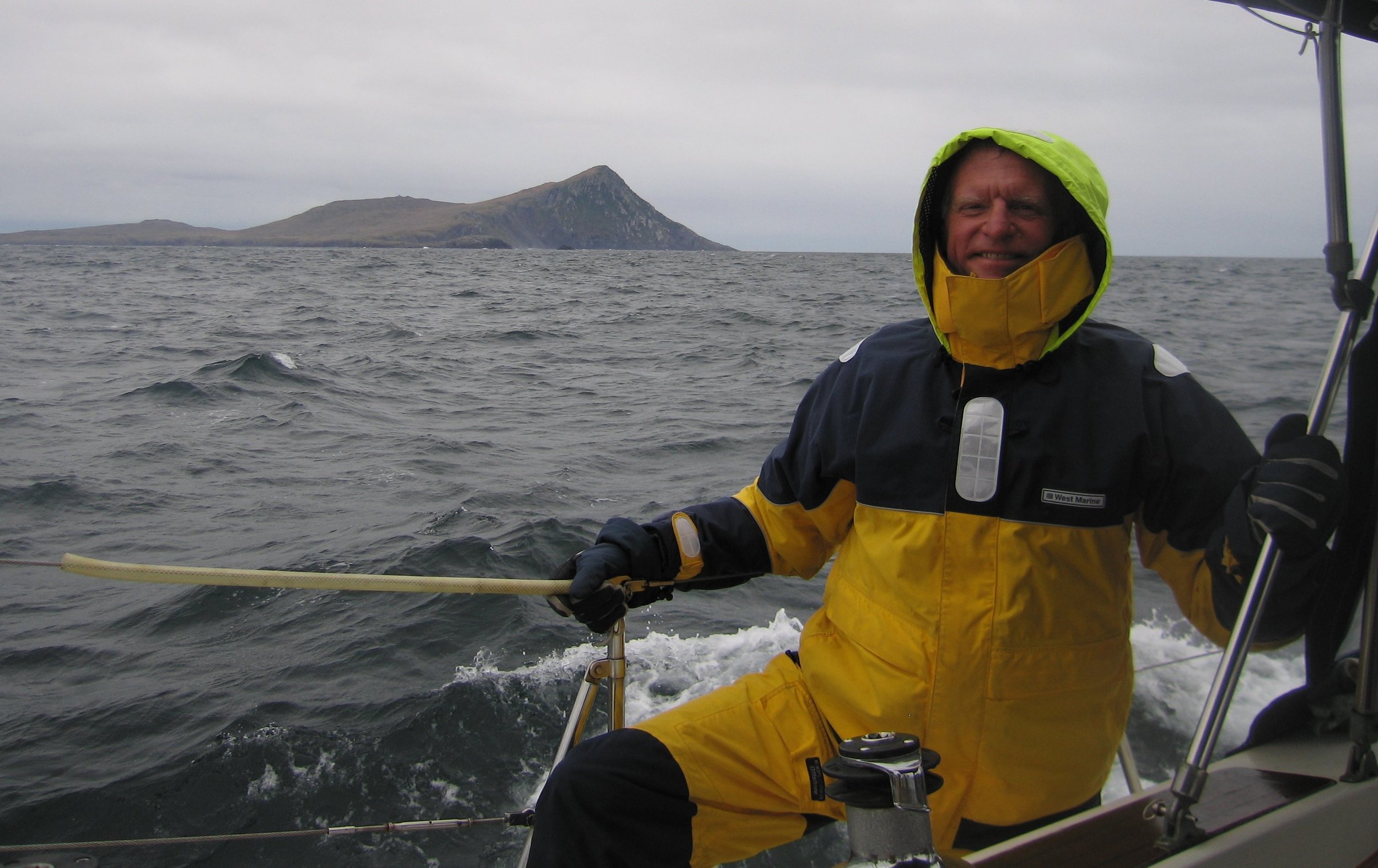
david at cape horn


If you haven't read Good Old Boat, it really does have lots to offer (beyond David's articles). It's written by sailors for sailors whether they're sailing lake, coastal or blue water. It's not aimed at shiny, new boats with all the bells and whistles. It's aimed at “the rest of us” who buy older, used boats which need some sprucing up. It's nitty-gritty, nuts and bolts kinds of articles that let you (let you?) get your hands dirty. All sailors experience many of the same challenges with boat maintenance and repair. If you've got a head, it's going to break at some point. If you have equipment, it'll need repair or replacement. If you don't have equipment, you'll need to install some. Decks need repair. Lifelines need replacement. Mast boots leak. It's never-ending. Sailors pride themselves in figuring out how to fix things themselves whenever possible and sharing the ideas is what GOB is all about.


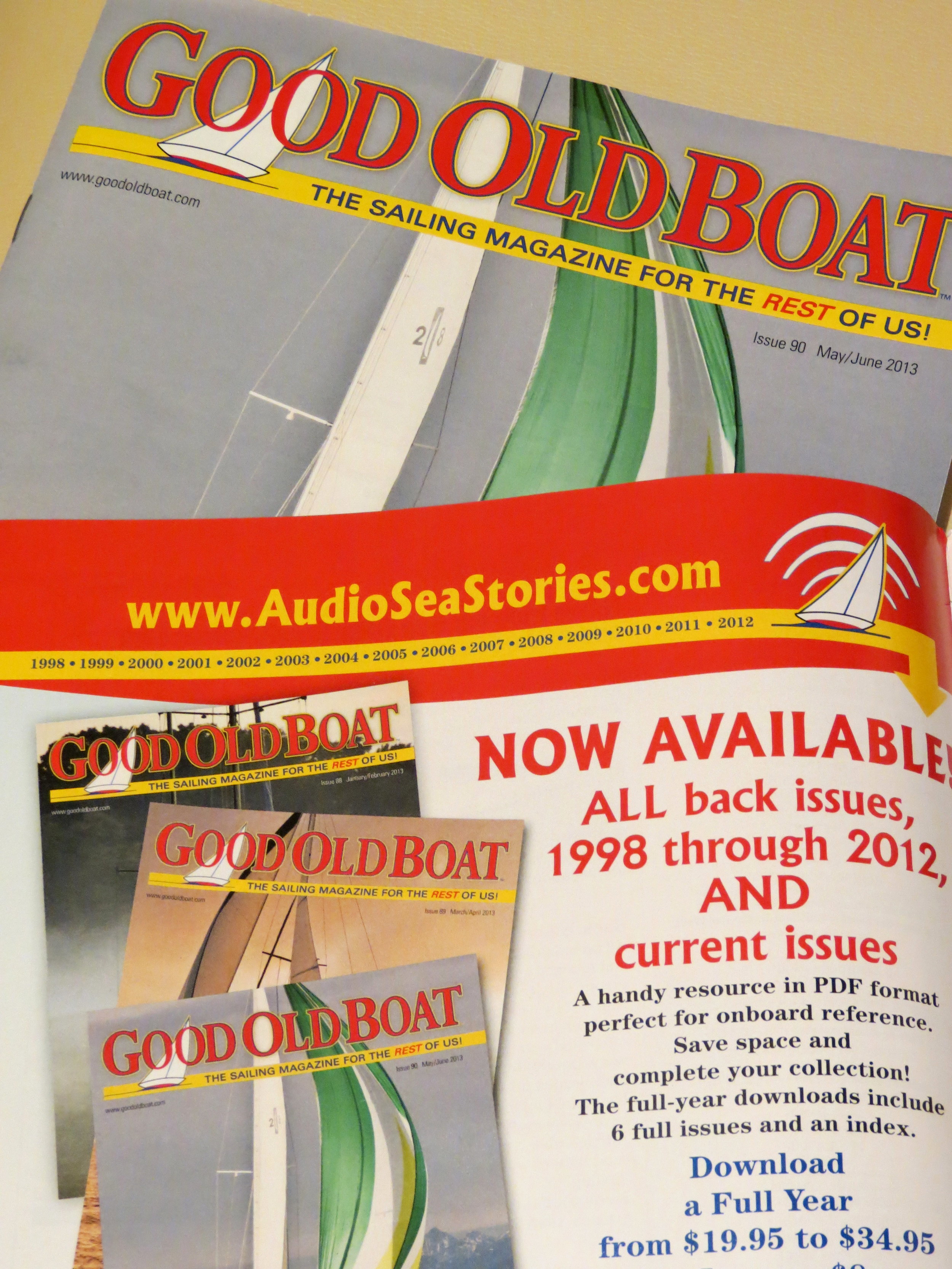
back issues


Are you a new boat owner or thinking about buying a boat? This is a perfect introduction to ways you can save on boat repair and maintenance as well as get lots of ideas for making your boat more comfortable and safe. Do you already have a boat and want to save money by doing more yourself? Got a project ahead that you've never tackled and want some ideas on how to handle it? GOB has archives of project articles that tackle most every project you could conceive.

Nope, we don't get a commission. We're just keen on sharing ideas and things we like with our fellow sailors. Interested in sampling a couple of digital issues of GOB for free and getting on our mailing list for more free stuff? Either click here or click on the GOB logo on the sidebar. Why not? We sailors love “free”.