
Our 12 Most Exotic Sailing Destinations

exotic locations In the past 15 years of rounding the globe, certain destinations were high on our “exotic” scale. We define an exotic place as one that's beckoned to us, maybe because of its historical significance, maybe for its tropical, faraway appeal, maybe because it always seemed alluring, out of reach and fascinating with that we've-read-about-it-in-books-and-now-we're-really-here quality.

San Blas Islands, Panama

The San Blas Islands, known by the locals as Kuna Yala (Land of Kunas) is the home of museum-worthy molas, women who wear gold rings in their noses and beads on their arms and legs, and proud, independent people who live in thatch huts and get married and buried in hammocks. This was our first really unusual, exotic adventure into a totally different culture and we relished it.

san blas island

Galapagos Islands

Charles Darwin and his discoveries in the Galapagos Islands … something we'd read about since grade school and here we were, visiting the Galapagos just like the HMS Beagle. The animal life was incredible with Galapagos penguins swimming around the boat, marine iguanas sunning on rocks, sea lions sleeping in dinghies and giant century-old tortoises munching on greens.
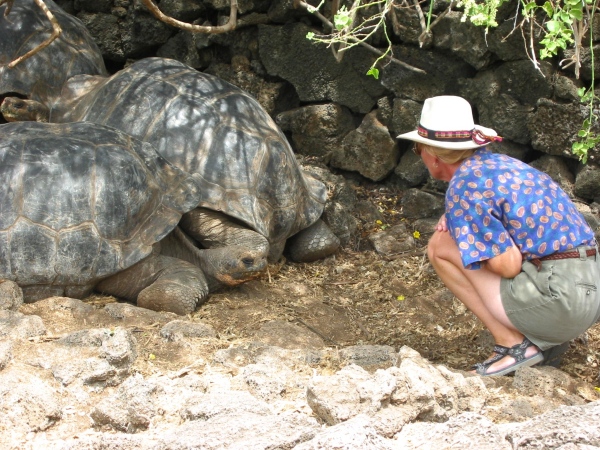
galapagos island

Juan Fernandez Islands, Chile

If you've ever read Defoe's Robinson Crusoe, this was the island upon which the real Alexander Selkirk was marooned. We scrambled to the top of the lookout that Selkirk climbed daily watching for a ship. We saw endemic Juan Fernandez hummingbirds (picafloras) feeding on cabbage trees. We took in the history and legends of a place few will ever visit.

juan fernandez islands

Easter Island, Chile

Rapa Nui, Isla Pascua or Easter Island … whatever you call it, it's an exotic place to visit. Moai statues stand sentry, facing inland to the island and its people, not facing out to sea. Wandering around these giant monoliths was incredible.

easter island

Pitcairn Island, Pacific Ocean (British Territory)

Anchoring off Pitcairn Island, we tried to imagine what the mutinous crew of the HMS Bounty must have thought as they chose this isolated island for their new home. Brenda Christian, great-great-granddaughter of the infamous Fletcher Christian, and her husband, Mike, provided hospitality and tours of the island that stretched up, up, up out of the sea.
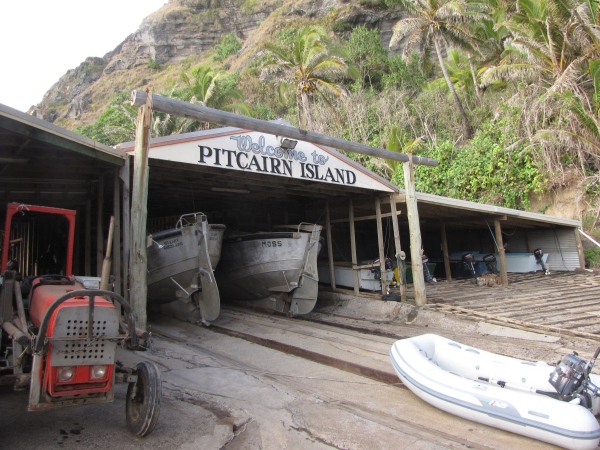
pitcairn island

Chatham Islands, New Zealand

We'd never even heard of the Chatham Islands until someone happened to mention them to us as a potentially interesting place to visit. Located 500 miles east off the coast of New Zealand's South Island, we found the inhabitants of the “first island to greet each new day” warm and welcoming though the wild and windy Chatham Islands weather was not. The expanse of the Te Whanga Lagoon abounded with graceful native black swans, fossilized shark's teeth and endemic flora and fauna.
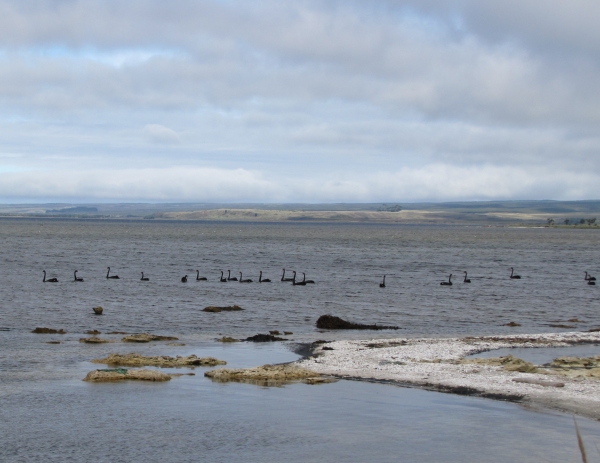
chatham islands

Tristan da Cunha, Atlantic Ocean (British Territory)

Touted as the most isolated island in the world, Tristan da Cunha's 300 self-reliant inhabitants are a hardy lot clinging to a volcano top in the middle of the South Atlantic Ocean. We know several sailors who passed by because of bad weather. We were fortunate enough to have settled conditions to call at this seldom-visited island for a taste of Tristanian hospitality.

tristan de cuna

Chesterfield Reef, New Caledonia (France)

Located in the Coral Sea on the route between Australia and Vanuatu, we thought we'd stop overnight and a week later found it difficult to leave this uninhabited reef teeming with birdlife, sea turtles, whales and dolphins.
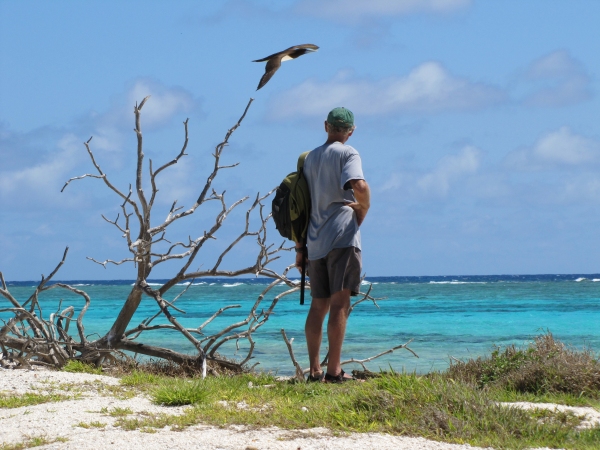
chesterfield reef

Suwarrow Atoll, Cook Islands

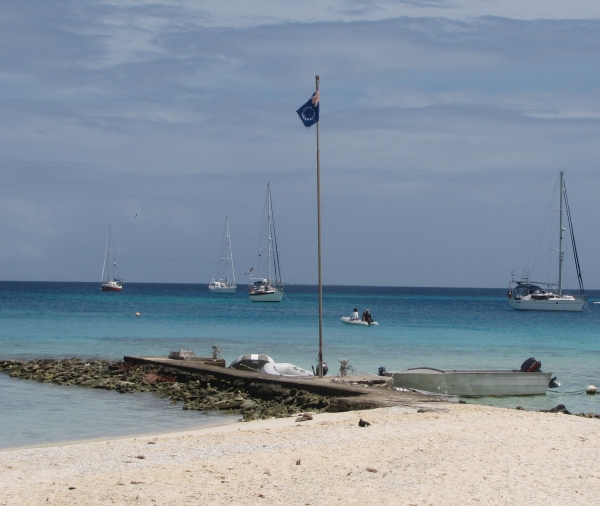
The protected anchorage inside this atoll allowed us to enjoy the Cook Island's only national park and it was absolute magic. We visited several islands and islets within the atoll, amazed at the bird life, the beauty and the number of other cruisers in the middle of nowhere with whom we had to share it.
suwarrow atoll

Tierra del Fuego, Chile

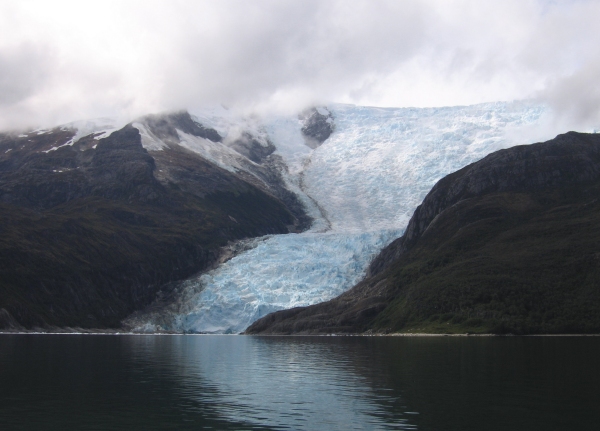
The Land of Fire at the bottom of the world was cold and remote and beautiful beyond belief. Sailing alongside the magnificent glaciers that swirled down the mountainsides and kissed the water below; wending our way through a labyrinth of channels in the Straits of Magellan and along the Beagle Channel; anchoring in tiny coves in the century-old wake of Joshua Slocum. This was beyond exotic … it was surreal.
tierra del fuego

Tasmania, Australia

Taswegians refer to Tasmania as “Down Under, Down Under”. The endemic flora and fauna was a delight, but mostly we reveled in the natural beauty and ruggedness of the place. In particular, Port Davey, accessed only by boat, was sheer eye candy.

tasmania

Tahiti, French Polynesia

Waking up at the marina located in the middle of downtown Pape'ete, Tahiti, smelling the coffee and fresh croissants in the morning and hearing the market buzz was nothing short of fantastic. This is the stuff dreams are made of and it rates right up there with the most exotic ports of call there are, especially with such a warm Polynesian welcome.

tahiti

If you'd like to taste more of these exotic destinations, check out the Nine of Cups website pages with the highlighted links above.

11 Renewals to Remember

When we're at sea, it's sometimes hard to remember all the little things that tie us to land. I'm not talking about the big land anchors like houses and mortgages. I'm talking about all those niggly little items that must be renewed yearly or bi-annually, or every five years or once a decade. Hard to remember them without putting them on a list … and even then I sometimes forget. It's necessary to consult the list once in awhile and I don't remember unless I've put “consult the list” on another list. I enter renewal dates on a calendar at the beginning of the year, so memberships and services don't expire accidentally.

  1. Annual Service Renewals. Three services we regularly use, Sail Mail ($250/year), SailBlogs ($35/year) and Buoy Weather($79.95/yr), all renew annually, but of course, at different times. SailMail is easy. Renewal is at the end of the calendar year and they start sending reminders a couple of months in advance to both land and sea email addresses. SailBlogs posts renewal notices on their site, but we don't always see them unless we actually get on the site. BuoyWeather, our preferred virtual weather forecasting service, does an auto-renew which we dislike since many times we're not at sea for months and prefer not to pay for services we don't need until we need them. I need to remember to cancel when we plan to be ashore for a long while and then reinstate when we get back to sea. We don't have a SatPhone or other such services, but they would all fall into this category.renewal collage
  2. Boat Insurance. There's no question that our insurance company will remind us yearly when it's time to renew. However, if you want time to shop around for competitive bids, it takes time, so you need to start early. We have also found ourselves at sea several times when our renewal in May is due which means it would lapse during our passage. Keeping track of the renewal time and getting things handled in advance eliminates one source of angst during the voyage.
  3. Sailing Club/Yacht Club Renewals. Our Seven Seas Cruising Assn. ($55/year) membership must be renewed yearly. SSCA sends reminders and has an optional auto-renew service which is convenient. Our yacht club membership at the Royal Cape Yacht Club in Cape Town, is an annual renewal in June. Reminders are numerous, but only to our land e-mail.
  4. There's the annual U.S. Coast Guard registration/documentation which used to be free, but now costs $26/year. They're working on making it renewable on-line, but so far, the site is inoperable. They promise to send a renewal notice 30 days in advance of renewal, but of course, since it's not working, in the meantime we have to remember. This official document must be presented every time we check in and out of a foreign port. After completing a renewal application (and now paying the fee), the hard copy usually arrives some time in March of each year and Lin scans and sends it to us for printing.renewal_Coast Guard doc1
  5. Voter registration updates are required to make sure we get our absentee ballots. We don't usually vote in the local elections, mostly because we're not around and have no idea what's going on locally. We do try to vote in the state and national elections, however, and insuring that the Registrar has our current address to send the absentee ballots on time is sometimes a challenge. Our absentee ballots that were requested to be sent to Australia one year, were sent to Austria.
  6. Driver's Licenses. Driver's licenses in Nevada must be renewed every 5 years, but since we don't own a car and we drive so infrequently, it's sometimes easy to forget when it's time to renew. It's an item on the renewal list. Luckily, most renewals can be done on-line now, but it's important to put it on a list because there are no reminders.
  7. U.S. Passports need renewal every 10 years. No one reminds you. There must be at least six months left on your passport before it expires in order to clear into most countries and it takes at 4-6 weeks to renew your passport in the States (unless we want to pay a premium to expedite it), not counting the time to complete the form, have new pix taken and get it mailed. We've found that it's easier and cheaper to have passports renewed in US Embassies abroad than doing it in the States. It really depends where we are and how much time we have, but it would be a bummer to have them expire outside the USA. David just renewed his … $110 plus $14 for photos (ouch!) and $5.75 postal charges. We have to remember to hold on to our expired passports as passport numbers change when we renew and we're sometimes required to prove (by supplying our old and new passport numbers) that we've left Nine of Cups in a foreign marina and are back to claim her.
  8. HAM and Radio Licenses. HAM licenses (free) must be renewed every 10 years … or they expire and you have to start all over again with the certification process. Ouch! A HAM license allows us to participate in cruising nets on certain frequencies at sea and use the HF radio for contacting worldwide HAM operators. If you wish to use WinLink, the free at-sea HF e-mail service, you need to be a HAM.The Ship's Radio License (free) is the license required to have and operate a VHF aboard and provides us with our boat call sign. It is also renewable every 10 years. There are no reminders and it's easy to forget.renewal_HAM license
  9. EPIRB Registration. EPIRB Registration (Emergency position-indicating radio beacon) is due for renewal every two years. No sense having an EPIRB aboard if it's not registered. If we activated the EPIRB while in distress at sea, it would alert the USCG to our location and hopefully help would be on the way. Each country has its own Beacon Registration renewal process. It's not difficult; it just requires attention. We now receive email reminders that renewal is required. Once renewed, they send a little sticker to put on the EPIRB itself as a reminder for renewal.And while we're talking about EPIRBS, it's necessary to replace the batteries every five years and this can only be accomplished by a factory-authorized service center. Read that “Expensive, inconvenient and slow.” Plan ahead.renewal_EPIRB
  10. Life Raft Re-certification. Our new Great Circle lift raft requires an inspection and re-certification every three years, an expensive event which requires lots of pre-planning. No one reminds us … it goes on the “list” because it's too important to ignore.
  11. Credit/Debit Cards. Credit cards and debit cards have random renewals, but automatically renew through your bank or credit card companies and then the new cards are sent to your billing address. They usually require activation. Getting them to where you happen to be before the old ones expire can be a challenge. Each time we go home, I check expiration dates on all our cards to see if renewal is imminent. If it's within 6 months or so, I call the bank or credit card company, explain the issue and ask for the cards to be renewed/issued earlier.

This list does not include on-board checks of fire extinguishers, etc. Those items are on another annual safety checklist and can be handled at our leisure without outside involvement. The key to renewal in all cases is to plan ahead. If we're somewhere with internet access, we might be able to renew some things, but certainly not all. If we're at sea, unless we want to enlist the help of shore-based relatives, there are not many renewal options. It makes sense to have a list, whether hard copy or on your computer, of expiration dates of all critical items with enough lead time to be able to renew

So … what did I forget to mention?

The Blue View - Praise for Good Old Boat

A few years ago during our Pacific explorations, we stopped at the tiny Waitui Marina in Savusavu, Fiji. It was a typical South Pacific marina, consisting of a dozen or so moorings placed in the anchorage, a dinghy dock, and a dilapidated building that served as the office. The building also housed a dive shop, a small Indian restaurant, and a laundry, and had a great bar with a nice deck overlooking the anchorage. The beer was cold, the food was good and the prices were low – everything a yachtie could ask for. We spent many an evening there chatting with the other yachties while watching the sunset. It was just what I had always imagined a South Pacific island would be when I was dreaming of sailing off into the sunset. savusavu sunset

The marina also had a small cubby where yachties could leave books and magazines they had read and pick up a few to be read. I was perusing the pile of old magazines when I came across one I had never seen before – Good Old Boat – The Sailing Magazine for the Rest of Us. I thumbed through it and knew immediately that this was my kind of magazine. It wasn't full of articles extolling the virtues of the latest million dollar production sailboat or the newest lightweight plastic daysailer. It didn't contain fluff 'how-to' articles on boat projects that skipped all the details of how the project was actually done – making me wonder whether the author had actually done the project or just looked over the shoulder of the professional he had hired.

good old boat cover

What it did have was articles written by sailors like me who owned (and loved) older boats. It was full of pieces describing the nitty-gritty details of various restoration, refit and repair projects by the people who actually did the work, and who weren't embarrassed to admit when they made a mistake nor discuss how they'd do it differently next time. The magazine also had articles on seamanship, boat handling and sailing tips, as well as reviews of older, classic boats. I searched through the pile of magazines and found a few other issues of Good Old Boat to take back with me to our good old boat, Nine of Cups, then spent half the night reading them all cover to cover.

Although I had had a couple of technical 'how-to' articles published in other magazines, Marcie was the real writer of the family, and had sold dozens of articles. She read through one of the Good Old Boat magazines and, recognizing immediately that this was a magazine written by and for kindred spirits, encouraged me to write a piece for them. I took her advice and wrote an article on the fabrication and replacement of deck prisms – not exactly a mainstream article. Karen Larson and Jerry Powlas, editors and founders of Good Old Boat, accepted the article, and after a short course by Karen on improving my style and grammar (Keep the tenses consistent - Don't pontificate - Use “This is how I did it” rather than “do it this way” …), it was published. Hooray!

good old boat table of contents

Since then, I've been fortunate enough to have had many more articles published by GOB. Karen even bestowed upon me the title of Contributing Editor – much to my amazement and surprise. They must have me confused with someone who actually knows what he's talking about. And after all these years, I still can't wait to receive the latest GOB and read it cover to cover.

If you haven't read Good Old Boat magazine yet, you can get two free digital copies here. Whether or not you actually have a 'good old boat', I hope you enjoy reading it as much as I do.