14 Free Things to Do in St. Augustine
/I knew if I looked hard enough I'd uncover a bunch of free things to do in St. Augustine. It actually wasn't hard once I started looking. See for yourself …
1. Take a self-guided city walking tour.
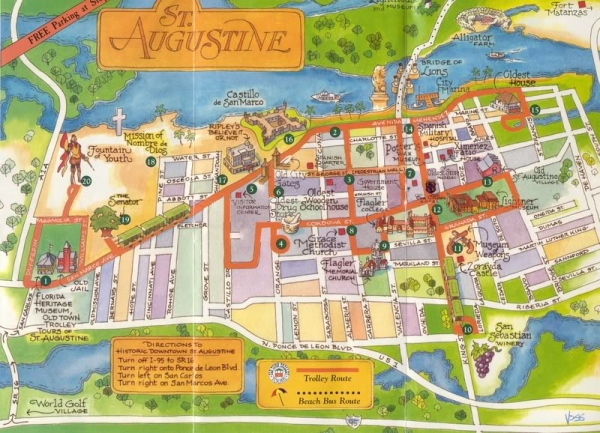
We found we really didn't need to buy a guidebook at all. It's easy to explore the city by just wandering around. There are signs and info placards in front of places of interest throughout the city. Look for statues (Ponce de Leon, Pedro Menendez de Aviles, Henry Flagler), city landmarks (City Gate), churches and cathedrals. Don't forget to walk along the narrow streets in the residential areas for unique, picturesque gates and gardens. The trolley tours of the city are modestly priced, but if you enjoy walking and wandering … and St. Augustine is a good walking city … just check out the trolley tour route on-line in advance. It provides lots of information, as well as the main sights to see.
2. Walk over the Bridge of Lions to Anastasia Island
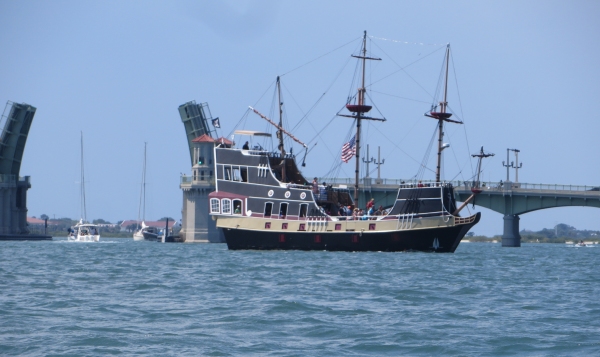
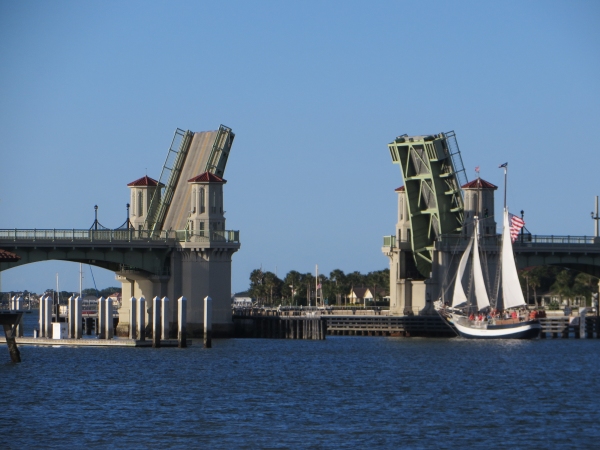
The Bridge of Lions is beautiful and it's a short walk across. Check out the Carrera marble lions on both sides of the bridge. If you're lucky, the bridge will open while you're walking across and you'll see sailboats or even the Black Raven, the local pirate ship, heading through on the Intracoastal Waterway. Except during the busiest traffic hours (0800/Noon/1700), the bridge opens for boats on request on the hour and half hour. You can monitor the bridge on VHF Channel 09.
3. Beaches
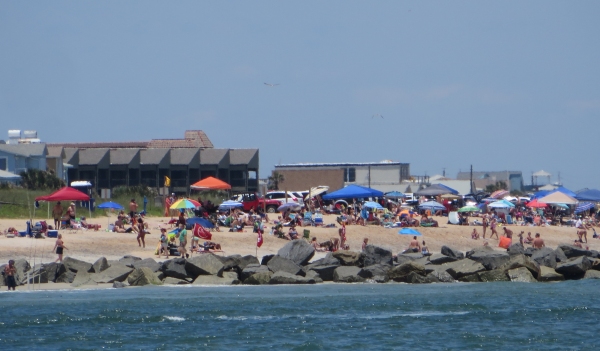
The beaches here are lovely and access to the public is free. Parking is at a premium, but some of the beaches are the type you can drive right up to and actually park on the beach. Come early to stake out your claim.
4. Free Distillery and Winery Tours and Tastings
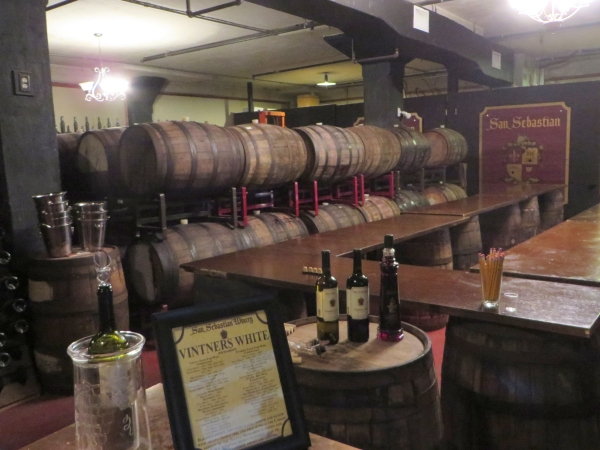
The St. Augustine Distillery and the San Sebastian Winery both offer free tours and tastings (age 21 and older). They are located right in the old city, an easy walk in historic downtown St. Augustine. Additionally, if you're an olive oil or balsamic vinegar connoisseur (or would like to be), The Ancient Olive offers tastings of olive oils and balsamics.
5. Aviles Street
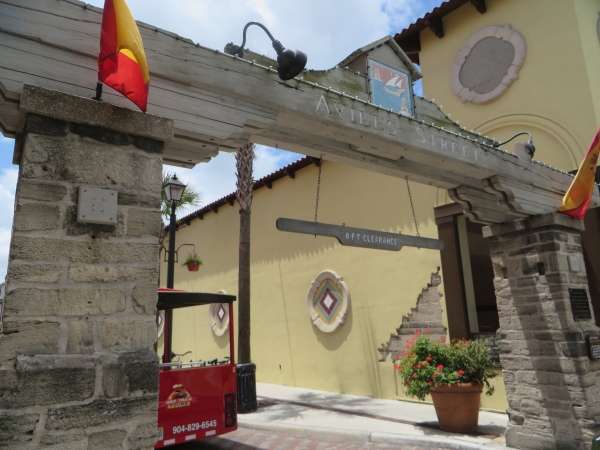
Brick-paved Aviles Street, named after the city's founder Pedro Menendez de Aviles, is touted as the oldest street in America. It's lined with boutiques, antique shops, bistros, cafes and historic houses. Browse, explore, window shop. It doesn't cost a penny.
6. St. George Pedestrian Mall
More touristy and crowded than Aviles Street, this pedestrian mall in the old Spanish Quarter is still interesting to explore. Multiply the offerings on Aviles Street by 10 and that's St. George Pedestrian Mall. If people watching is your thing, this is a good place for it.
7. St. Photios Shrine & the Peck-Peña House Tour
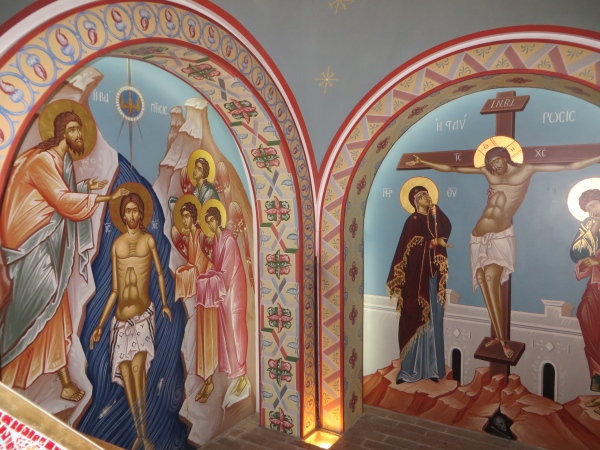
While you're on the St. George mall, you can duck into St. Photio's, a Greek Orthodox shrine, rich in Byzantine décor, statuary and historic significance. The Peck-Peña House is just up the street from the Shrine and, unlike most of the historical houses in town, offers a free historic house tour at designated times throughout the day.
8. Fort Matanzas National Monument
This small, but interesting fort, is about 14 miles from the old city on Anastasia Island. There is no admission charge for this US National Park facility and even the ferry ride to Rattlesnake Island where the fort is located is free. There's a movie and interesting displays at the Visitor's Center. The fort is small, but worth the visit and a ½ mile boardwalk trail through the beach flora is pleasant. You might even spot one of the gopher tortoises that make their home there.
9. Free exhibits at the Visitor's Center and Government House
We were pleasantly surprised by the city's Visitor's Center. There are several interesting displays and lots of information available. This is also the main parking facility for the old city area. Parking, unfortunately, is not free.
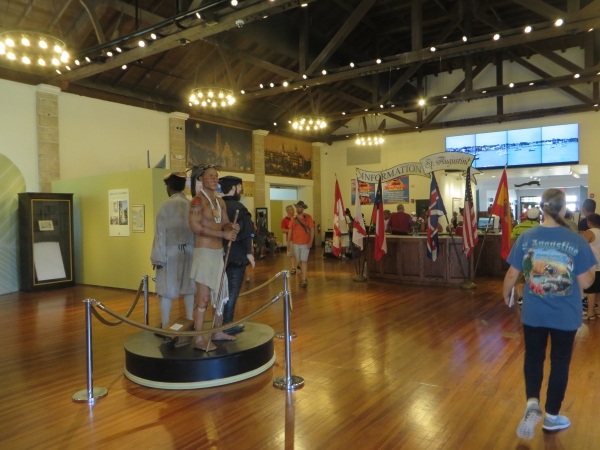
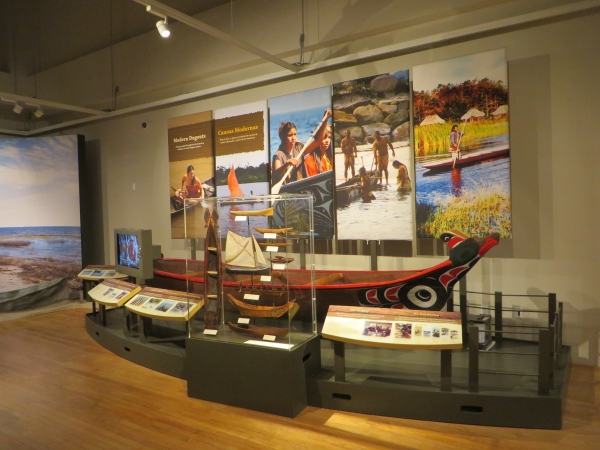
Near the Plaza is the Government House which offers free exhibits from time to time. While we visited, an interesting exhibit on Dugout Canoes was available.
10. Free concerts and movies
There are two venues for free summer concerts in the city. There's a Music by the Sea Concert Series at the St. Augustine Amphitheater and Concerts in the Plaza, right on the old city plaza in front of the Cathedral. Just Google “free concerts st augustine” or “free movies st augustine” for current scheds and movie/performance offerings. Bring your chair or blanket and your dinner if you wish, but no alcohol is allowed.
11. Davenport Park Carousel
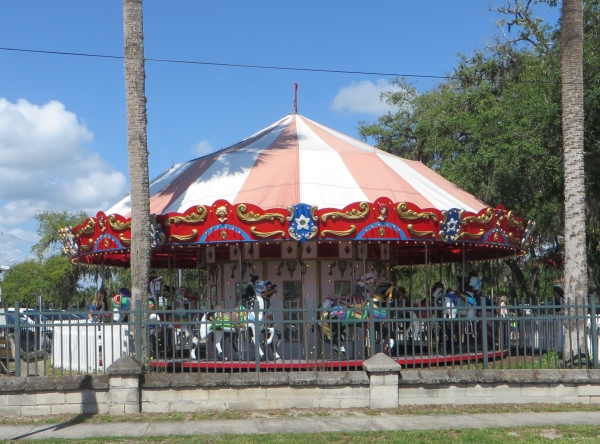
This is a good place to bring the kids to run off some energy. Entrance to this city park is free and there's plenty of playground equipment to keep the kids occupied. The 1927 restored carousel is $1/ride … almost free.
12. Lighthouse Park
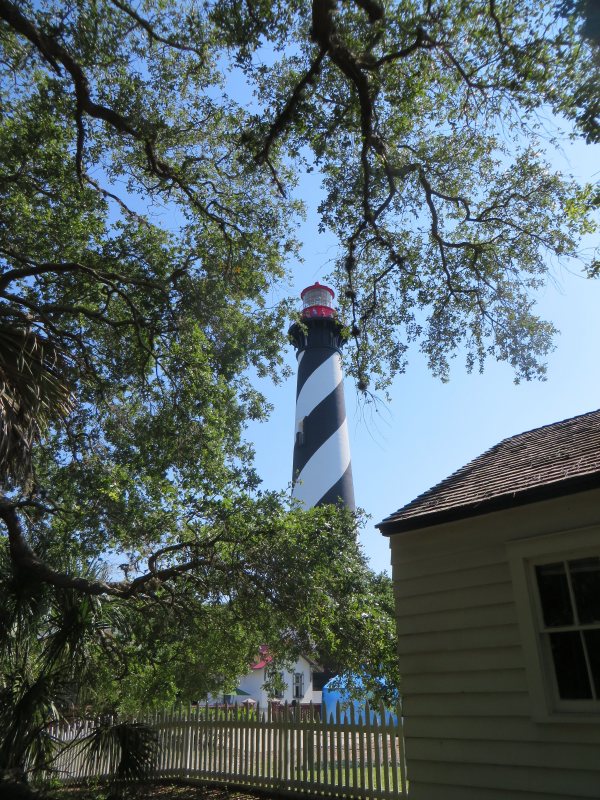
If you continue across the Bridge of Lions along A1A, you can walk to Lighthouse Park. Entrance to the lighthouse is not free, but you can easily view the lighthouse, check out the displays and shop in the Visitor's Center, view the lighthouse keeper's house and walk down to the beach without charge. Wandering the neighborhood and checking out the historic houses (19th/20th c) around the lighthouse is pleasant walking along shady, flowery streets.
13. Magnolia Street
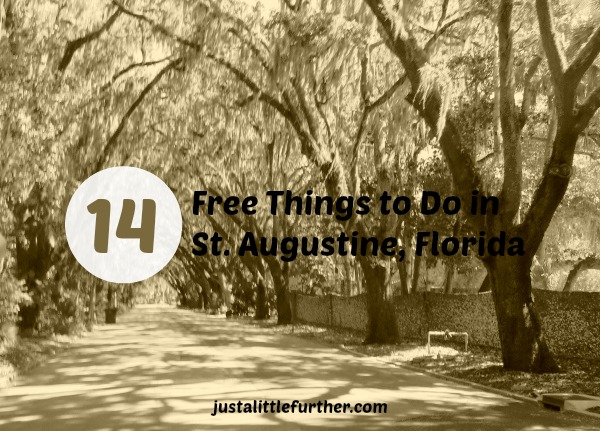
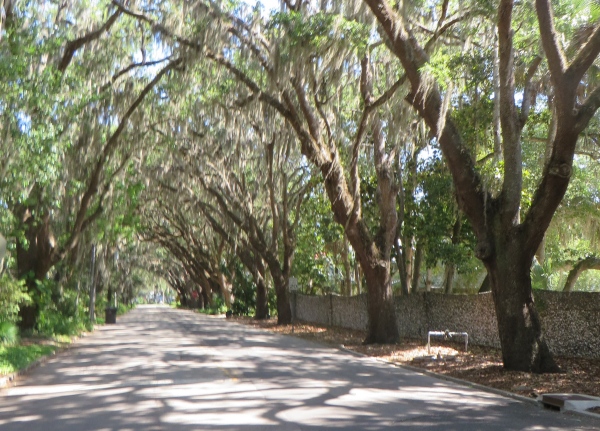
This street, where the Fountain of Youth Park is located, is misnamed. Instead of magnolias, it is lined with magnificent live oak trees. Spanish moss, aka old man's beard, hangs from the branches and provides a great opportunity to take advantage of one of St. Augustine's most photographed streets.
14. Churches, cathedrals and old hotels
The St. Augustine Cathedral Basilica and the Flagler Memorial Presbyterian Church are just two of several churches that can be visited in St. Augustine. You don't have to be religious to appreciate the architecture and detail of these buildings.
Though tours and museums are available for the old hotels, you can wander the luxurious grounds and take in the delightful decadence without admission. The old Ponce de Leon Hotel, one of Flagler's flagship hotels, is now Flagler College. Walk past Flagler's statue and through the arches and enjoy the lavish surroundings and detail. A tour is available if you're interested.
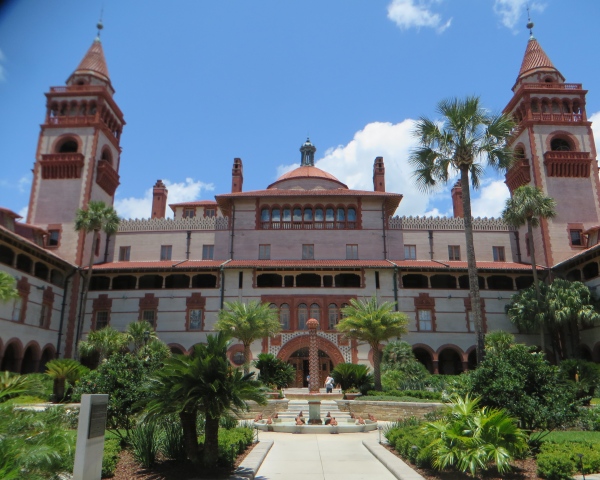
Across the street, the Lightner Museum and City Hall are located in the old Alcazar Hotel, also one of Flagler's hotels developed for the rich and famous in the 1920s. Past Pedro Menendez de Aviles' statue, again you can enter the lavish courtyard and cross the bridge to view the huge koi in the pond. There's a small bistro and several shops surrounding the gardened courtyard. The Lightner Museum, one of the city's premiere museums, is located here and, in our opinions, is well worth the admission price ($10/pp).
There are coupon books and city maps galore available at the Visitor's Center, many retail stores and the trolley/train ticket outlets. The coupon books offer discounts for restaurants, tours and most attractions allowing you to save a few bucks when you do opt to splurge. Senior discounts are offered at most attractions.
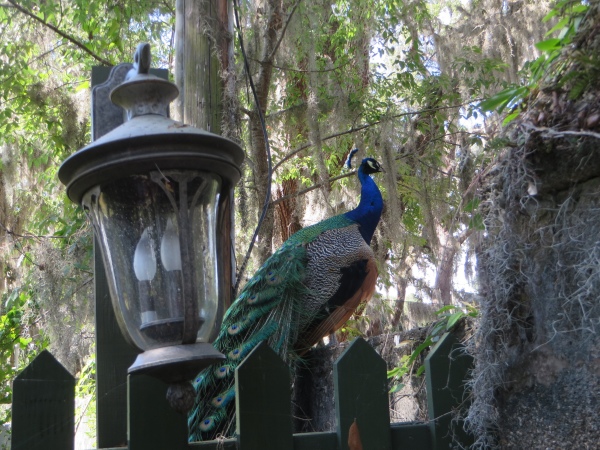
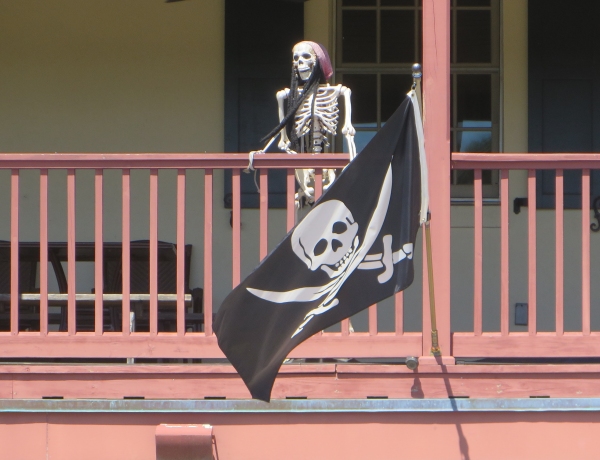
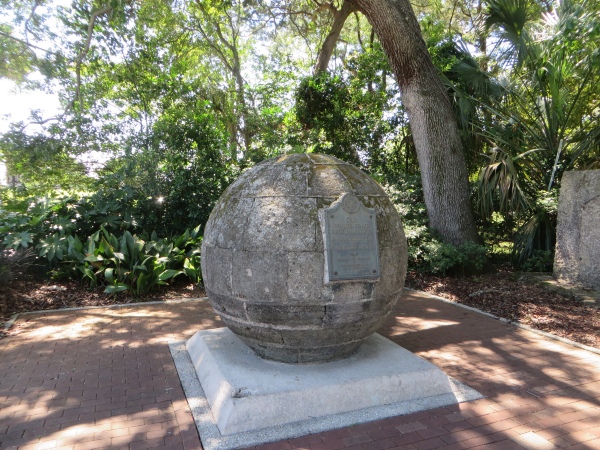
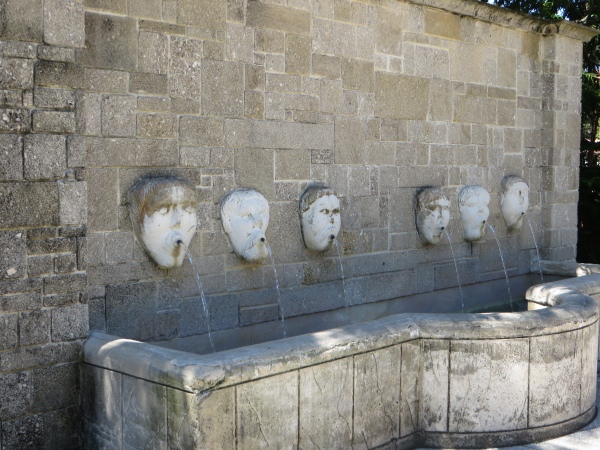
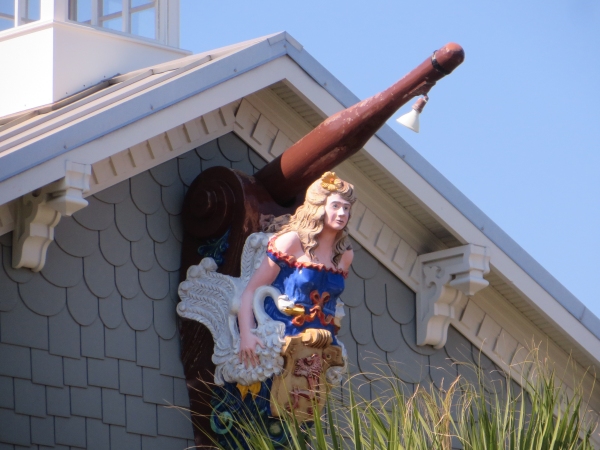
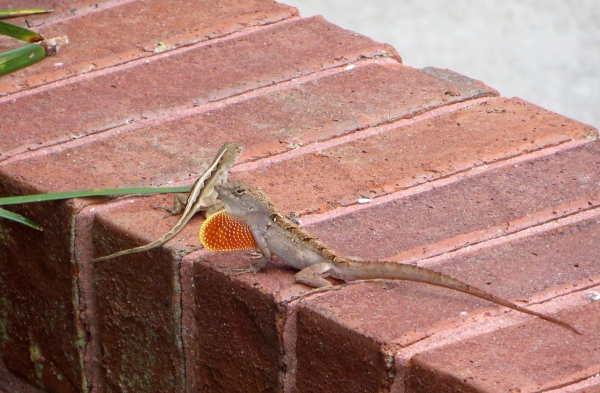
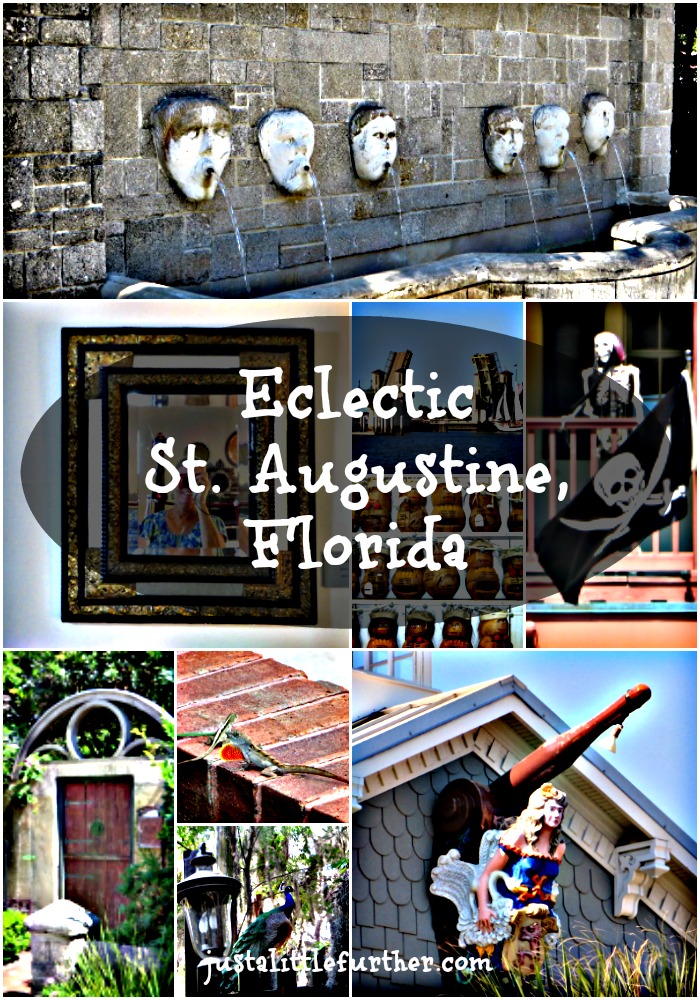 As we wandered and explored St. Augustine, I snapped photos of anything that caught my fancy and many times these pix just don't fit anywhere into a blog post. Still, I wanted to share them with you. This post is a pictorial catch-all for those photos that previously didn't have a place. Hope you enjoy.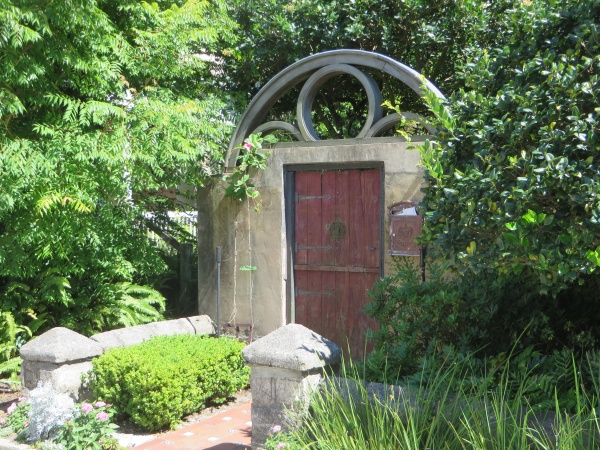


 We are very conservative sailors. We reef down before we need to when we see potentially bad weather approaching or in the evenings when we can't always see a squall coming our way until it is on top of us. Likewise, we use less sail than we did a few years ago - we'd rather trade a few miles of distance each day for a more comfortable ride. We call it 'leisurely sailing' (although in our younger years we undoubtedly called it 'old fart sailing'). A good day for us now is 150 nautical miles, just over an average of six knots.