

Our Overly Smart Home
/
A few days ago, we got a notification on our smartphone that our garage door app—the one that opens and closes our garage door—had begun using two-factor authentication, or 2FA.
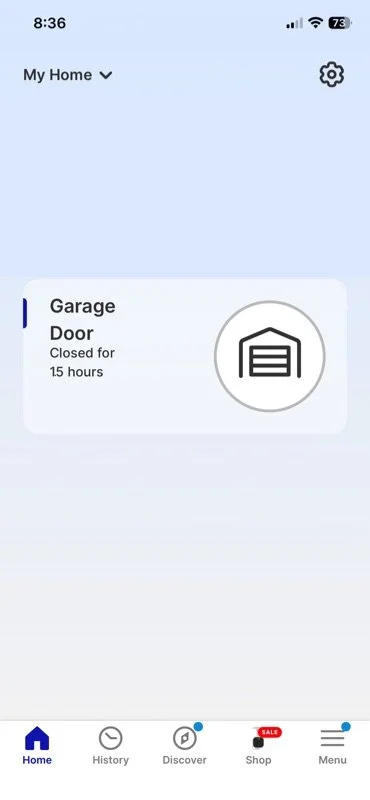
Yup - the garage door is closed
Unless you’re one of the very few people left on Earth who doesn’t have a credit card, bank account, or car insurance, you’re probably familiar with 2FA. Once you sign in with your email address and password, the bank, credit card company, or, apparently in this case, our garage door, sends a six-digit code to your phone or email. Enter the code to prove that you are who you say you are, and you’re allowed to access your account or app.
We actually use the garage door app fairly frequently, usually when we’re halfway to Lowe’s or wherever and suddenly can’t remember whether we closed the garage door when we left.
While 2FA seems like a good idea for anything involving our bank accounts, email, medical records, or anything else that would be a real problem if hacked, it does seem like a bit of overkill for the garage door.
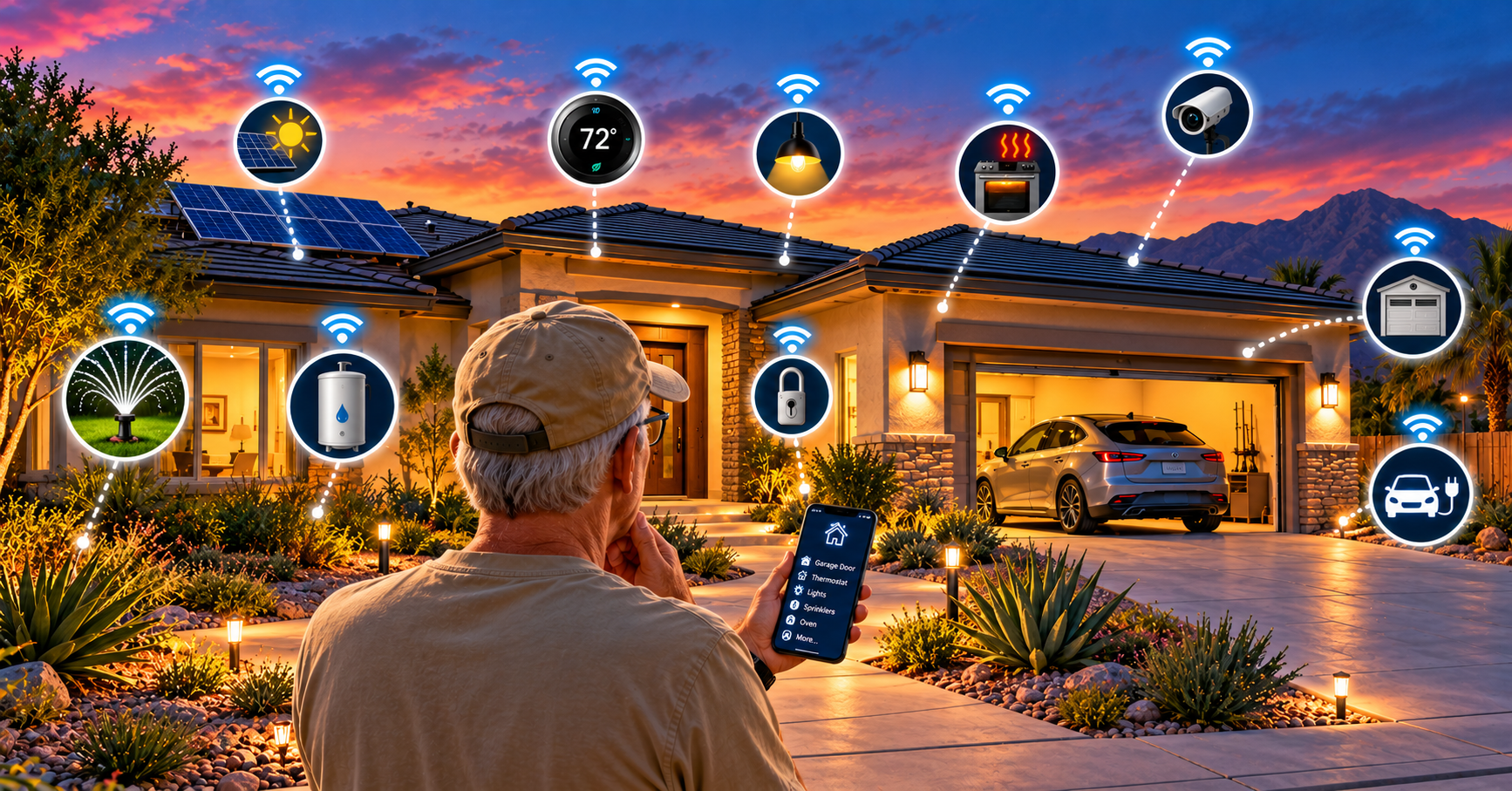
That got me thinking about just how much of our home has become “smart”—connected, and in some cases totally dependent, on the internet. And, more importantly, how inconvenienced—or perhaps downright screwed—we’d be if we lost our internet connection.
A Little Smart
Some of our smart devices are what I’d call benignly smart. We can monitor their status, but we can’t actually control them through the internet.
For example, our solar array has an app that lets us see how it’s doing and how much electricity each panel is producing. We can monitor everything from our phones, but we can’t shut the system down or otherwise mess with it. Or at least I don’t think we can.
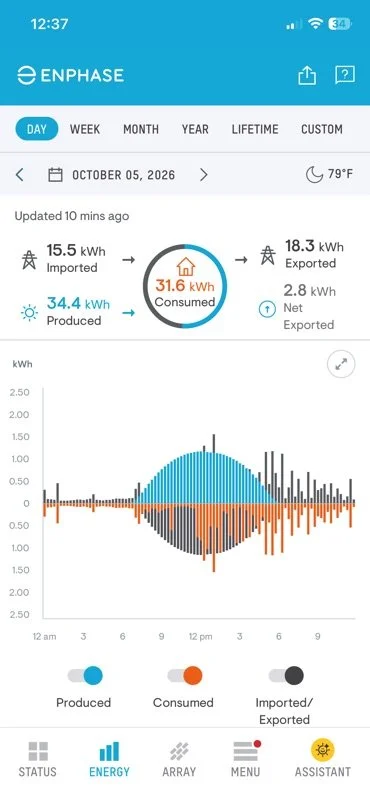
The Solar app Shows How our Panels are doing
With devices like these, losing the internet would be a slight inconvenience, but nothing more.
A Little Smarter
Some of our other devices are what I’d call gratuitously smart.
A case in point is our oven and range, which is internet-enabled. We can do all sorts of things from our phones: preheat the oven, control the oven light, get notifications when it reaches temperature, and a host of other things we will probably never use.
I suppose there’s some possibility that we might want to preheat the oven on our way home so we can pop whatever we’re cooking into it as soon as we walk through the door. But frankly, we’ve never been in that much of a hurry.
And the only time I’d want to turn on the oven light is when I’m standing in front of the oven. There’s a button right there to do it. It would never even occur to me to ask Alexa to turn it on.
On the other hand, some of these features can be downright annoying.
All three members of our household get a notification on our phones whenever the oven reaches temperature. Very useful information when I’m climbing a mountain somewhere and Marcie is baking.
And sometimes I think Alexa gets bored—or perhaps just feels mischievous —and randomly turns on the oven light.
Too Smart
Then there are the devices that are totally dependent on the internet. Our sprinkler controller is one of these.
In the old days, if I wanted to run one of the sprinkler lines to check for leaks, or simply because the plants needed a little extra water, I’d walk over to the controller and press a button.
Simple.
With our new, high-tech controller, doing the same thing isn’t too difficult. You just use the phone app—once you figure out the user interface.
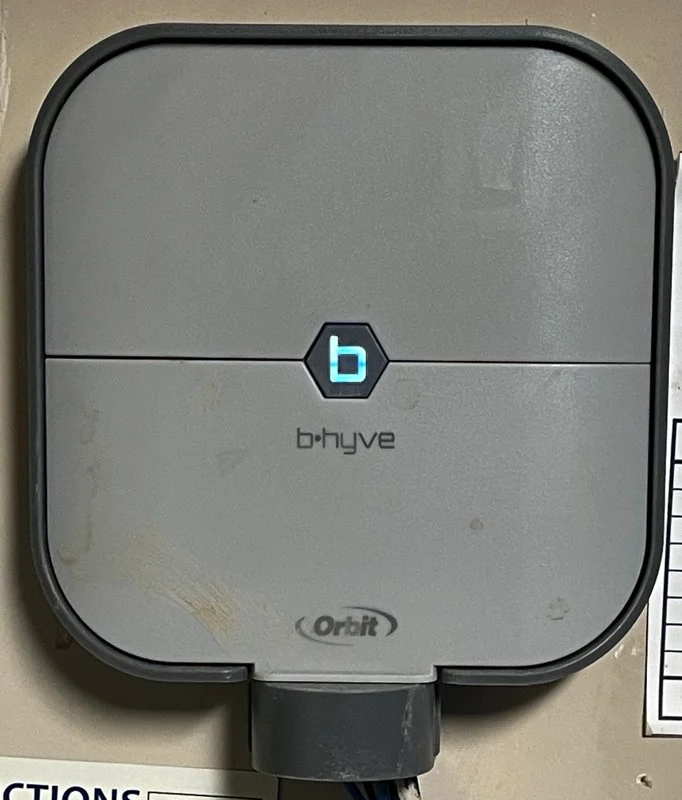
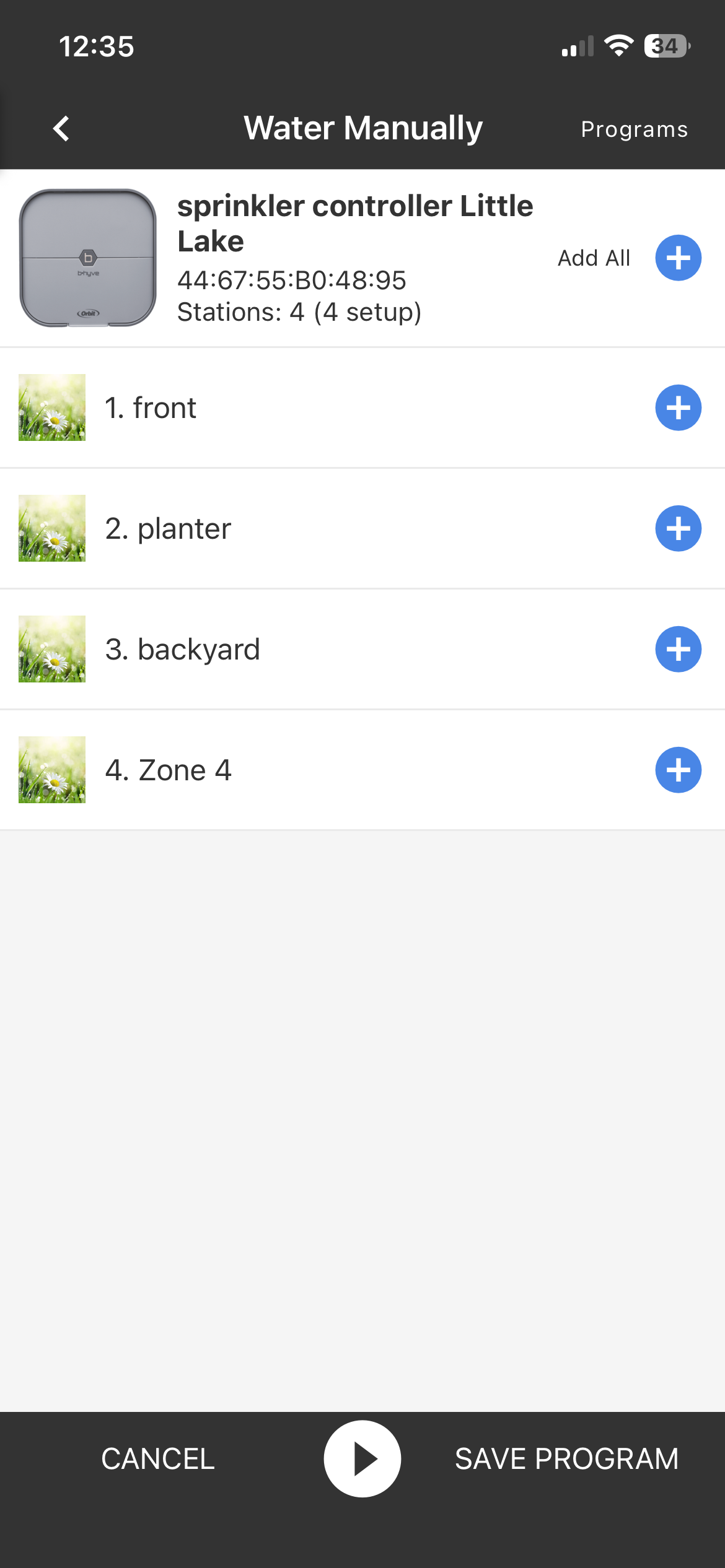
If the internet goes down, however, even the simplest tasks become considerably more complicated.
The operator’s manual explains how to operate the controller using the single button and 16 pixel display on the front. There’s just one little problem: the manual is online, of course, and is only available when the internet is working.
Hacking Potential
Then there’s the issue that makes me wonder whether we’ve perhaps gotten a little too smart. What happens if someone hacks into our home network or our phone apps?
There’s the obvious possibility of someone opening the garage door or unlocking the front door. Fortunately, that risk is somewhat reduced, because we still use good old-fashioned “dumb” deadbolts on all our entrance doors when we leave the house or go to bed.
But a hacker could wreak havoc on our lives in all sorts of other ways.
They could flash our smart lights on and off at all hours of the day and night.
Turn the thermostat up to 99°… or down to 50°.
Run the sprinklers constantly—or shut them off entirely.
Turn off the water heater. Or, for that matter, turn off the water.
Turn all the TVs on and off, or crank the volume to maximum.
And if they really wanted to have some fun, they could lock, unlock, or start our cars—or set off the car alarms.
In retrospect, maybe two-factor authentication on some of our apps isn’t such a bad idea after all.