
Pioche’s Bandits and Desperados
/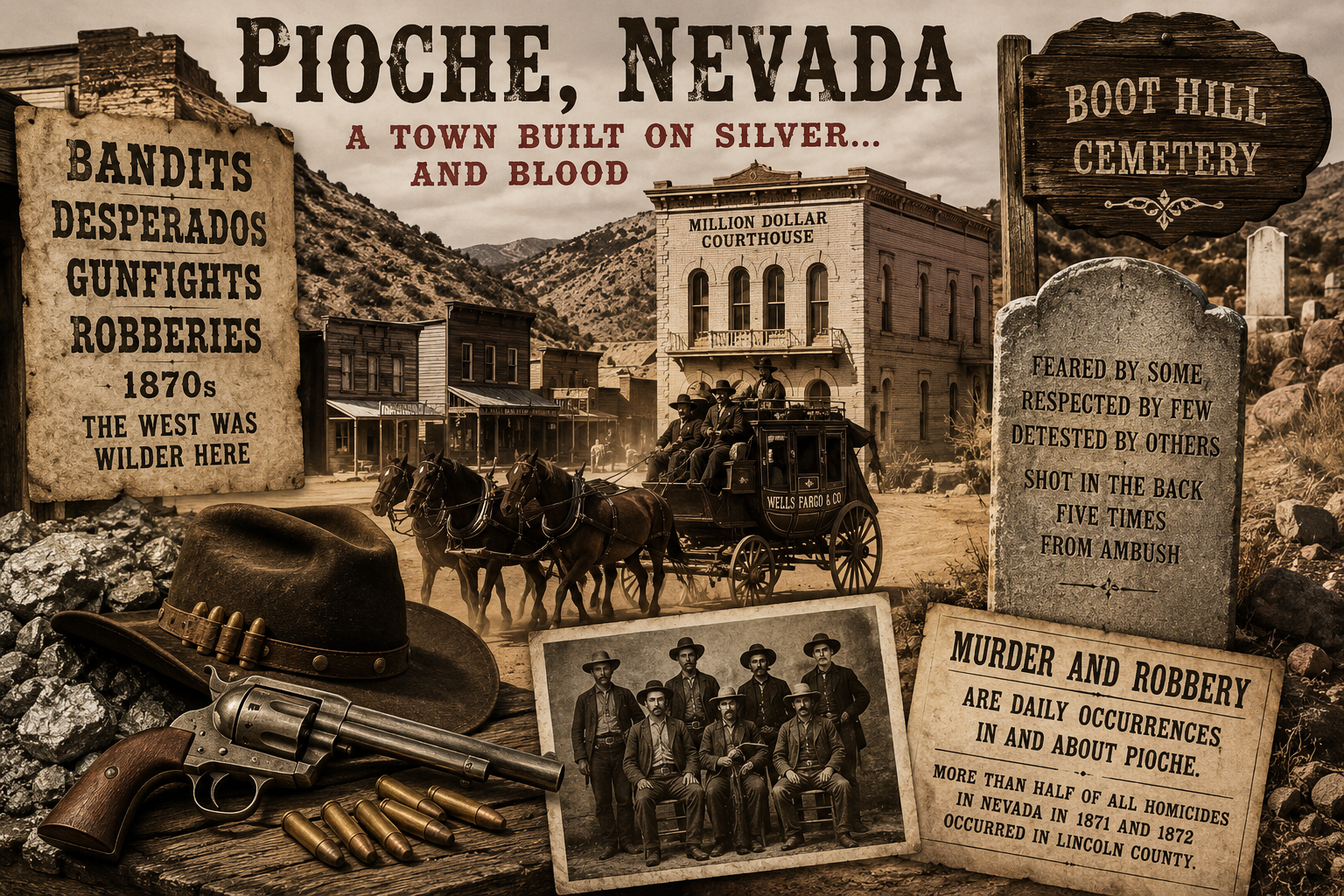
Marcie, in her last blog, wrote about our visit to Pioche, Nevada—a quiet little town tucked into the mountains of Lincoln County. We strolled past historic buildings, admired old mining relics, and snapped photos of the famous Million Dollar Courthouse. It’s hard to imagine that this peaceful place was once considered one of the bloodiest towns in the American West.
During the silver boom of the early 1870s, Pioche exploded from a remote mining camp into a thriving boomtown. Along with miners, merchants, and investors came a less desirable crowd: gunfighters, claim jumpers, gamblers, horse thieves, highway robbers, and assorted desperados looking to profit from the chaos.
Unlike many western towns where disputes centered on cattle or cards, Pioche’s troubles revolved around silver mining claims. The stakes were enormous. A rich claim could make a man wealthy overnight, and disagreements over ownership were often settled with revolvers rather than lawyers. Mine owners hired armed guards and professional gunmen to protect their interests, and some of those gunmen earned handsome wages simply standing watch over contested ground.
The roads leading into Pioche were just as dangerous. Freight wagons hauling supplies from Utah were tempting targets, as were Wells Fargo stagecoaches carrying not only passengers, but payrolls for the mining companies. One well-known incident involved a teamster named Athe Meeks, who was ambushed by two highwaymen while hauling mining timbers. Instead of surrendering, Meeks drew his revolver and shot both would-be robbers, leaving them dead beside the road. In Pioche, even the victims tended to shoot back.
The violence quickly became legendary. Local lore claims that more than seventy men were buried “with their boots on” before anyone in town died of natural causes. Historians argue over the exact number, but there’s little doubt that Pioche’s murder rate was extraordinary. Nearly sixty percent of all homicides reported in Nevada during 1871 and 1872 occurred in and around this one small town.
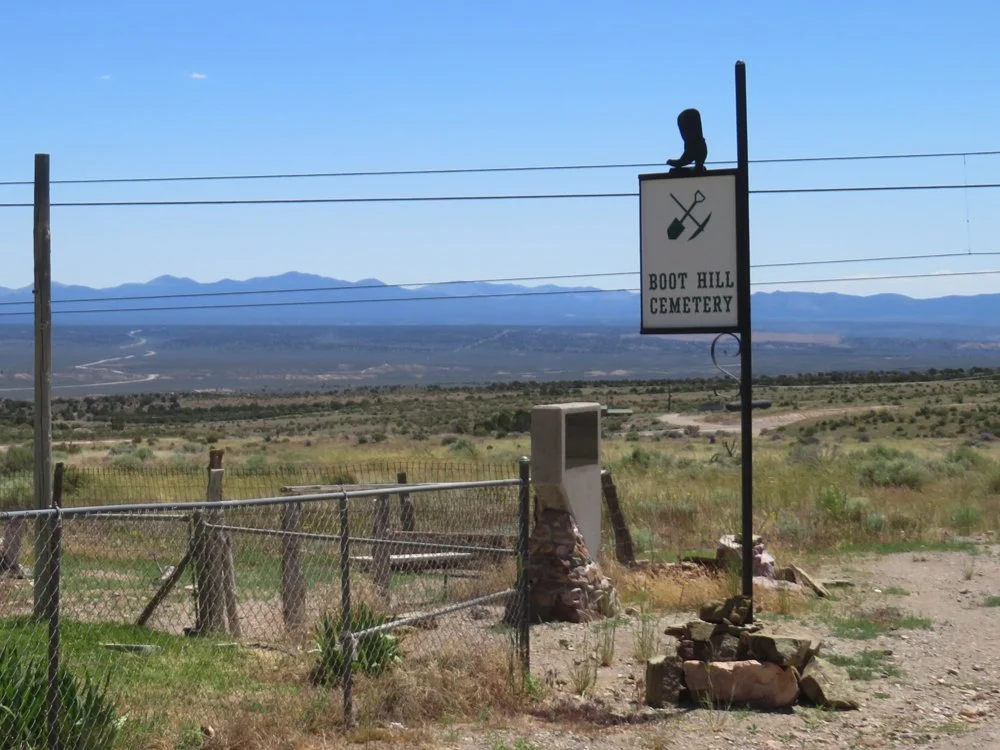
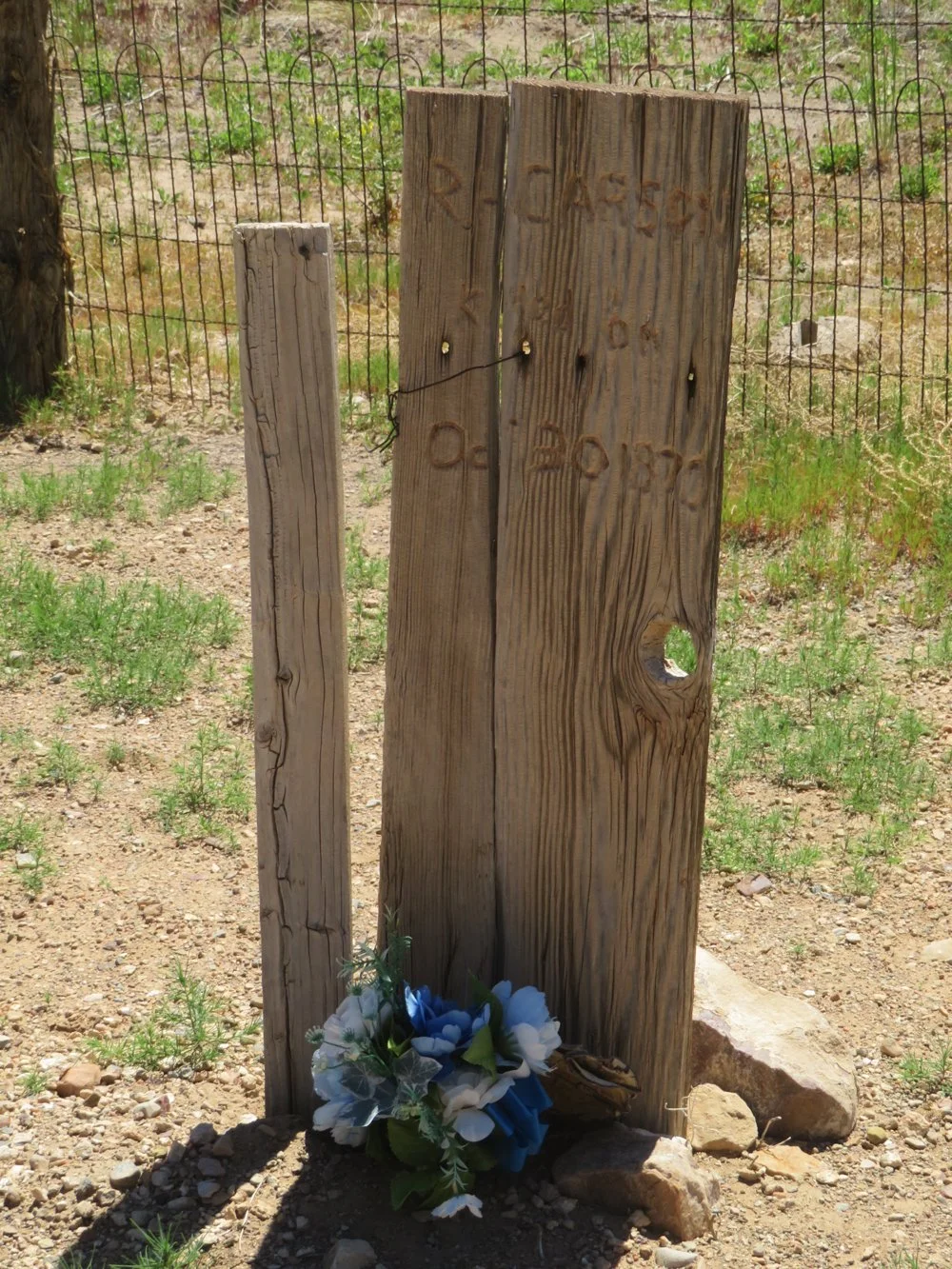
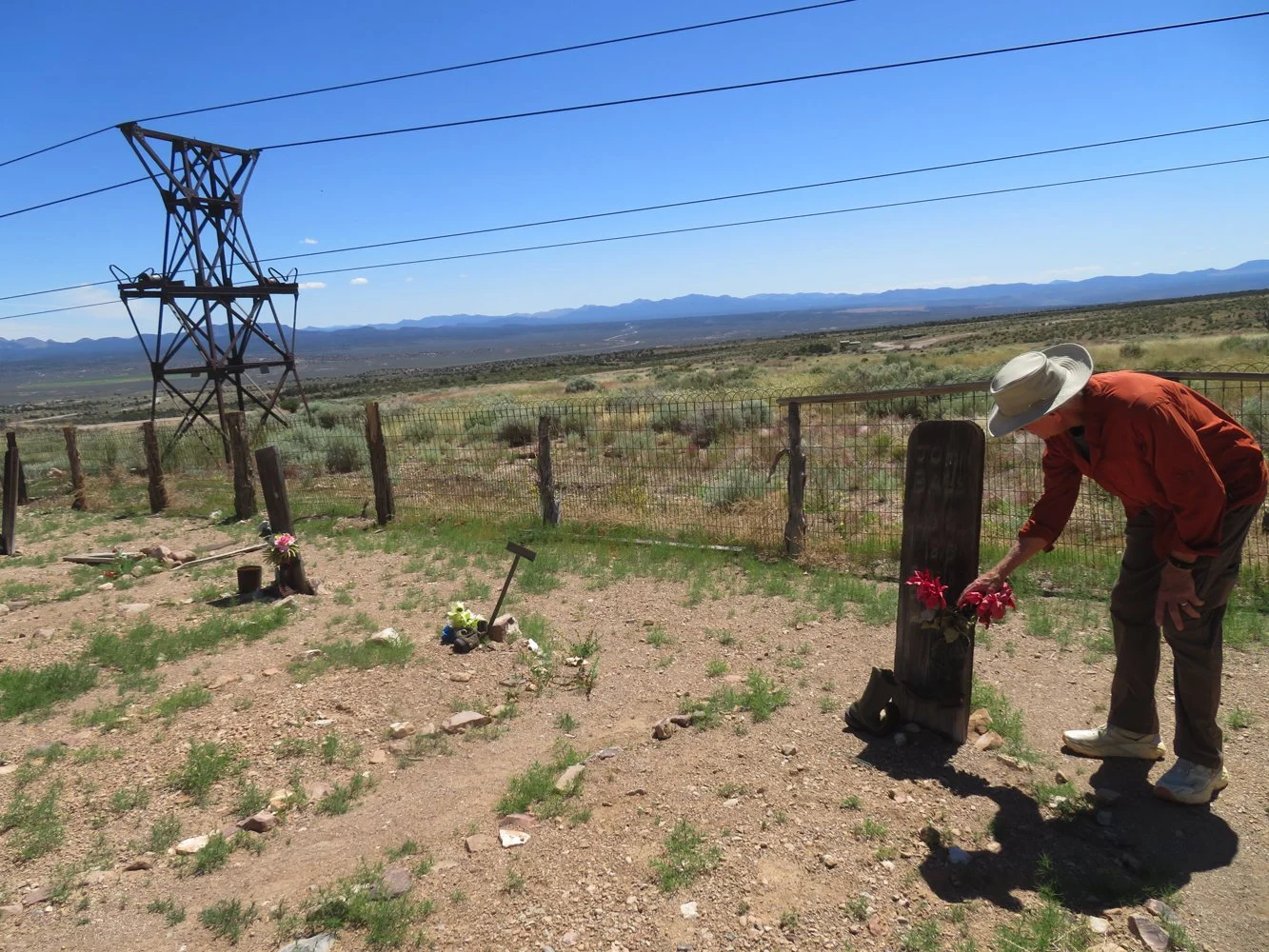
We’ve visited a number of Old West towns that still maintain a Boot Hill—a final resting place for unlucky gunfighters, cattle rustlers, and card sharks who didn’t quite draw fast enough. I even wrote a blog about some of the more well-known Boot Hills along the way. Pioche, of course, has its own, which was set apart from the cemetery where the more “respectable” citizens were buried.
Today, Boot Hill still stands—weathered, a bit forlorn, and easy to overlook—but a few of the epitaphs remain legible, quietly telling stories of arguments settled poorly and lives ended abruptly.
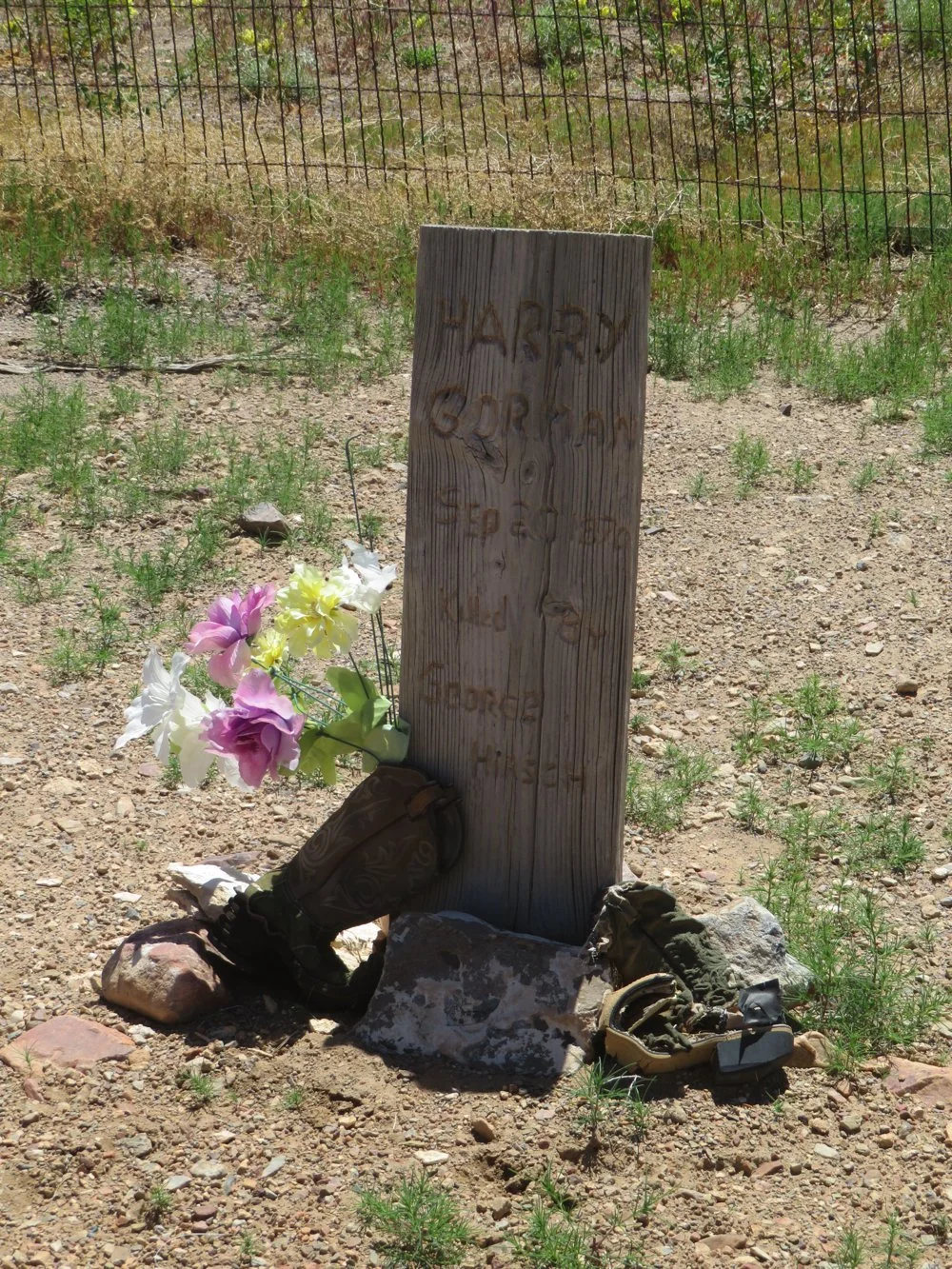
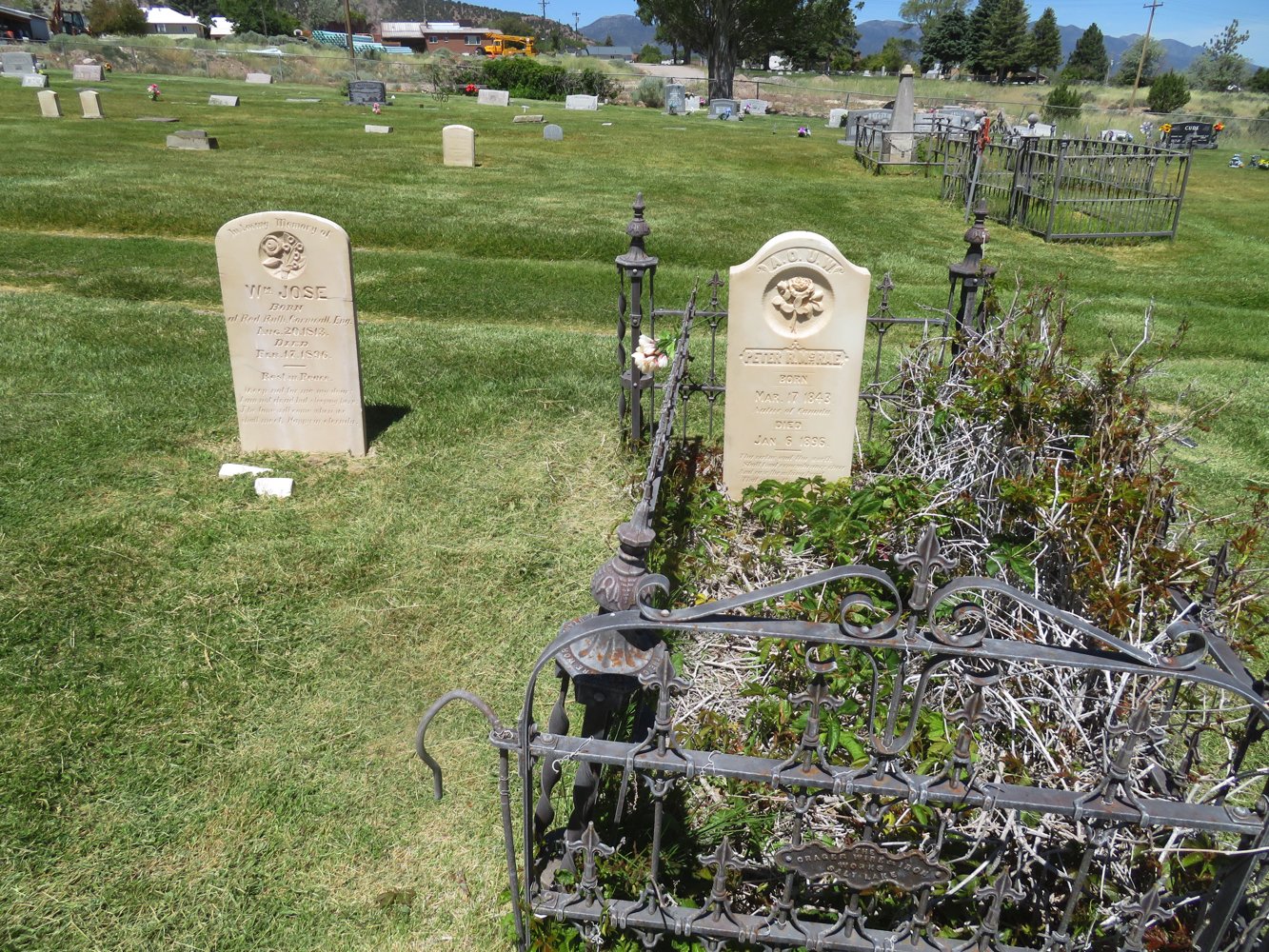
Where The respectable folks were buried
I’ve collected a few stories about some of Pioche’s more colorful characters:
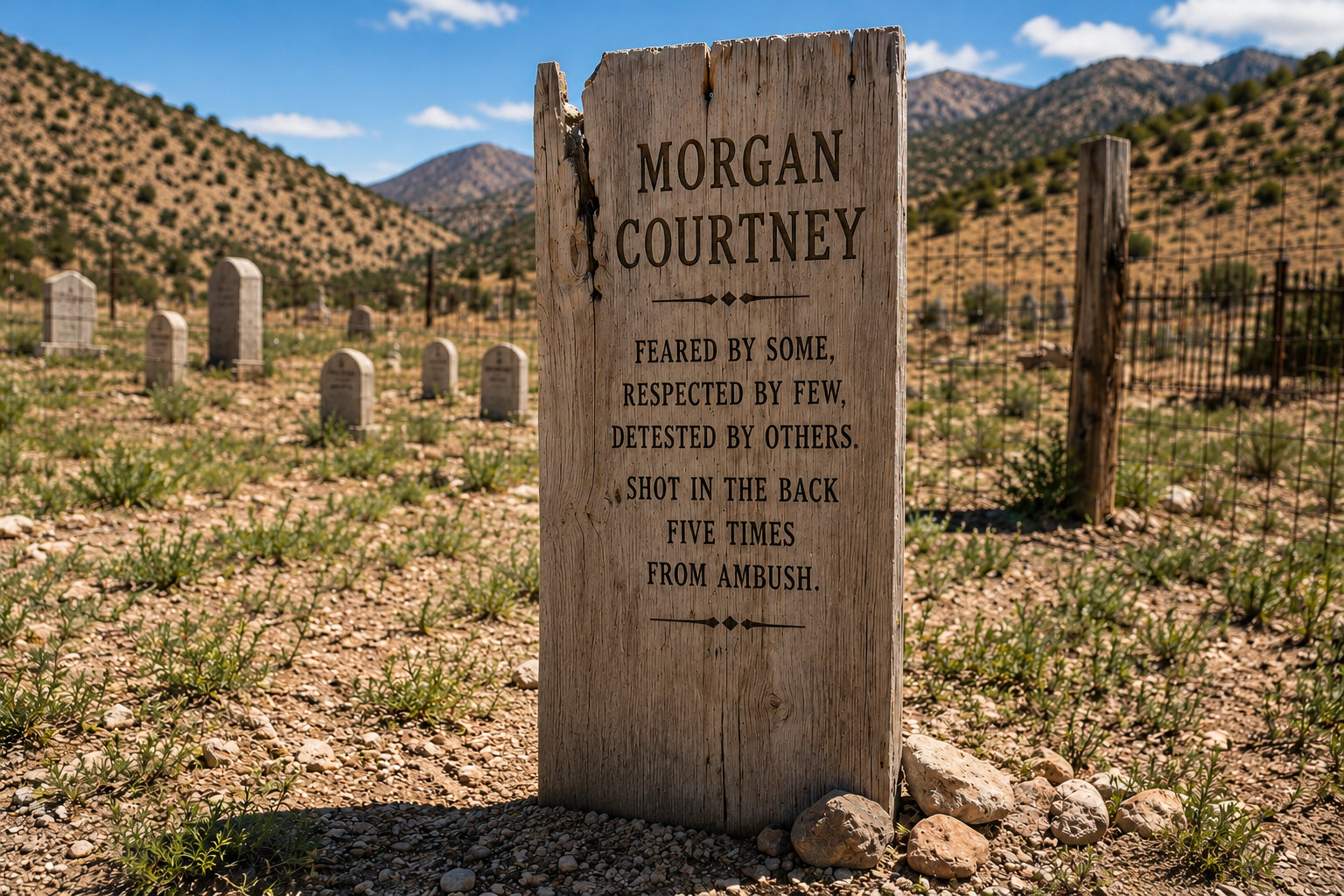
Morgan Courtney
An Irish immigrant and fugitive from Virginia—where he had already murdered a man—Courtney (whose real name was Richard Moriarty) became a feared figure in early Pioche. After numerous clashes with rivals and the law, he met a fitting end: ambushed and shot in the back five times. His grave in Boot Hill carries one of the West’s more blunt epitaphs: “Feared by some, respected by few, detested by others. Shot in the back five times from ambush.”
Andrew Jackson “Big Jack” Davis
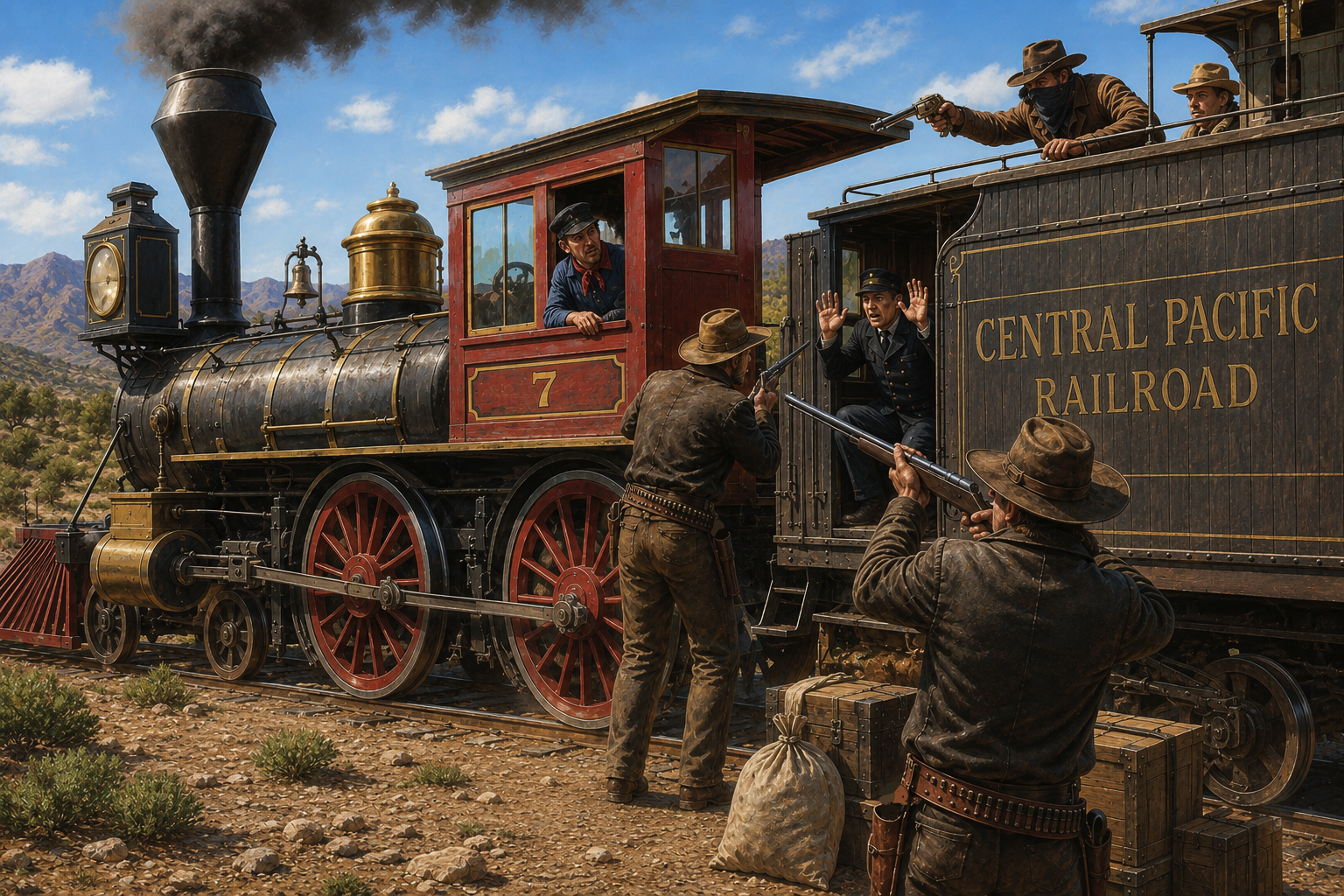
Davis started out on the right side of the law as a legitimate mining operator near Virginia City. At some point, he decided crime paid better. He went on to organize gangs that hijacked stagecoaches, bullion wagons, and even pulled off the Verdi Train Robbery—the first train robbery west of the Rockies. His operations extended into the Pioche region before his career ended the usual way for men in his line of work: violently.
The “Pilgrim”
Some outlaws left behind names. Others left only stories. The man known as “Pilgrim” falls into the latter category. Traveling alongside two traders named Pierson and Ames, he gained their trust before shooting them with their own guns, and disappearing with their valuables and horses. His identity was never discovered, which in that time and place probably counted as a successful retirement plan.
Charles A. “Black Jack” Harris
Harris may be the most entertaining of the bunch. He turned stagecoach robbery into such a routine, efficient business that Wells Fargo eventually decided it was cheaper to put him on the payroll than to keep chasing him.
Throughout the 1860s and 1870s, Harris worked the remote trails around Pioche. Stagecoaches arriving in town carried Wells Fargo strongboxes filled with gold coins and payroll cash. Harris had a simple, effective method: step out of the desert, stop the coach, politely request the strongbox, and send everyone on their way unharmed. He rarely needed to fire a shot.
Eventually, Wells Fargo realized they couldn’t catch him. So they tried something different. They offered him a job.
The deal was straightforward: Harris would receive a steady weekly salary, but he had to be physically present inside the Wells Fargo office in Pioche every time a stagecoach arrived. Since he couldn’t rob a stagecoach and stand in the office at the same time, the company figured their payrolls would be safe. Paying him off, they reasoned, was cheaper than losing a strongbox every few weeks.
It was a clever idea. Unfortunately, Harris was cleverer.
Now employed by Wells Fargo, Harris knew exactly when the richest shipments were arriving and which routes the stages would take. He passed that information along to a hand-picked crew of associates, who continued the robberies while Harris stood inside the Pioche office—chatting with the agent and maintaining a perfect alibi.
Wells Fargo eventually realized they were being played, but proving it in 1870s Pioche was another matter entirely. Harris, unlike many of his contemporaries, managed to avoid a violent end. He died in bed in 1875—without his boots on—which may have been the most remarkable feat of his entire career.
Today, the gunfire is gone. The saloons are quieter, the mines are mostly silent, and the desperados have all taken up permanent residence in Boot Hill. But their stories linger, giving Pioche a character that’s hard to match, and well worth the visit.