

Discovering Nevada – Pioche
/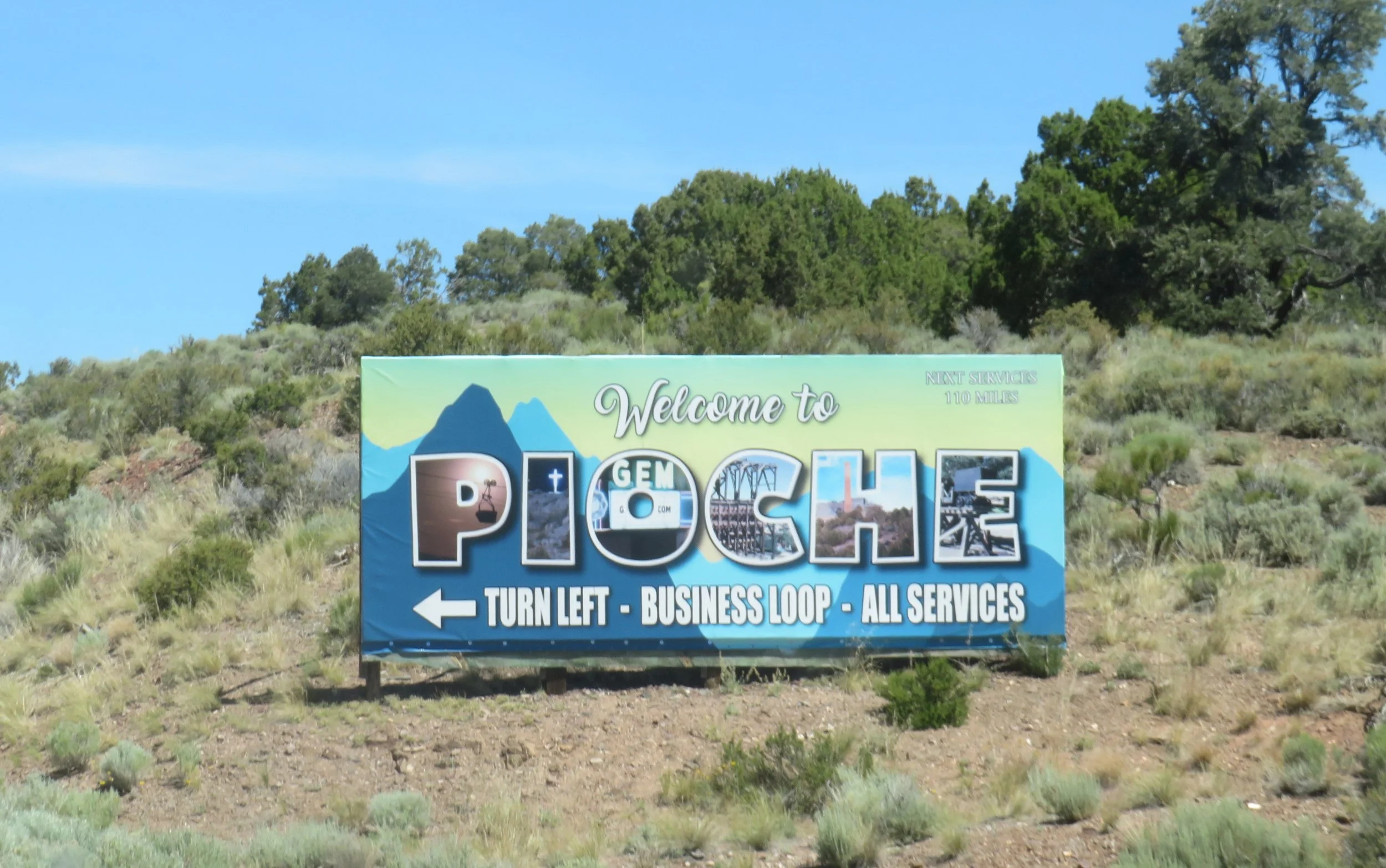
Approaching from the south on NV-321, we saw the sign welcoming us to Pioche.
Our free subscription to Travel Nevada has inspired us to visit lots of towns and out-of-the-way places that we’d never have known about or visited otherwise. Many times we’ve whizzed past a town on our way to somewhere else, unaware of what there was to see there. So, on our way back from Cathedral Gorge State Park, we decided we’d stop in Pioche after having just read an article about why it might be worth a visit.
Pioche (that’s Pee-oh-sh… we were corrected on the pronunciation) is a town of about 900 people located about 9 miles north of Cathedral Gorge. The town was named after the Frenchman, François Louis Alfred Pioche, a land speculator and financier, who in 1869 bought the silver mining settlement established there in 1864 and developed it into one of the most important silver-mining towns in Nevada by the early 1870s. The town was remote and isolated, and where previously Indian raids were common, it now earned a reputation for being one of the roughest towns in the Old Wild West.
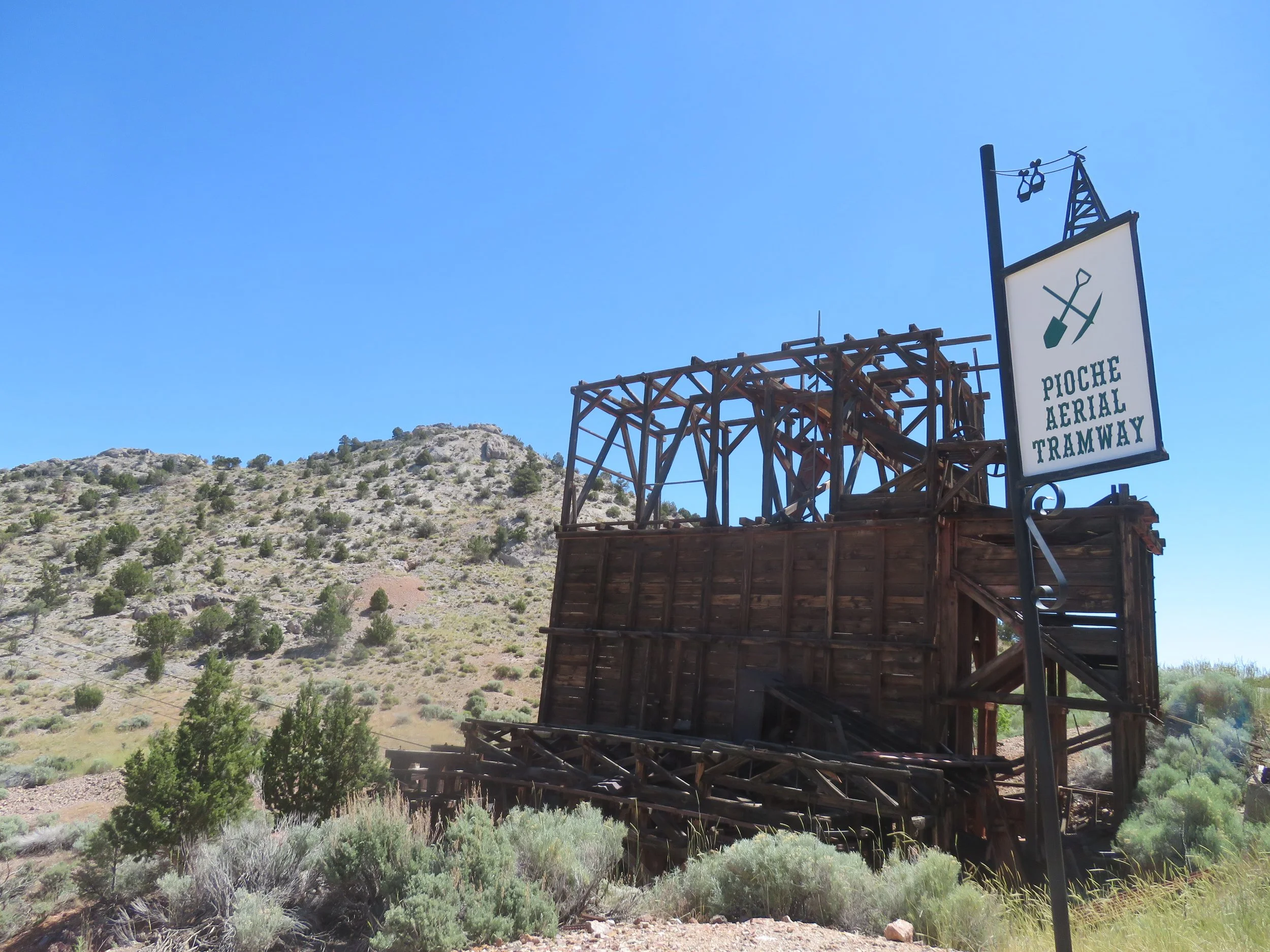
Approaching from the south on NV-321, we saw the sign welcoming us to Pioche. It was hard to miss the Pioche Mines Company aerial tramway located on Treasure Hill overlooking the town. Built in the 1920s, this gravity-powered tramway was constructed to carry silver ore from the mines to the Godbe Mill for processing. Pioche’s tramway is the only surviving tramway of its type in the state.
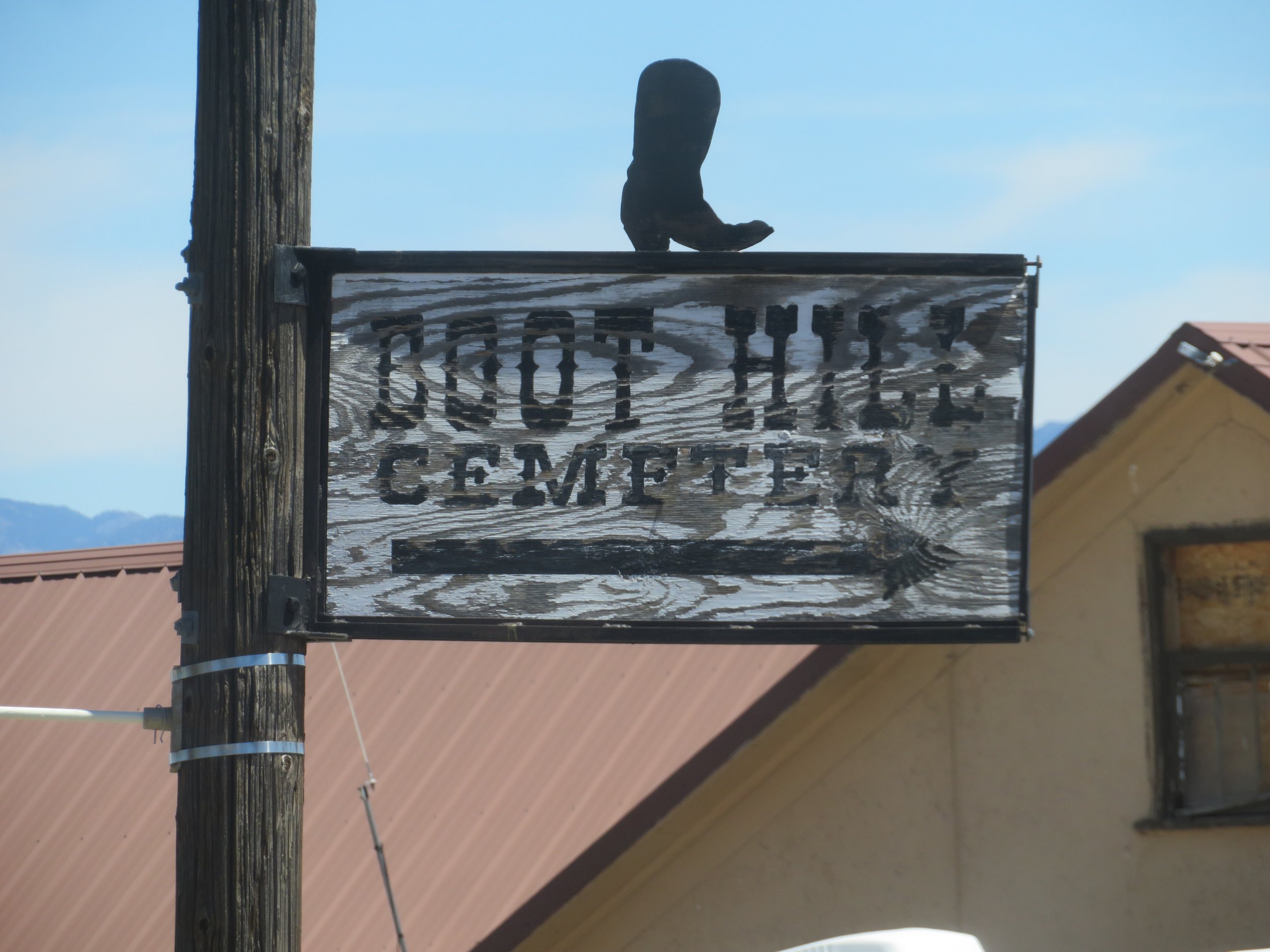
Having read about Pioche’s lawlessness. David headed directly to Boot Hill. A weathered sign pointed us in the direction of the cemetery.
A narrow strip of parched, rocky land is all that remains of the town’s Boot Hill, located next to and outside the fence of the well-maintained town cemetery. Wooden towers of the aerial tramway border the other side. This section was referred to as Murderer’s Row.
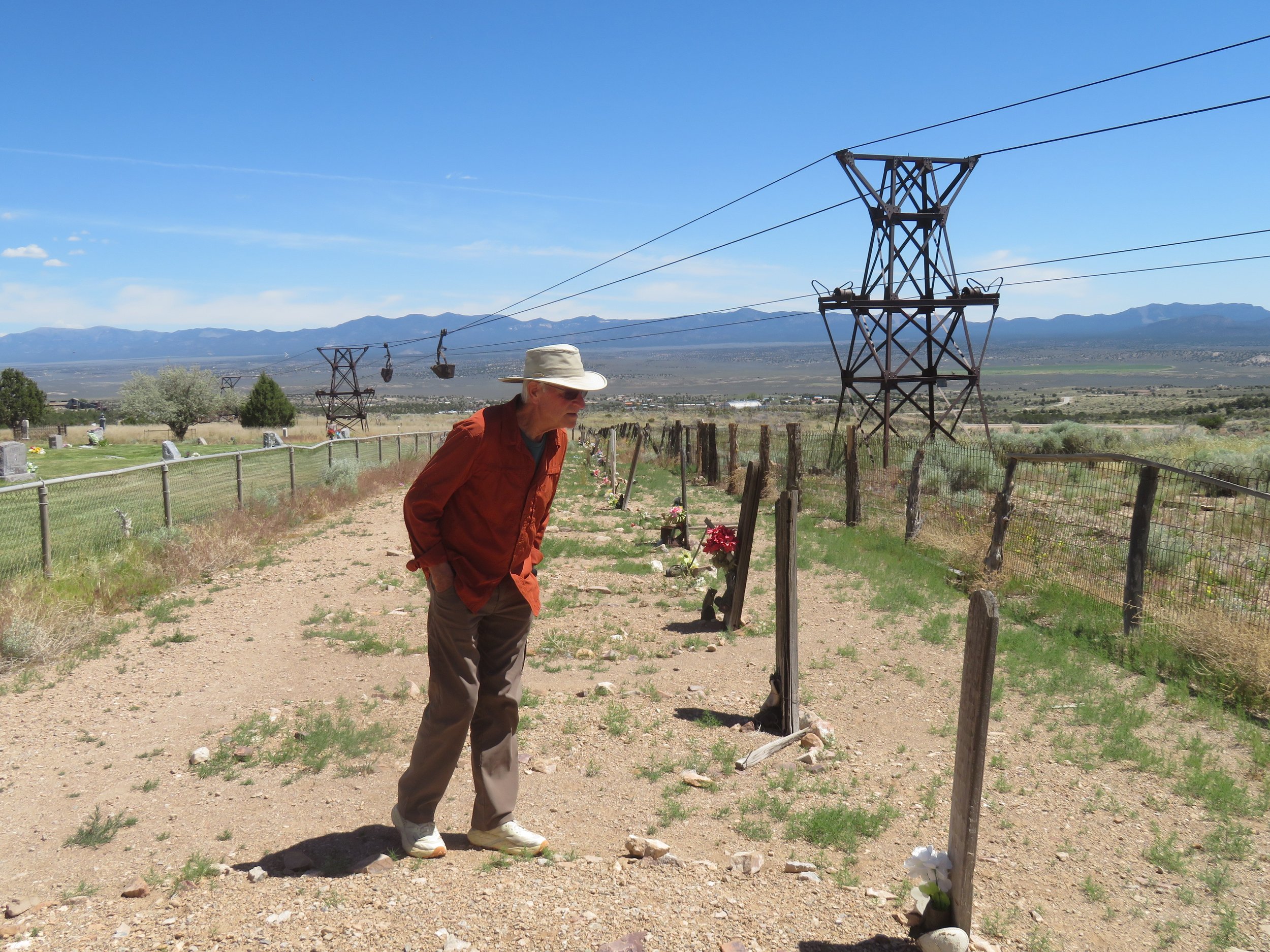
The wooden markers are in sad shape, with faded fake flowers decorating some. It was difficult to read most of the markers. We learned that over 100 people were purportedly buried there. The town’s website declares, “the streets of Pioche ran so red that an astonishing 72 people were laid to rest—with their boots on—before someone actually died of natural causes.” David will provide more details in an upcoming blog.
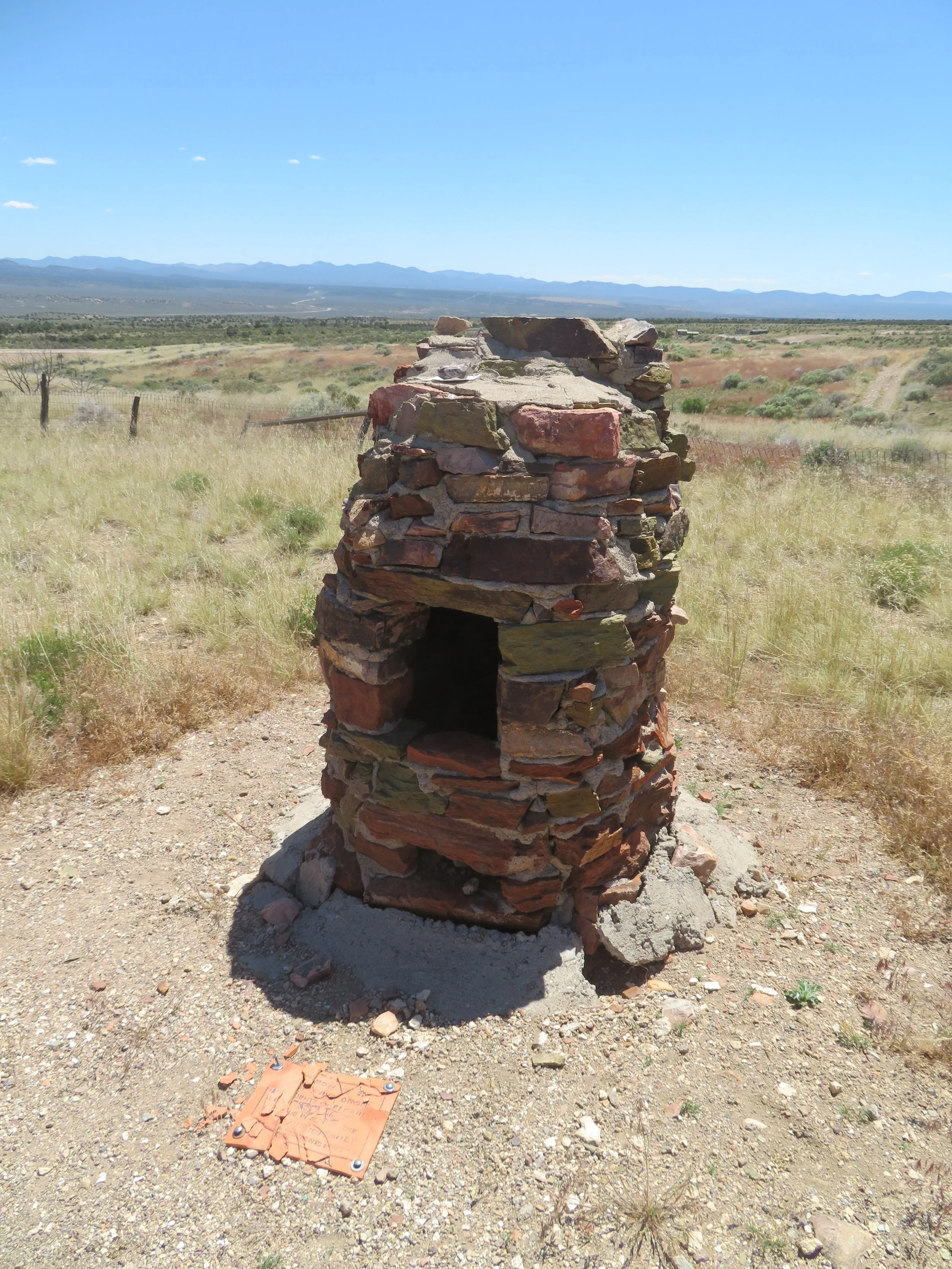
Separate and distinct from Boot Hill was the Chinese cemetery. Only the small stone tower of the Chinese oven remains, which, according to the caretaker at the cemetery, traditionally held spirit food for the dead. A plaque lay in pieces below the oven. No grave markers or graves were discernible.
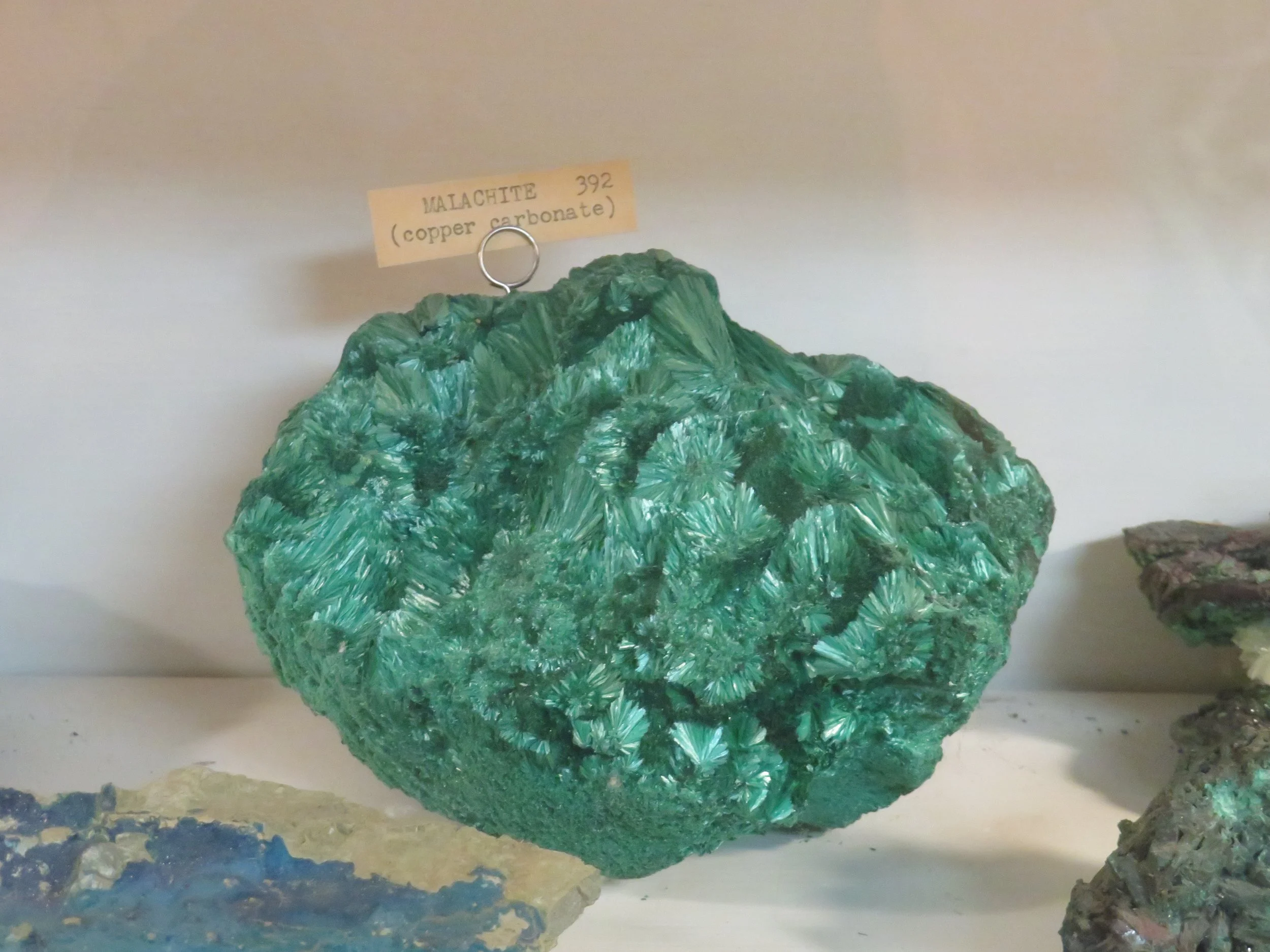
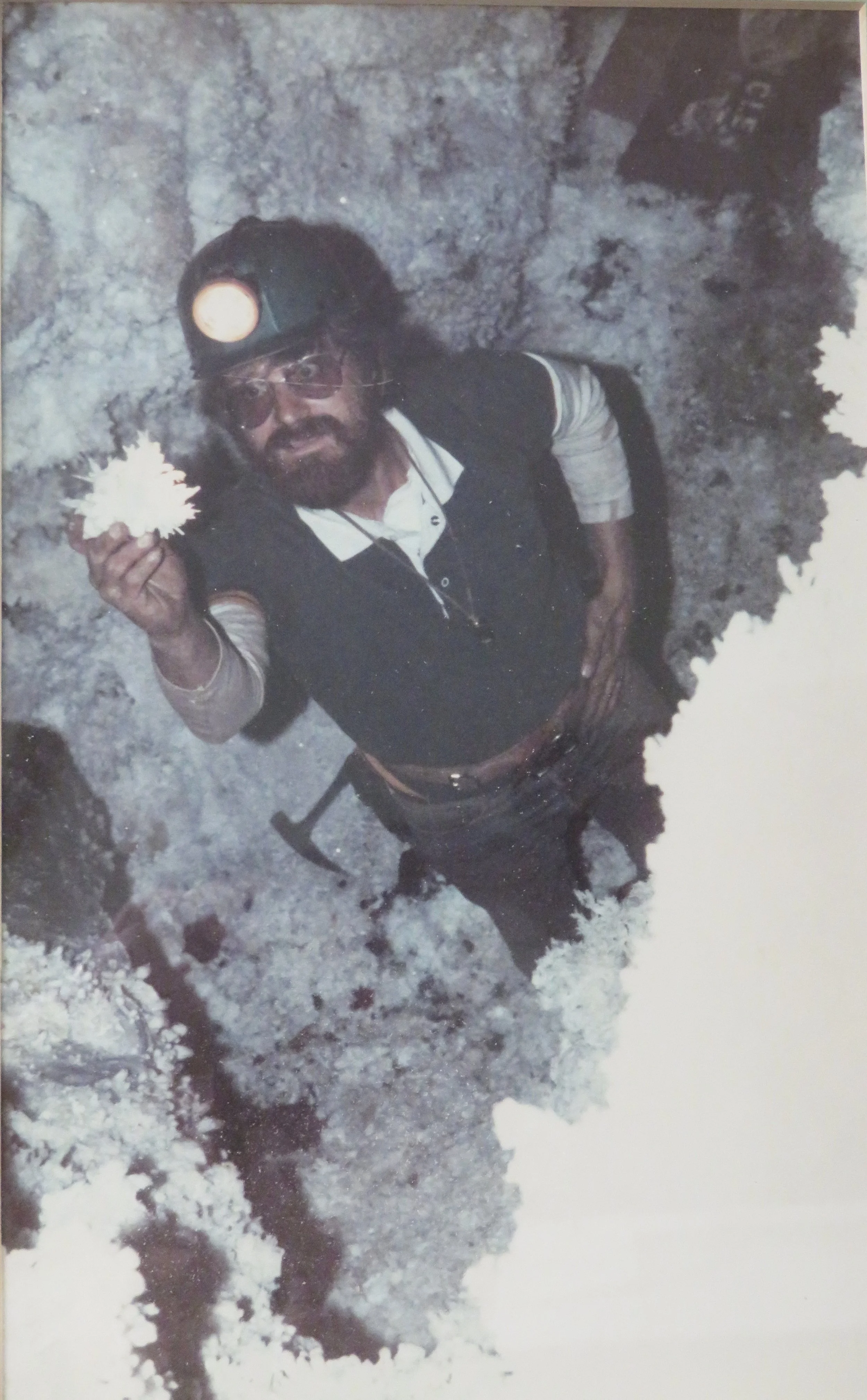
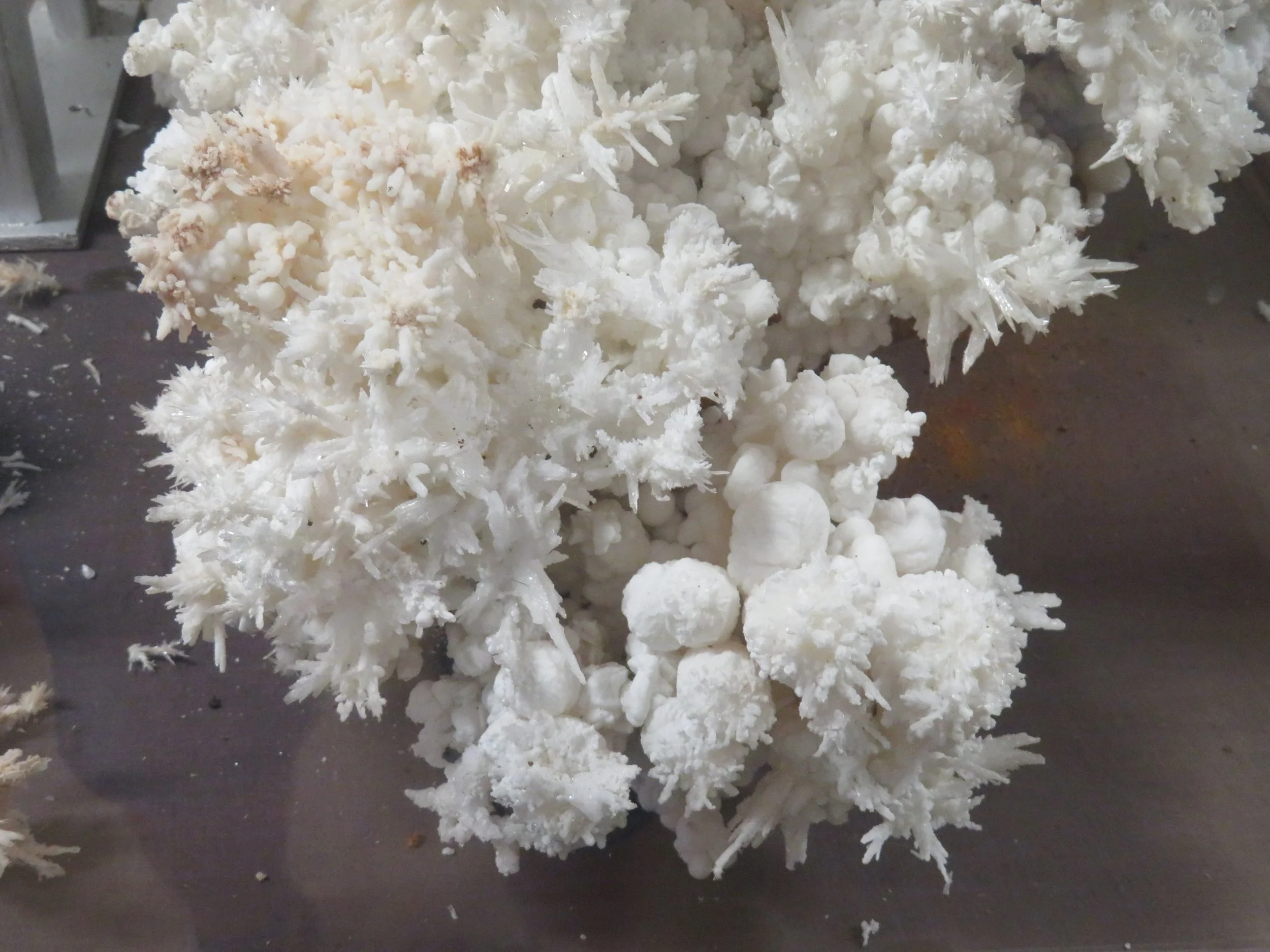
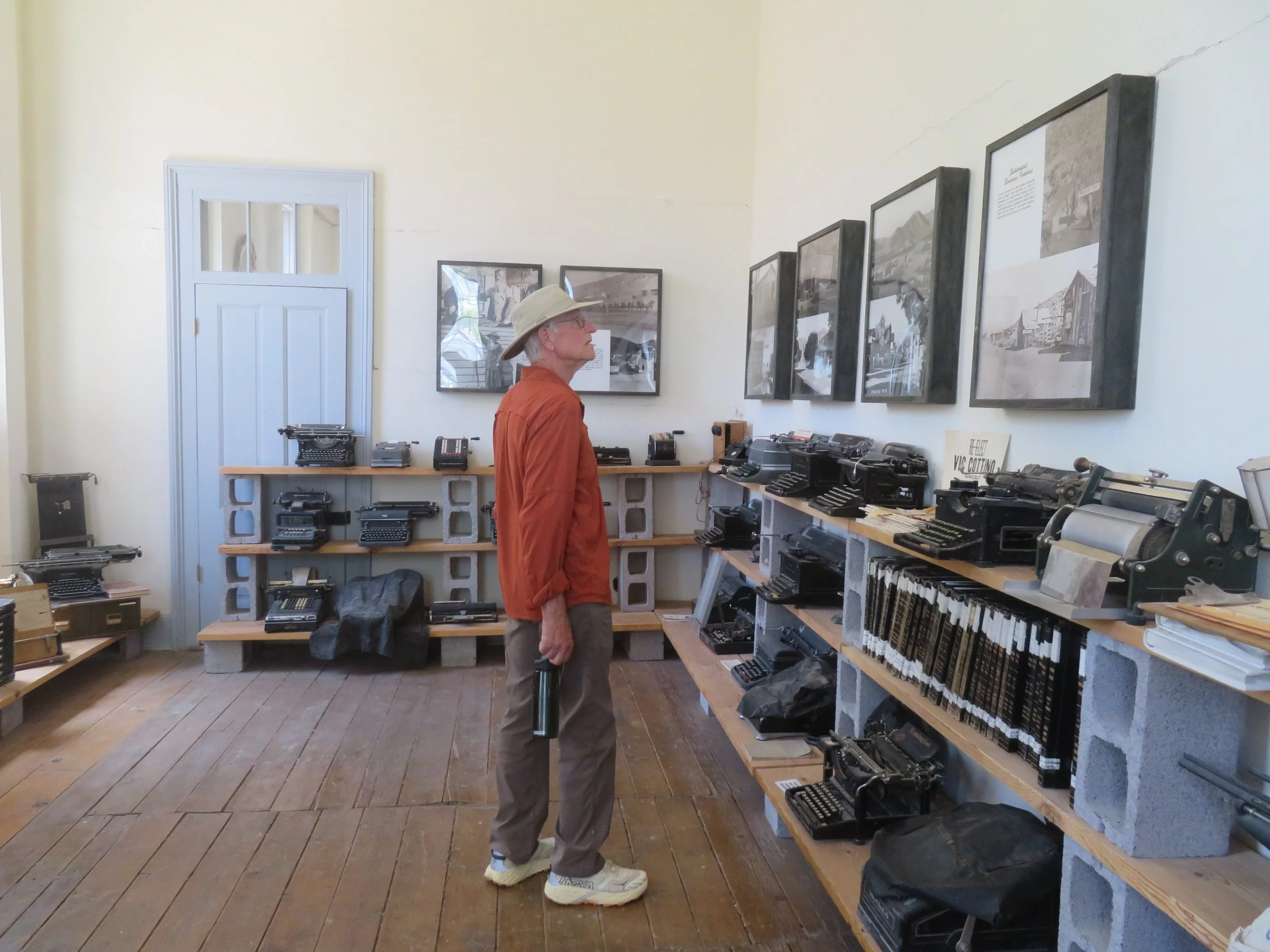
We returned to Main Street, parked Blanche, and began our self-guided walking tour of Pioche. First stop, the Lincoln County Historical Museum. Located in a 1900-vintage historical building on Main Street, it was once a mercantile and clothing store before being donated to the county for use as a museum. The museum houses exhibits on Pioche’s and southeastern Nevada’s history, including Native American, Chinese immigrant, and pioneer heritage, mining tools, mineral specimens, antique furniture, vintage musical instruments, and a great display of the varied minerals and gems unearthed in the nearby mines.
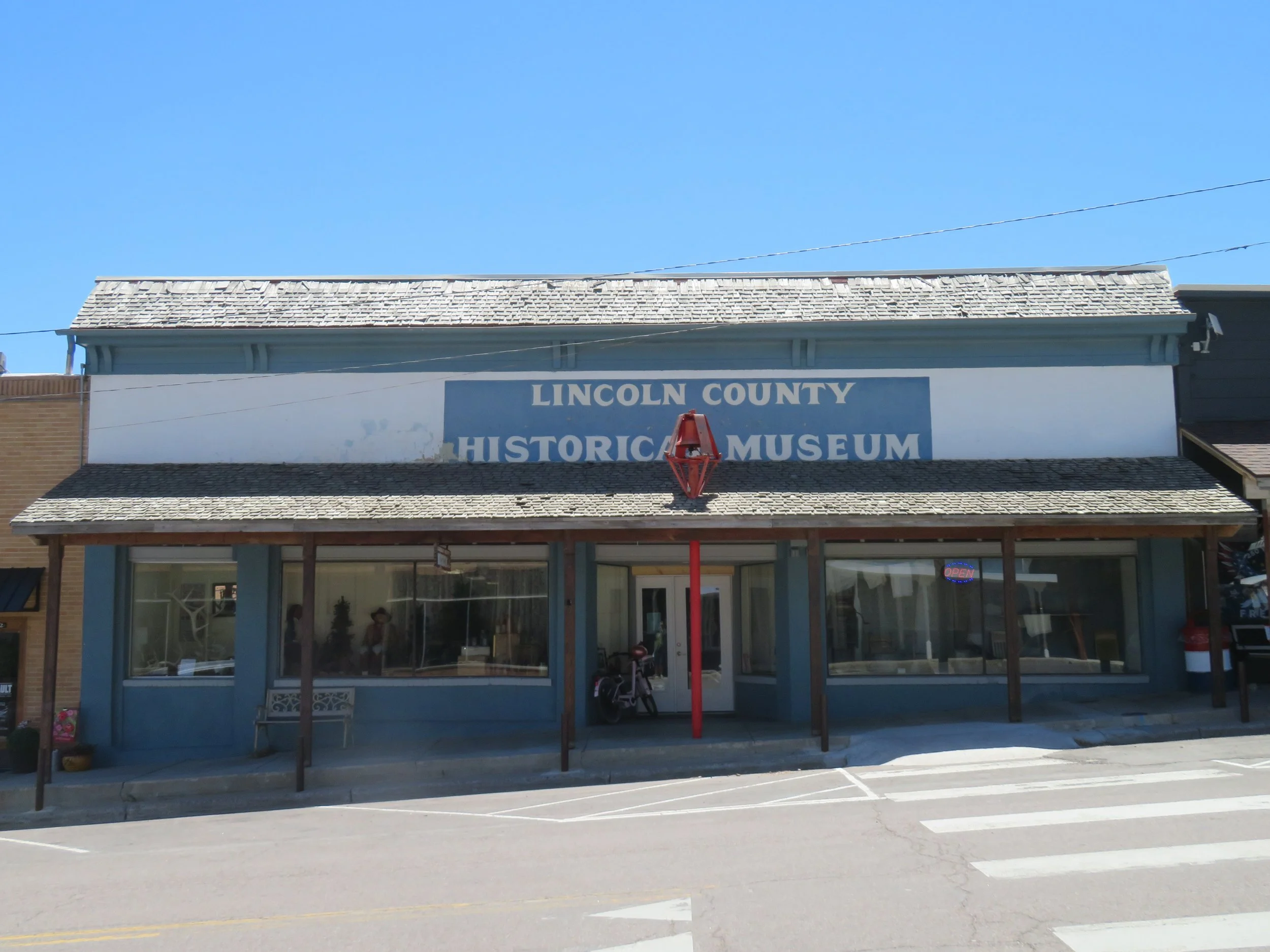
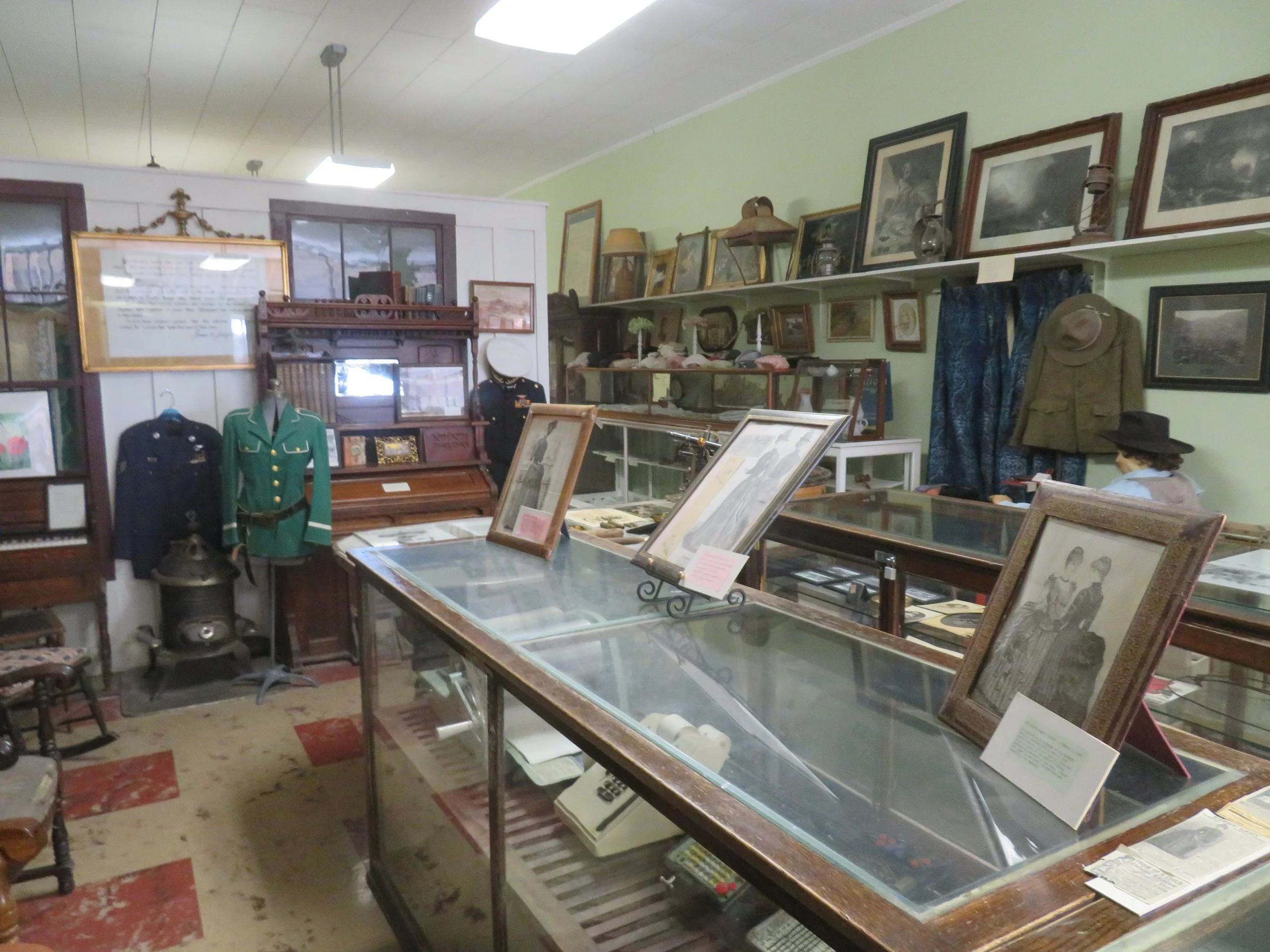
The museum is open daily, and there is no admission though donations are welcome. Emily was our hospitable, knowledgeable docent, and after a brief introduction, allowed us to wander the two large rooms of memorabilia and artifacts on our own. The place was chock-a-block full.
The geology section was particularly interesting, with fluorescent minerals on display under a blacklight. The sign indicated they were all from New Jersey. Huh?
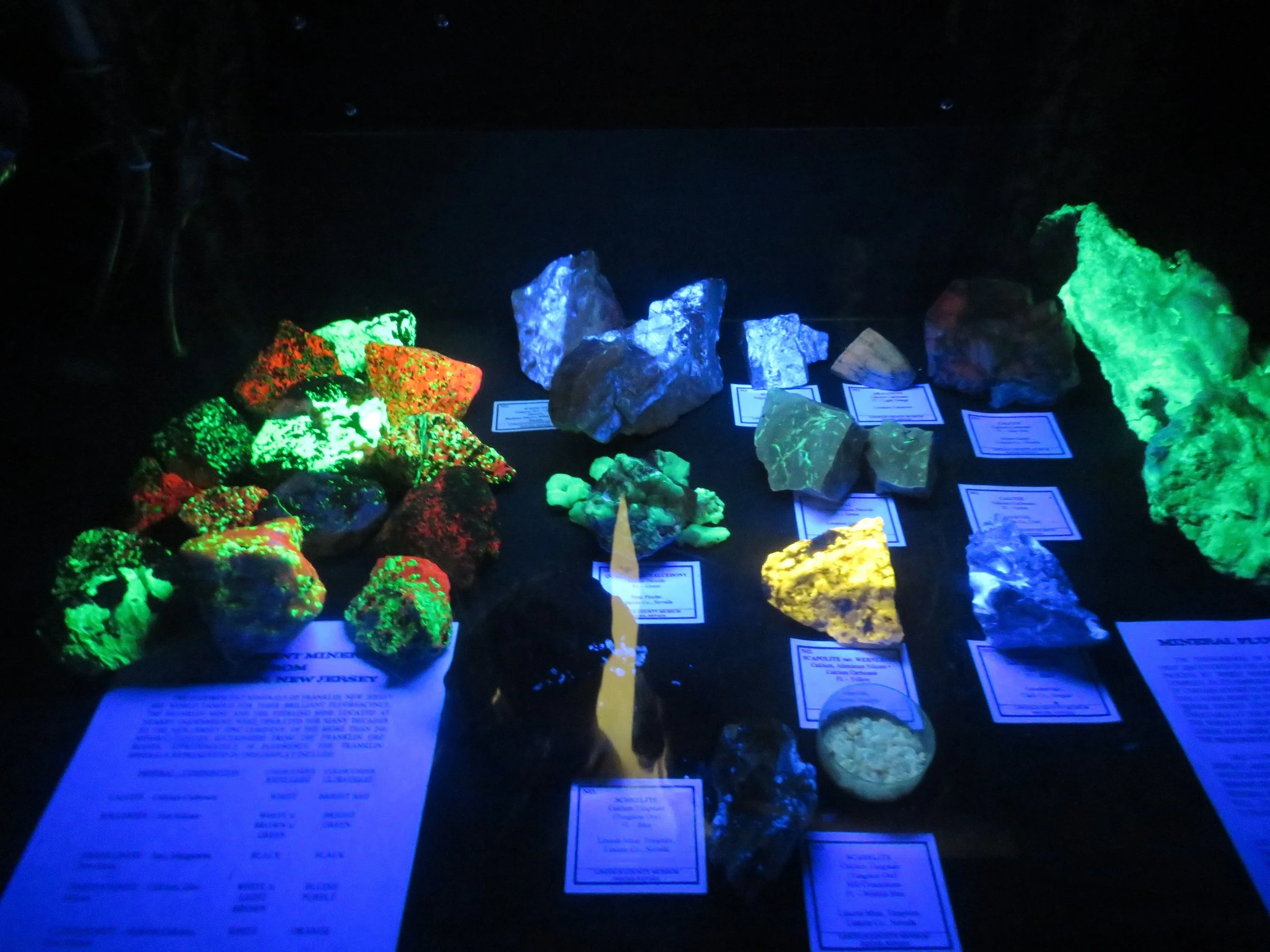
Huge chunks of glittering crystals, rich green malachite and other mineral specimens sat in display cases.
Next on the tour was the Million Dollar Courthouse. Emily wasn’t sure there was anyone there, so she called to make sure we could get in. Sure enough, volunteer Ken was on duty and proved to be every bit as hospitable and knowledgeable as Emily.
As Pioche grew and became the county seat of Lincoln County, it needed a courthouse and jail. Nicknamed ‘The Million Dollar Courthouse’, Pioche’s original courthouse was built in 1872 at a cost of ~$75K, significantly over the original estimate of $26,400. Over the years, the town refinanced the building with bonds that took decades to repay. It was finally paid in full in 1938, the same year the new Lincoln County courthouse was built. The total cost to the town was over a million dollars. Today, the Courthouse is a small museum and a draw for tourists visiting the town.
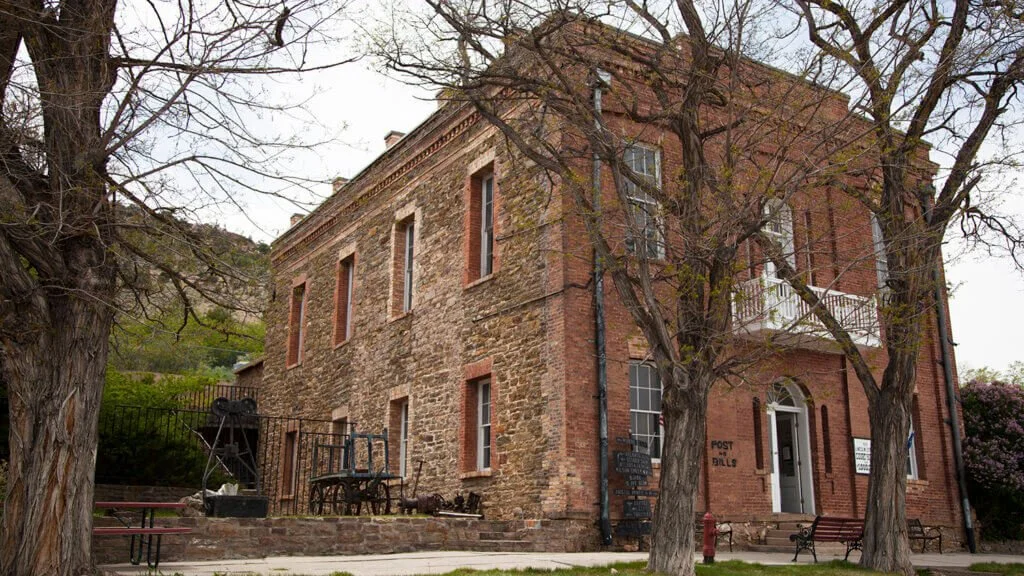
The Million Dollar Courthouse
At the Courthouse, two levels are open to visitors, and we wandered from room to room, checking it out.
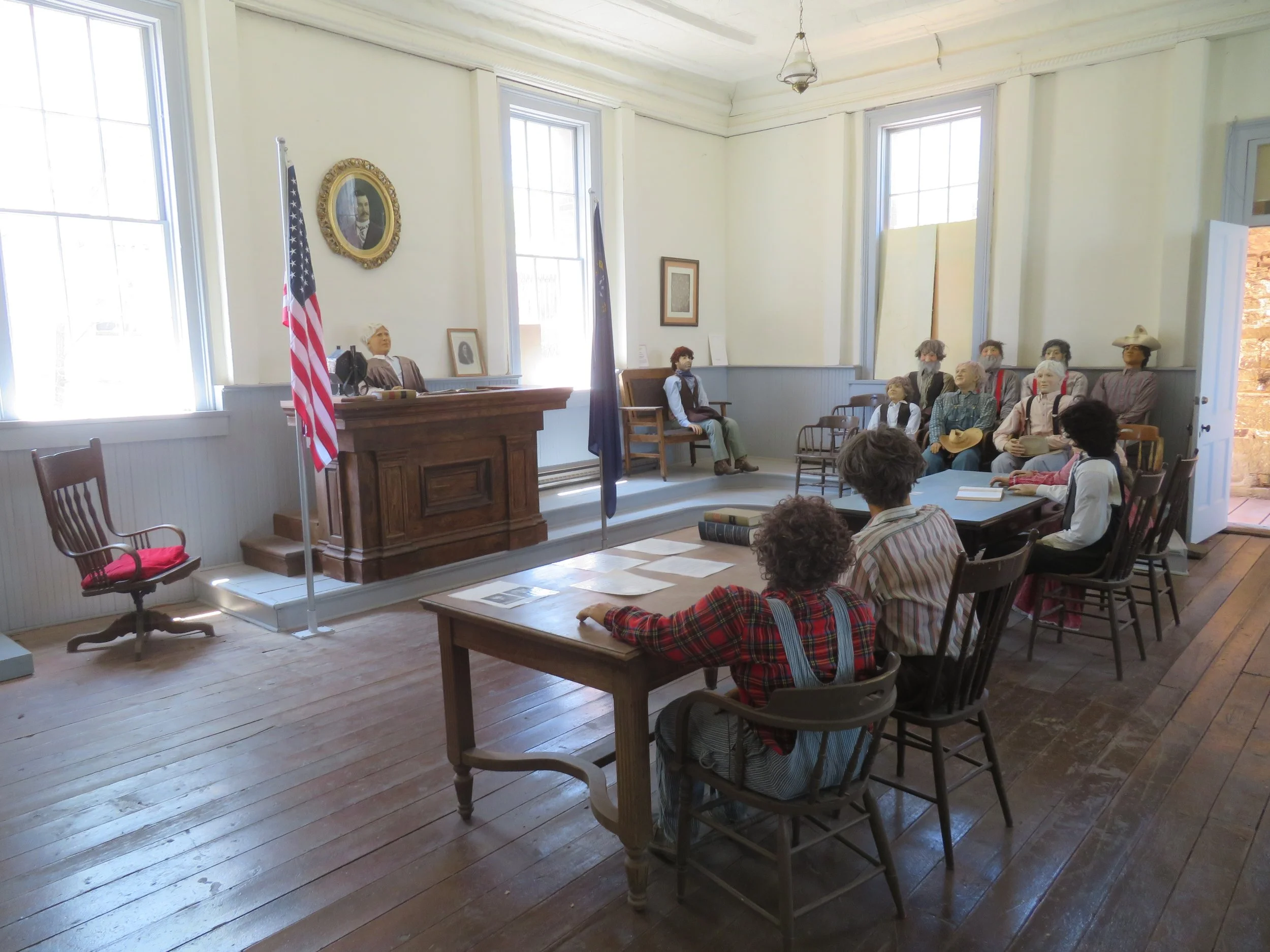
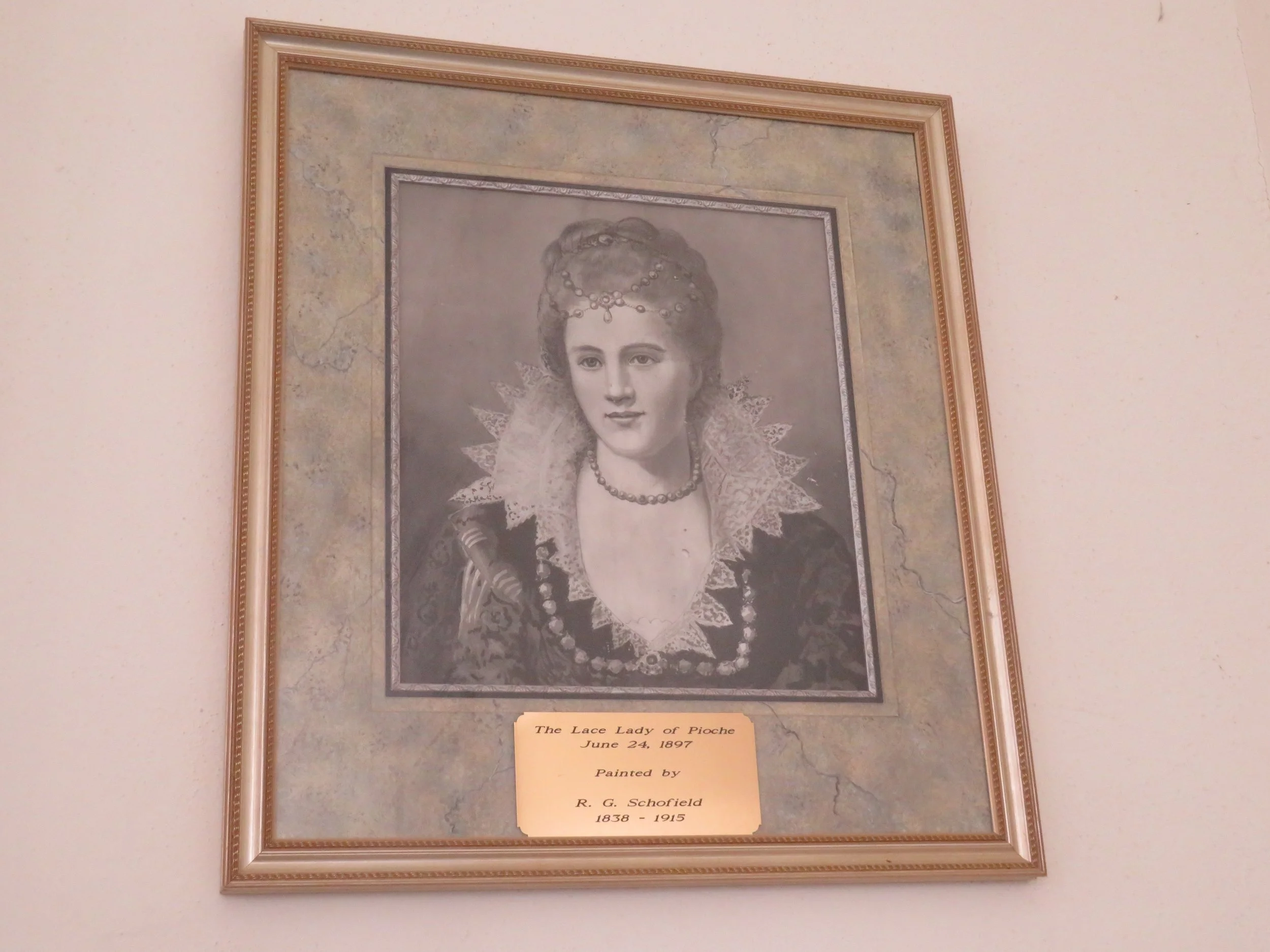
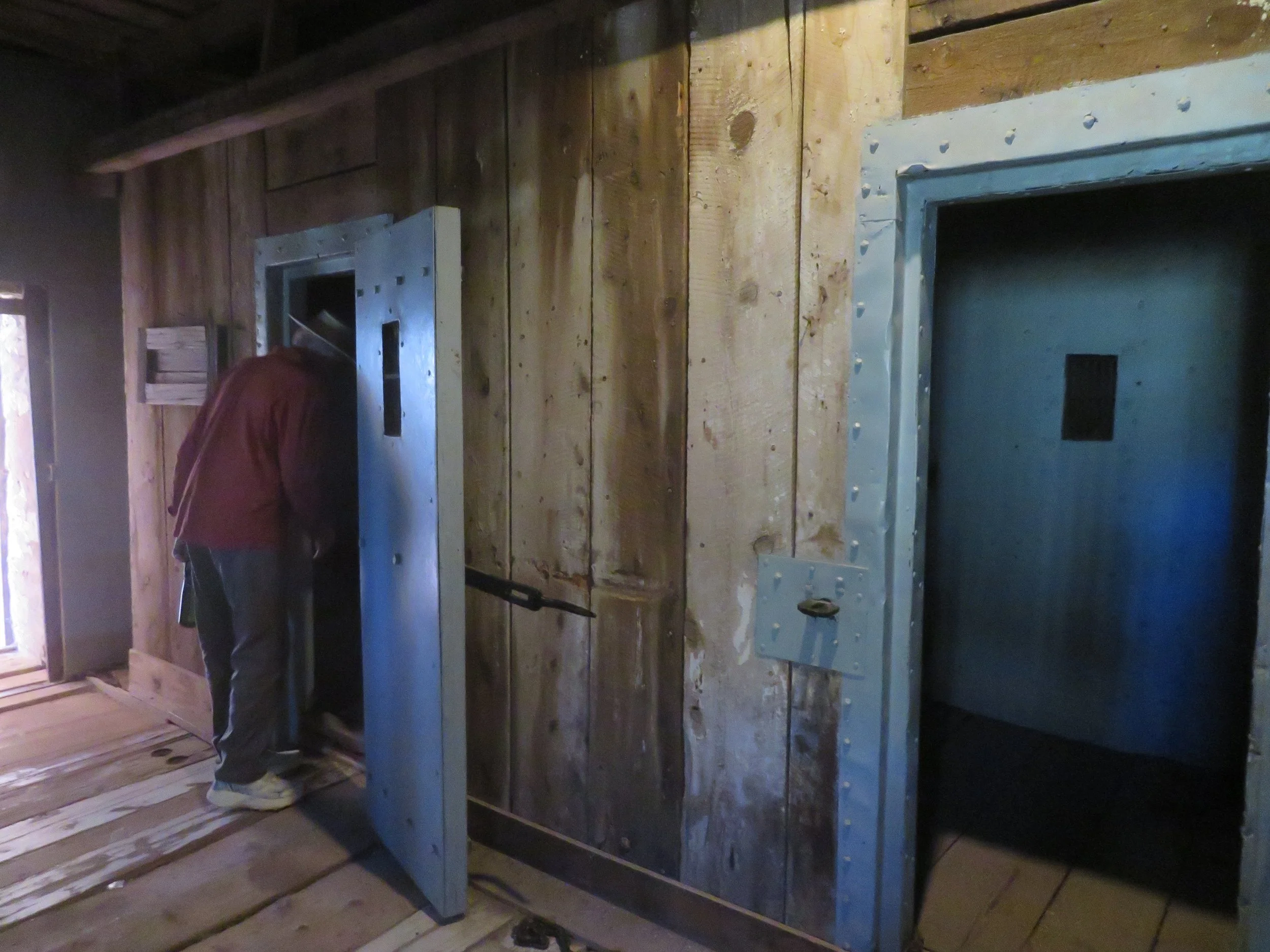
We climbed the old, well-worn wooden staircase to the second floor, which offers a mock courtroom along with a great display of the watercolors and portraits of R. G. Schofield, watchmaker and jeweler in Pioche from 1879 to 1915. Also on the second floor was the old jail. We peeked inside.
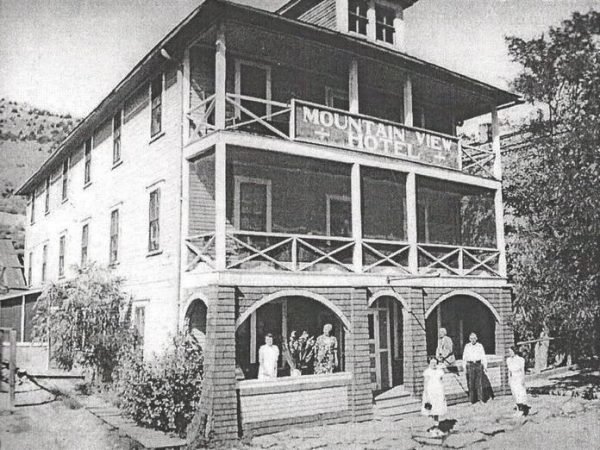
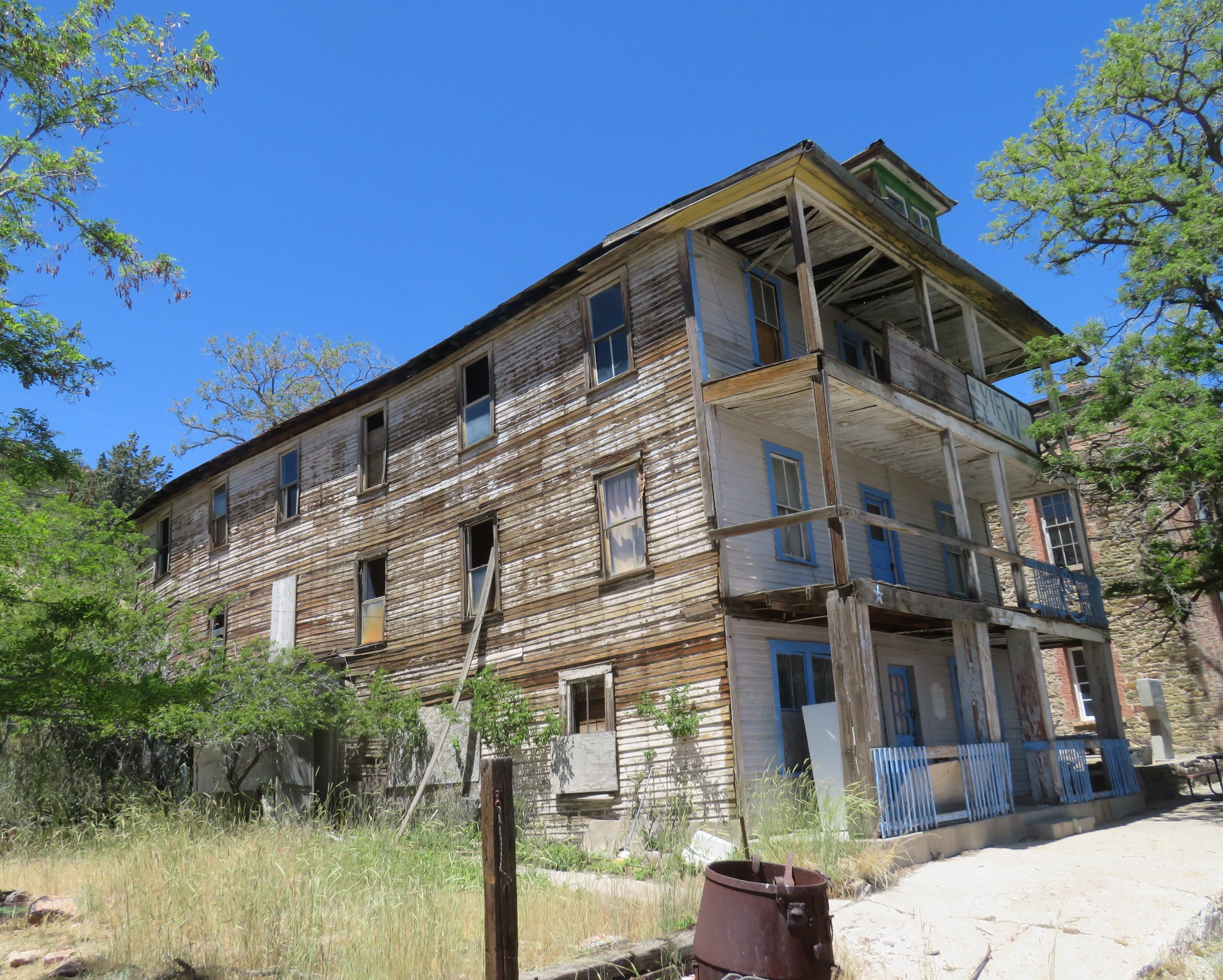
Next door to the courthouse, we passed the Mountain View Hotel, an example of turn-of-the-century western architecture. Built in 1895 by the Ely Valley Mines to house guests, the hotel had three stories and 18 well-appointed rooms. It was quite an elegant place. Herbert Hoover was a guest once, as were U.S. Senators, Nevada governors, mine executives, and even the courthouse juries on occasion. After years of neglect, the building is a wreck and beyond renovation.
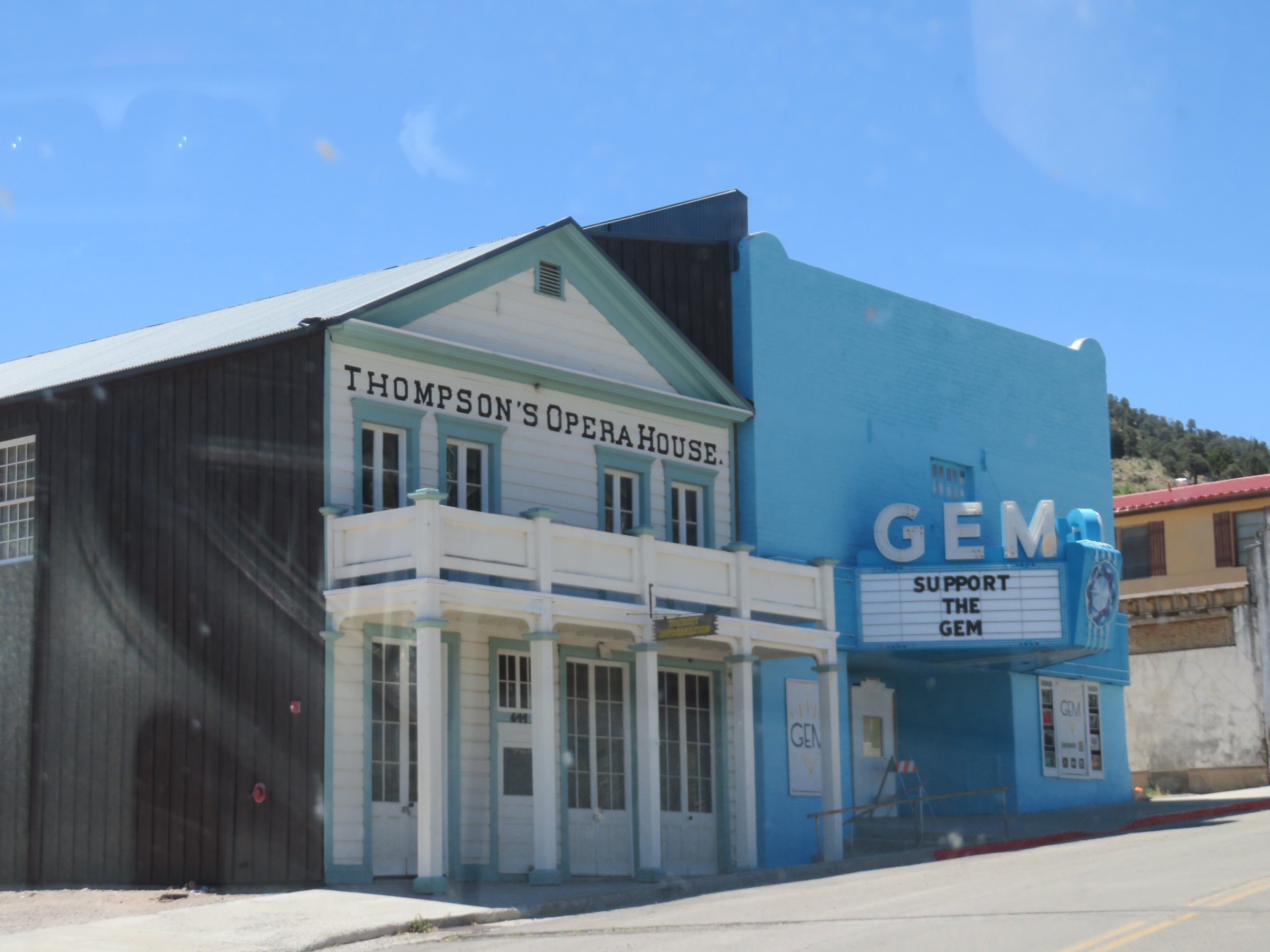
On our return route to Blanche, we wandered along Main Street, checking out several historical buildings. Thompson’s Opera House was built in 1873 and restored in 2009. The Gem Theater was constructed in 1937 and is currently undergoing renovation. Neither was open to visitors.
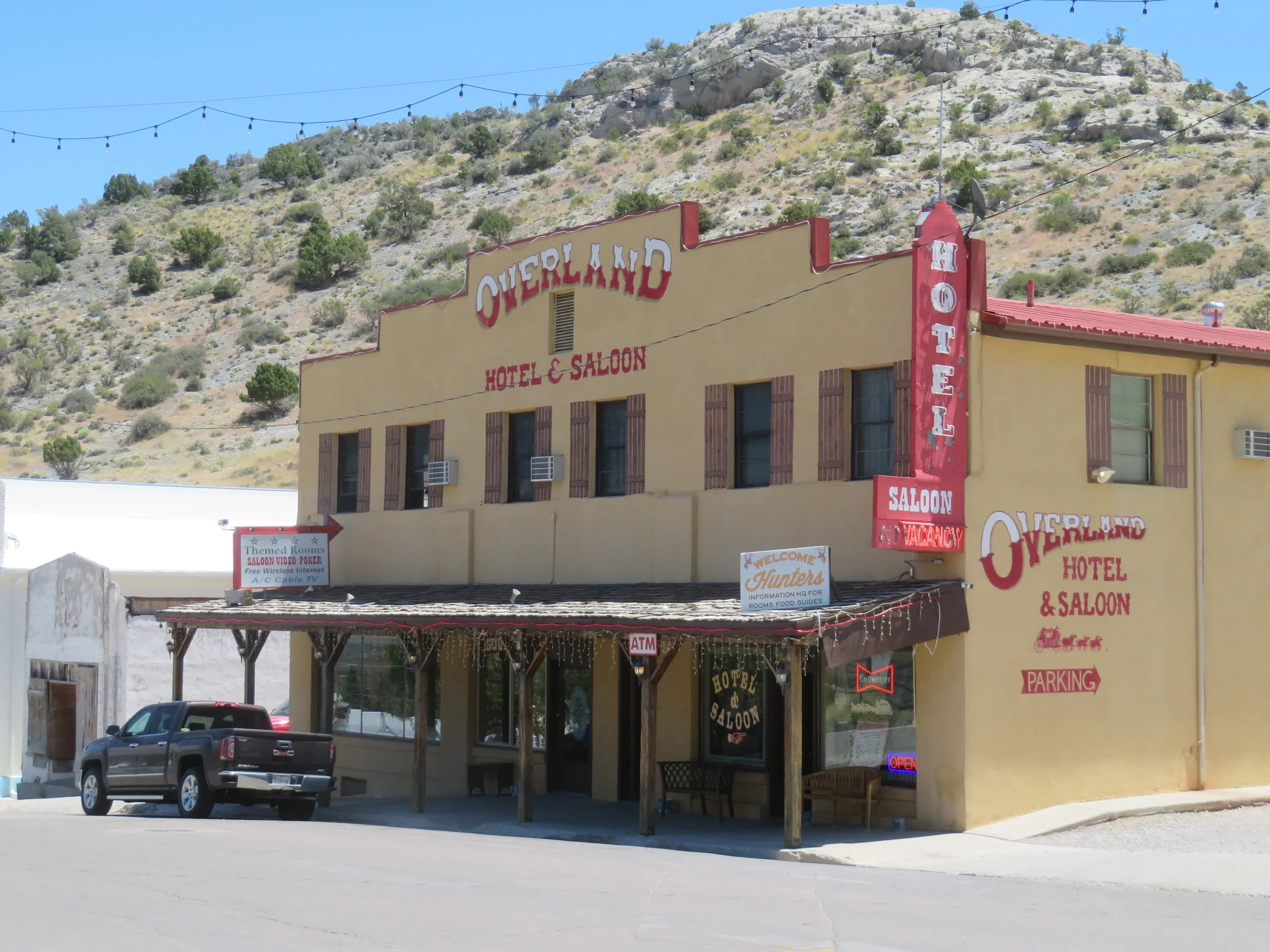
The Overland Hotel in town is still in operation with 14 themed rooms on the second floor over the main saloon. We’d hoped to stop there for lunch, but the dining room was closed.
Further up the street was the Historic Silver Cafe, ‘filling bellies since 1907”. Despite its Open sign, it, too, was closed. It was not unfortunately filling our bellies today.
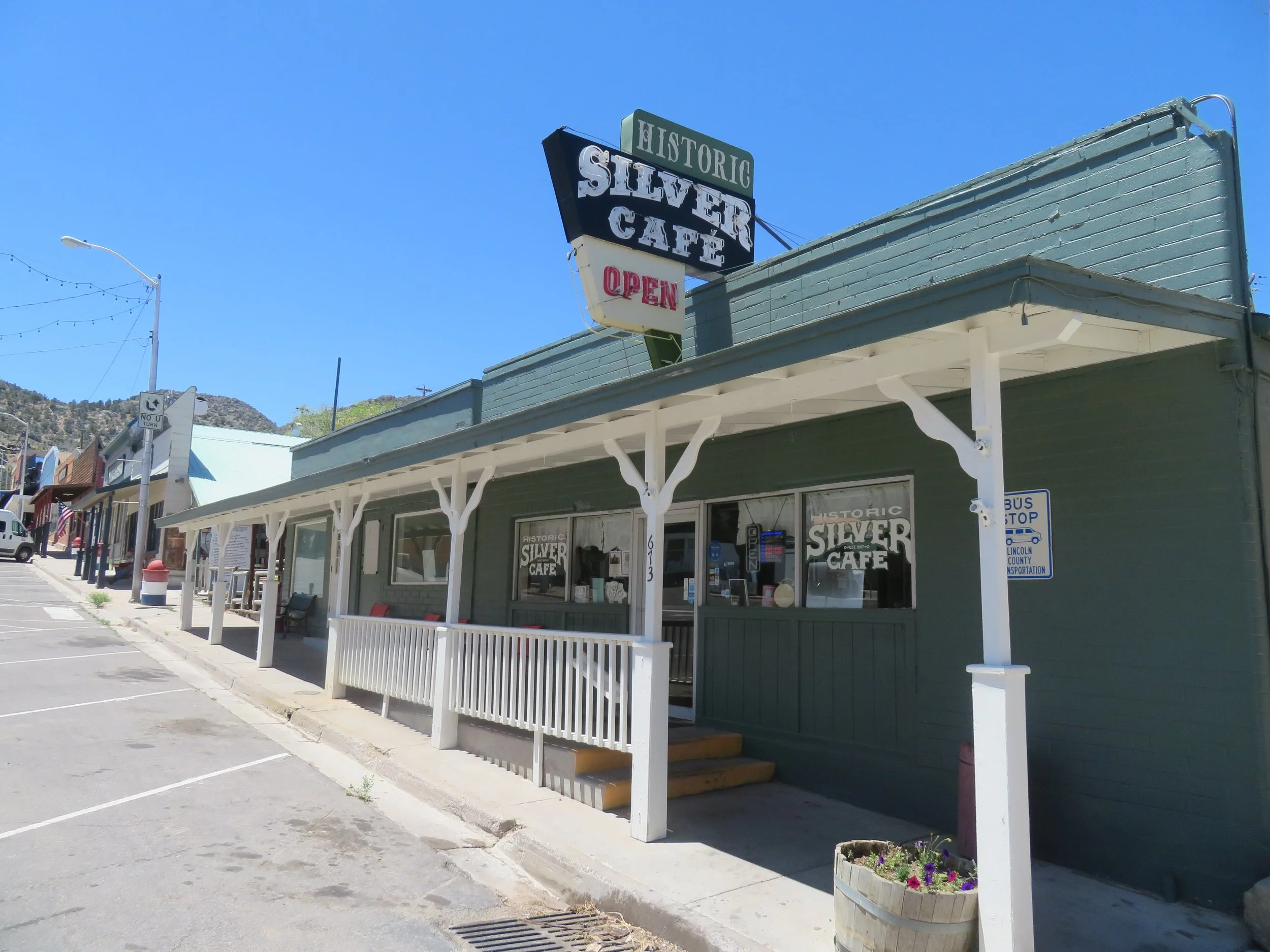
Gunslingers down the road offered sandwiches and subs, but all the tables were occupied, and we weren’t in a waiting mood. We returned to Blanche, rummaged through the fridge for an afternoon snack and parked under a shade tree in the town’s small, but free, RV park.
Hunger assuaged, we found a small park near the ‘new’ county courthouse, built in 1938, with a C&NW RR (Chicago & North Western Railway) engine #279 on display. Built in 1927, this 3-foot-gauge steam locomotive was purchased by the Pioche Pacific RR Company in 1930 for use on its 3-mile Jackrabbit to Pioche Line hauling mine trains, which transported ore and other mine products from the Jackrabbit Mine to the Pioche area for milling.
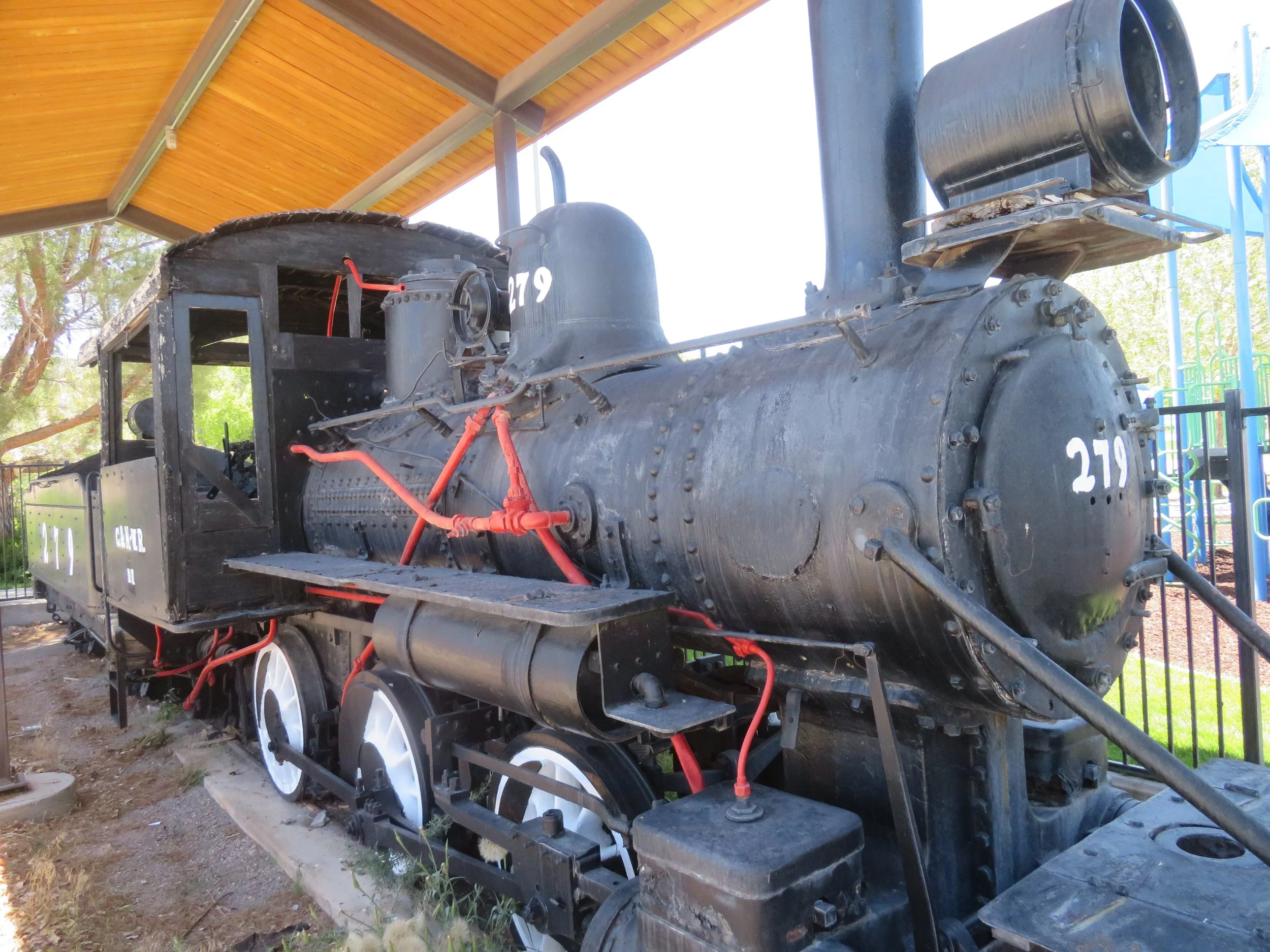
engine #279 Built in 1927
We finished our tour of Pioche and then headed south towards home. Caliente was on our route, amd we decided to stop for a quick look. But that’s another story for another blog.
We’re still on the move, but David will regale you with the lowdown of Pioche’s reputation for violence and lawlessness in his next blog. It’s definitely worth a read.