

The National Orphan Train Museum… Who Knew?
/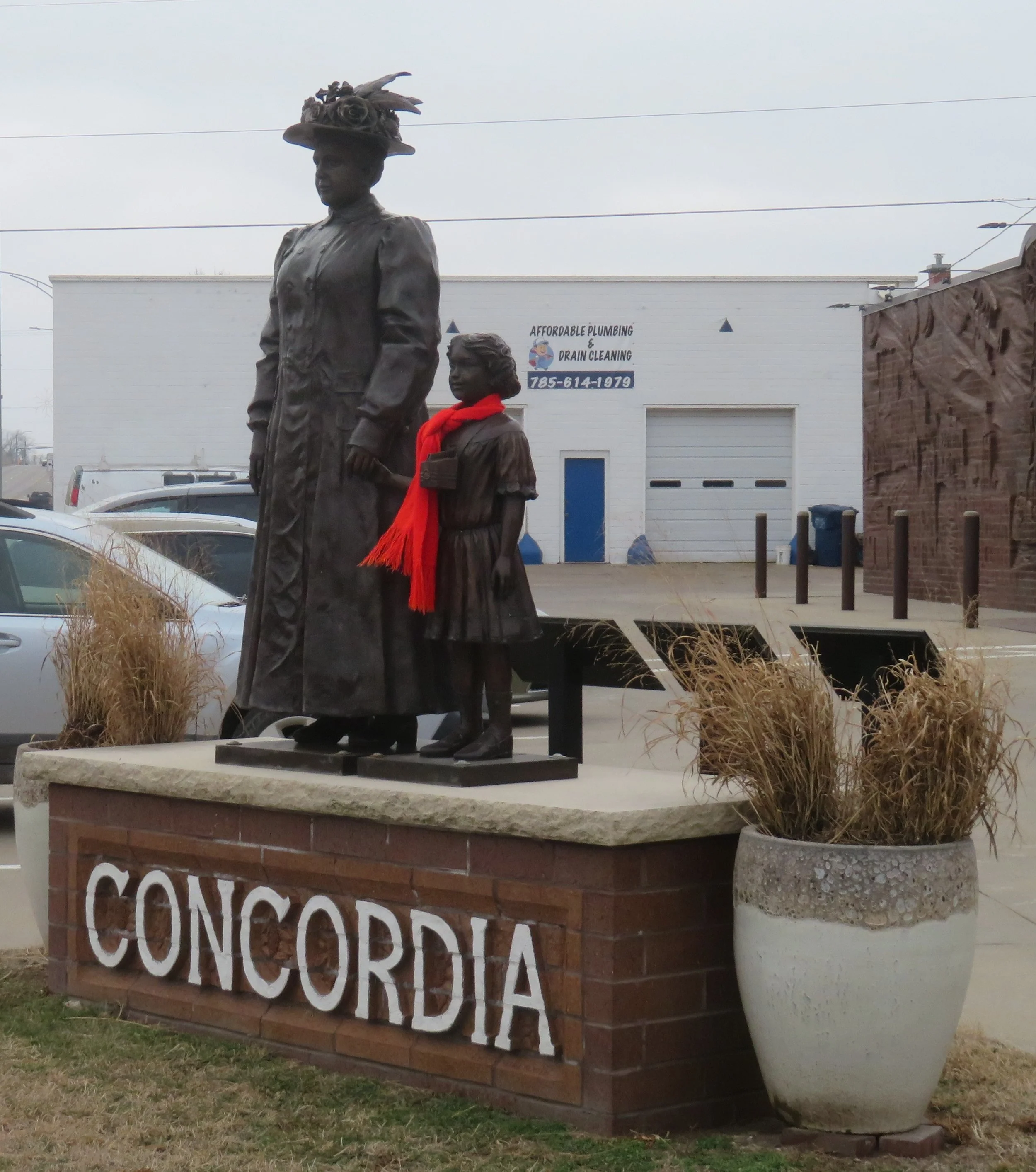
Anna Laura Hill and one of the many orphans she helped to place
Leaving Omaha, we headed south into Kansas. On US-81, David noticed a small roadside sign for the National Orphan Train Museum (NOTC). We whizzed past too quickly to figure out exactly what it was. Is there a museum that collects ‘orphaned’ train cars and displays them? We were perplexed, but decided it was worth stopping in Concordia, Kansas, to learn more.
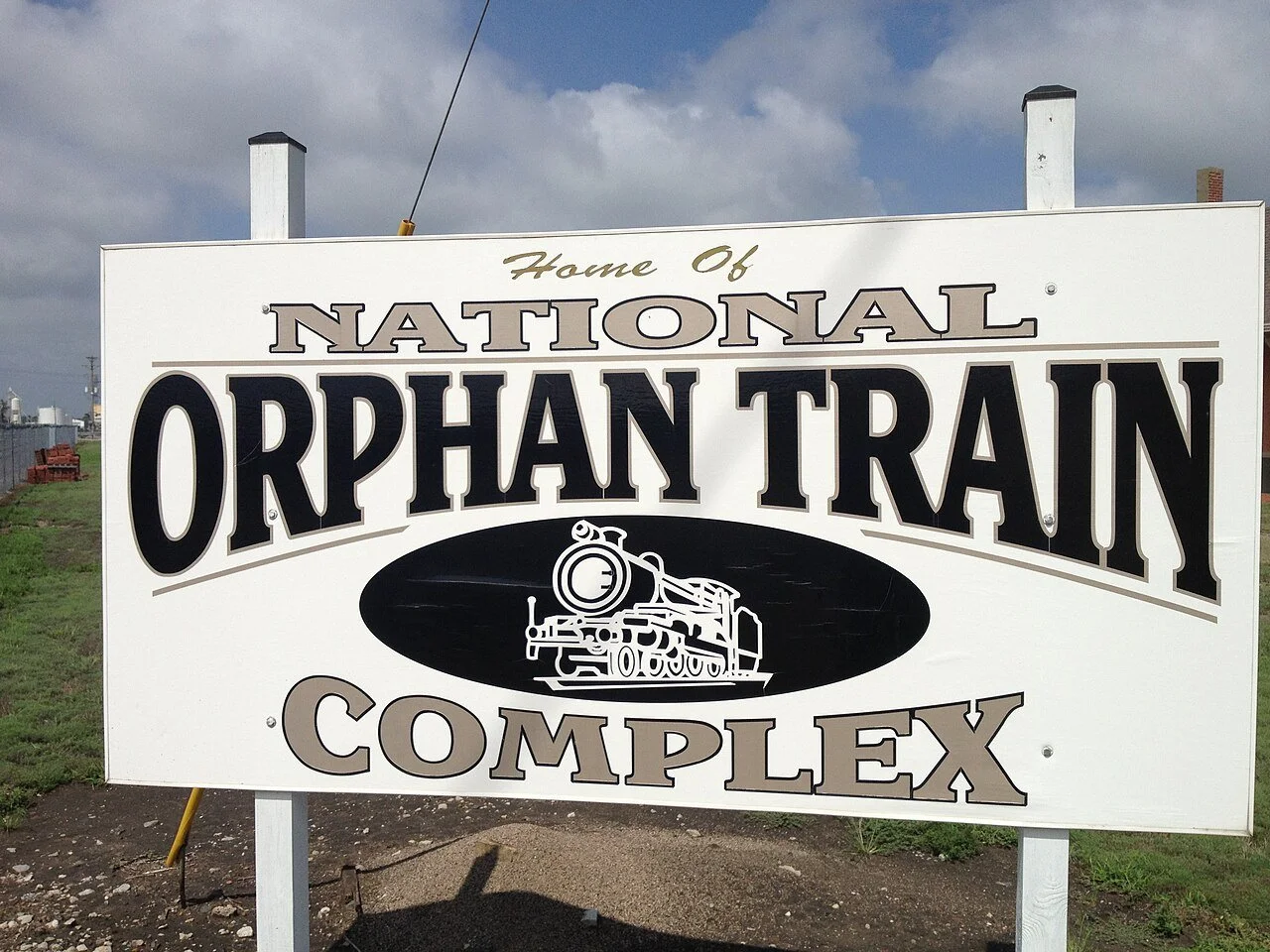
Photo credit Wiki Commons: Paul D. McDonald
Much to our surprise, the National Orphan Train Museum, in their own words, “tells the stories of children of the Orphan Train Movement. Stories that history seems to have forgot. Over 250,000 orphaned or abandoned children were sent west in response to the inadequacies of a welfare system at a time when immigration and overcrowding in New Yorks was overwhelming.” An orphan train for transporting orphans… thousands of them? We were gobsmacked! We’d never heard of it. What could it be?
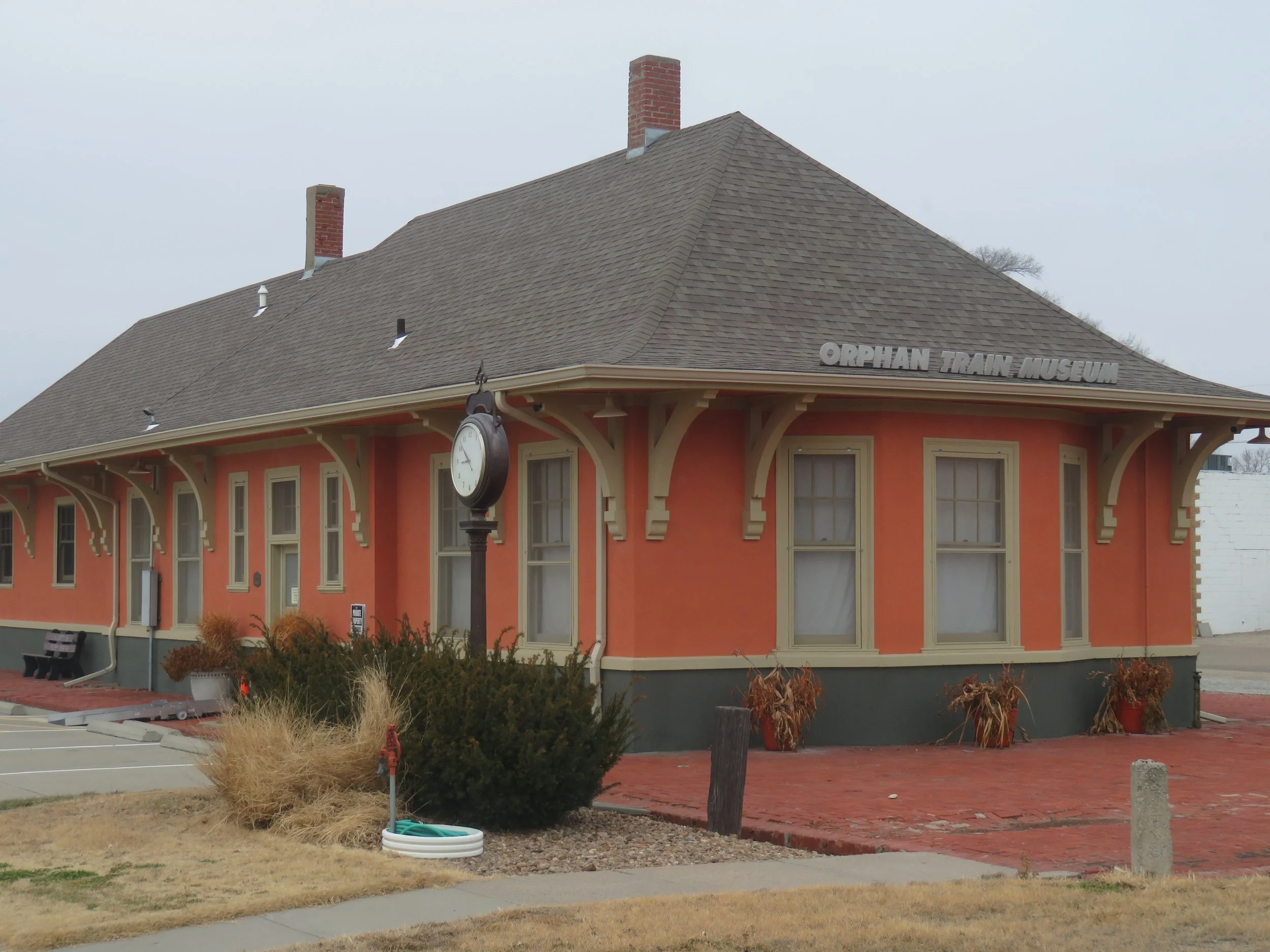
National Orphan Train Museum
Lori Halfhide, Head of Research at the museum’s Morgan Dowell Welcome Center, greeted us warmly and provided an overview of the museum and its work to “collect, preserve, interpret, and disseminate knowledge about the orphan trains and the children and agents who rode them.” We didn’t have time for a full museum tour, so Lori suggested watching the museum’s video, which was quite the eye opener. How could we have never heard of this movement?
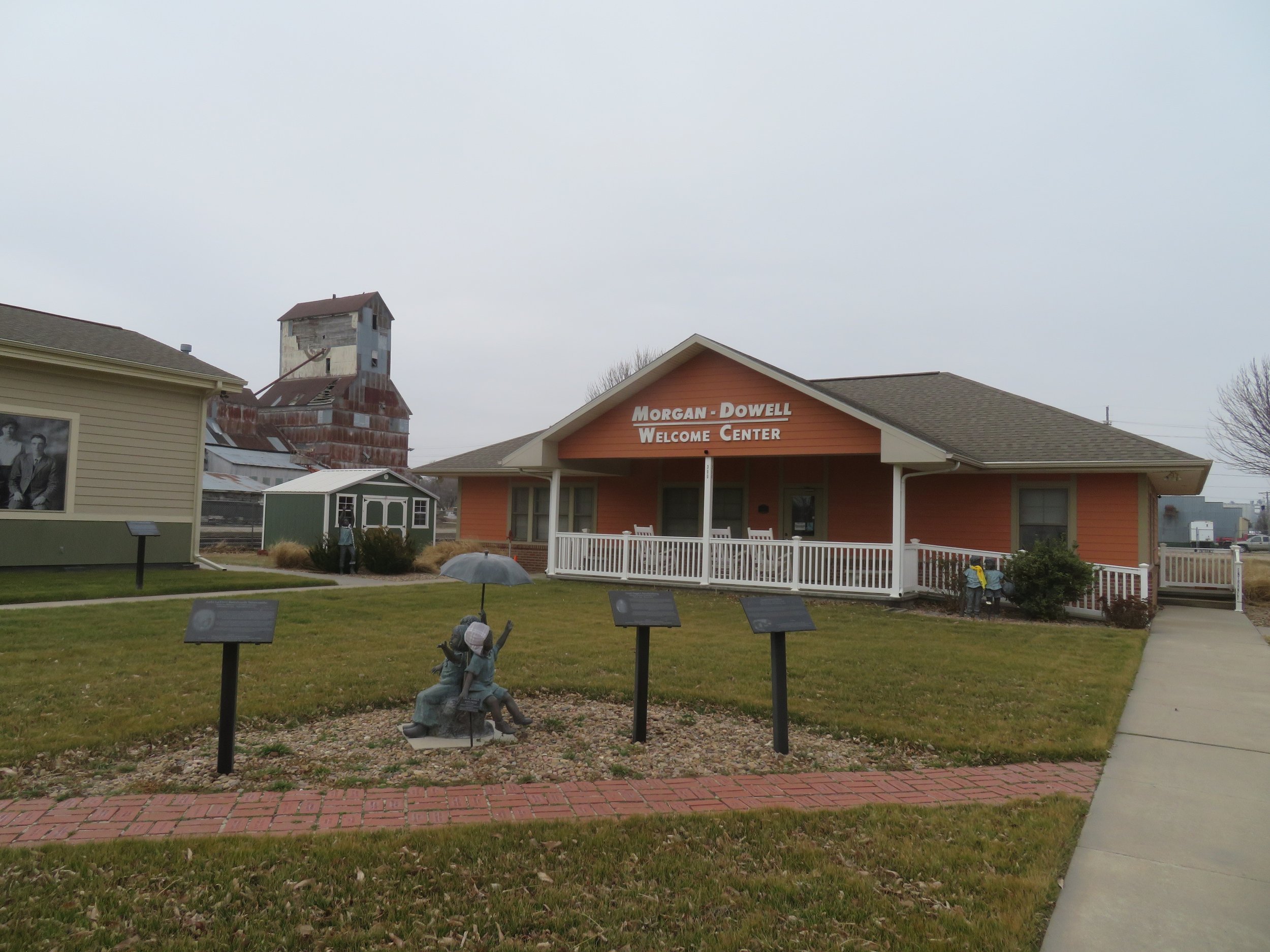
Morgan- Dowell Welcome Center at the National Orphan Train Museum
Between 1854 and 1929, nearly a quarter of a million homeless children were transported from crowded orphanages in the East via train to rural communities in the Midwest and West… a relocation of children unparalleled in human history.
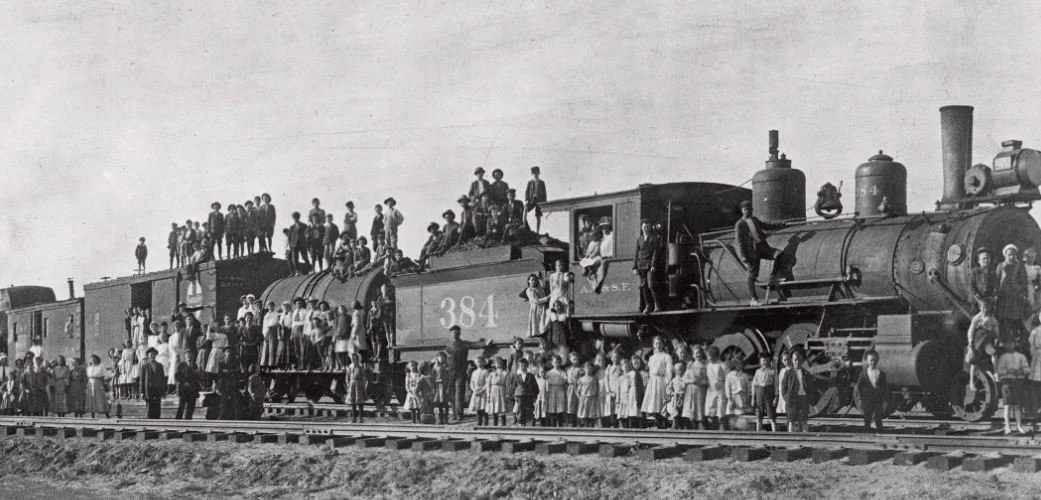
An orphan train - Photo: Mendota Museum & Historical Society
Charles Loring Brace, founder of the Children’s Aid Society in 1853 (a society still in existence), recognized the ineffectiveness and deficiencies of the welfare system. His movement sought to provide alternatives for homeless, abandoned, and neglected children, which led to orphan trains hoping to find families who could provide for these children, and which subsequently led to industrial school training programs and the foster care programs we know today.
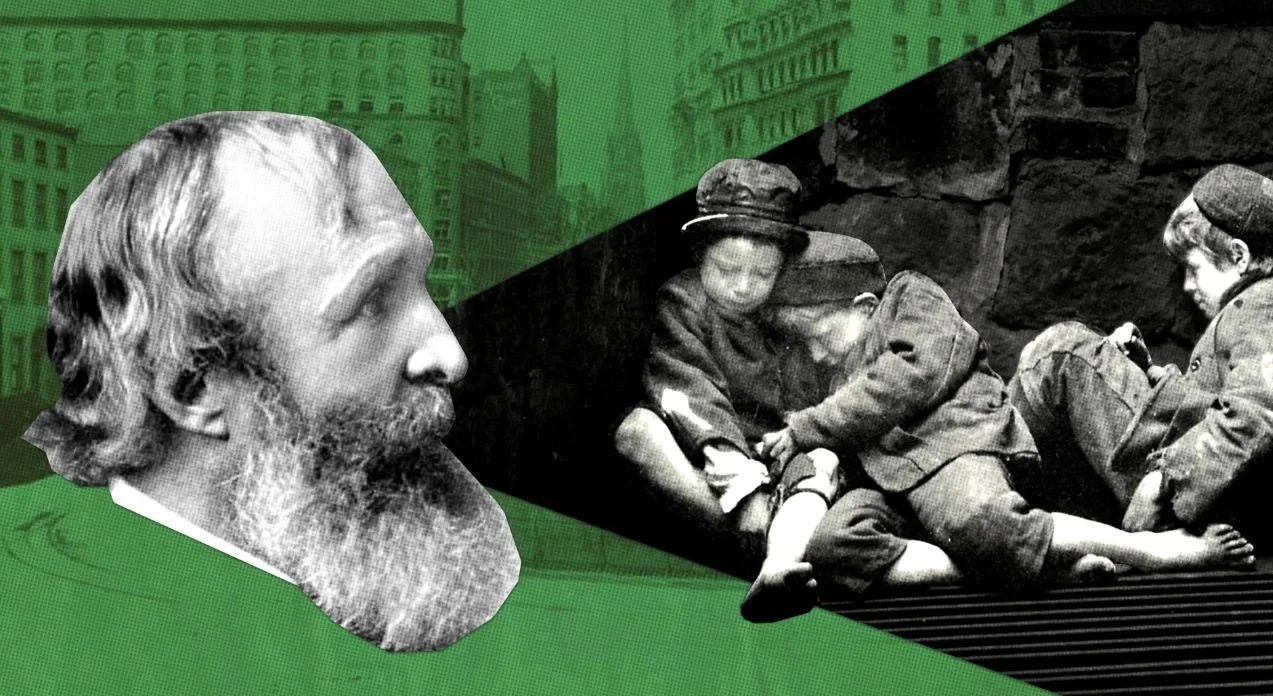
Charles Loring Brace, founder of the Children’s Aid Society
Sometimes families were chosen in advance, but most times not. According to Shaley George, former NOTC curator,“There would be up to a hundred children on a train, going across the nation, stopping in different communities. A town selects maybe 10, then they get back on the train, and they keep going." Can you imagine how these children felt? How frightened? How alone? How totally dejected and miserable at not being chosen when others were? Want to read some of the orphan train riders’ own stories? Click here.
Yes, there were negatives to the program. Some families did not treat the children well, and there was little to no recourse for the children. Some people did not want children adopted by families with different religions or ethnicities. Some people worked the children hard as domestics and farm workers. But for many children, this was an opportunity to escape from crowded orphanages or the streets. Many found happy, loving families to foster and raise them.
There are several groups and even a FB page for Descendants of the Orphan Train. The NOTC works to connect individuals whose ancestors rode the Orphan Trains, helping to share stories, research family histories, and find biological relatives. The NOTC offers resources such as rider files and research assistance to descendants.
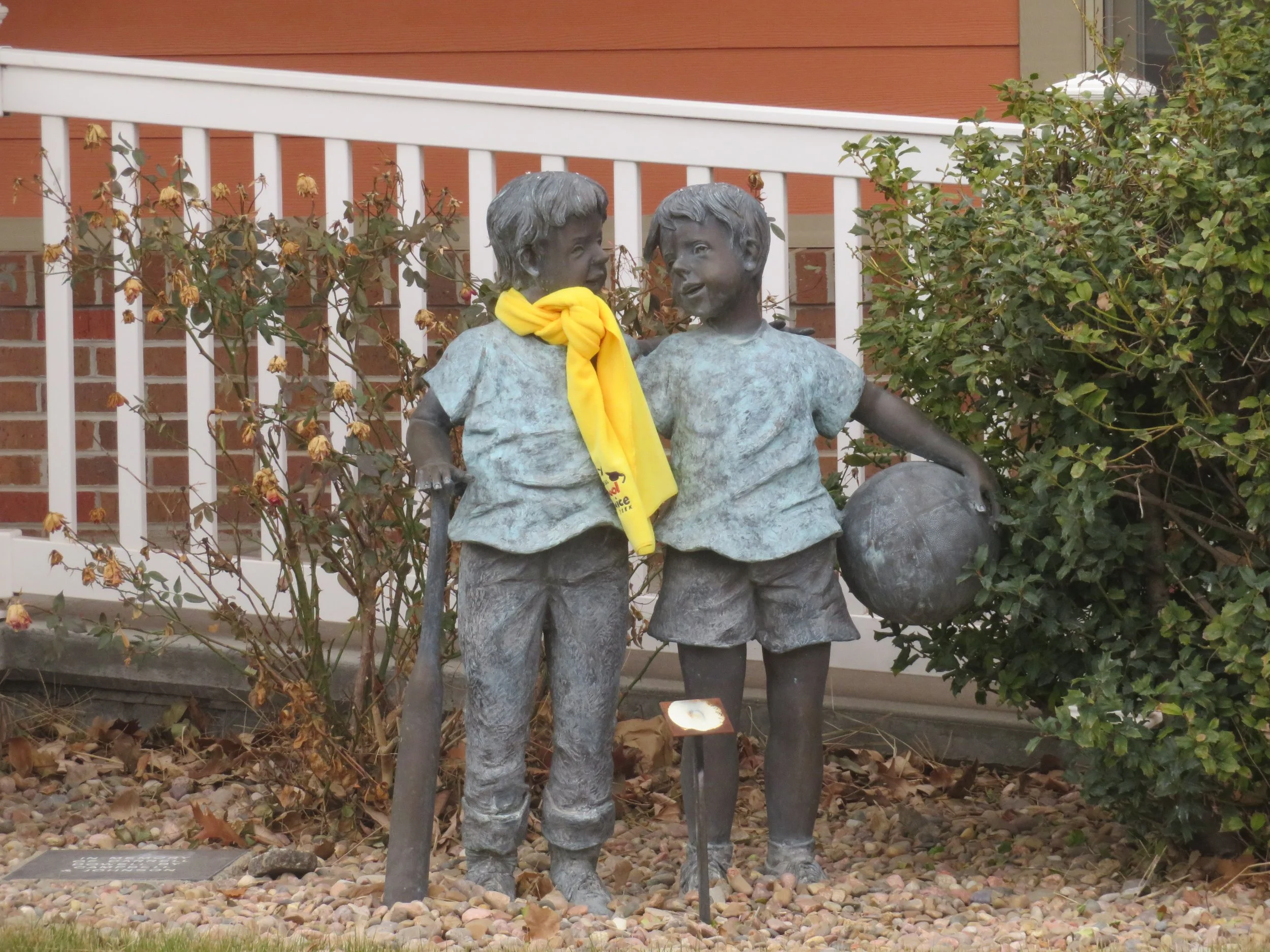
Concordia became the "Orphan Train Town" in 2017, officially recognizing the National Orphan Train Complex (NOTC) and its museum, which opened in 2007 in the town’s restored 1917-vintage Union Pacific Depot. With over 50 statues scattered throughout Concordia and the local area, the town offers a self-guided Orphan Train Statue Stroll. Sponsored by town members, businesses, and descendants of orphan train children, the statues, along with their corresponding plaques, tell the stories of many of the children who were transported by the Orphan Train to new homes. There were several on the NOTC grounds. Take a look. I loved the fact that nearly every statue had an actual brightly colored scarf.
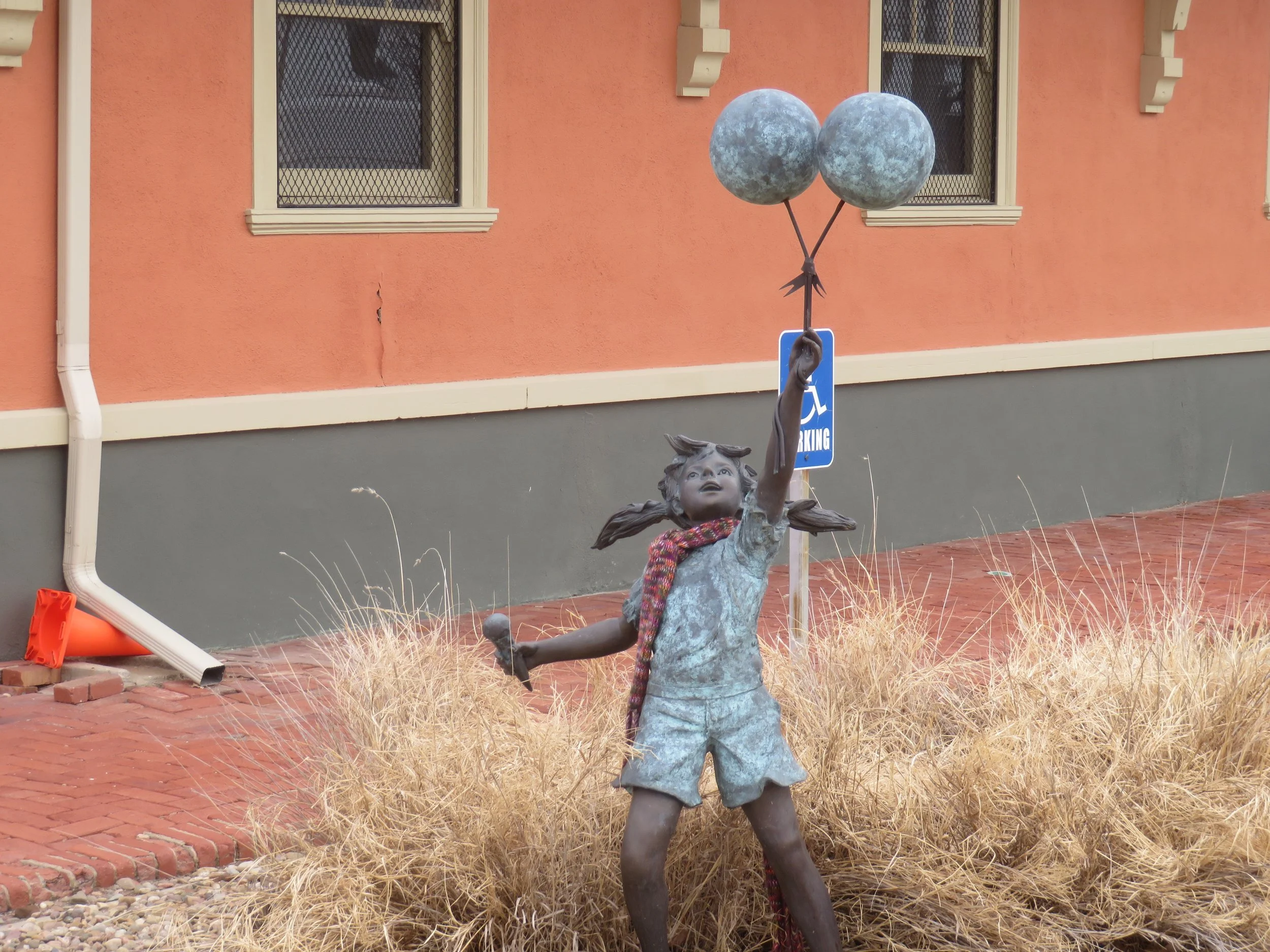
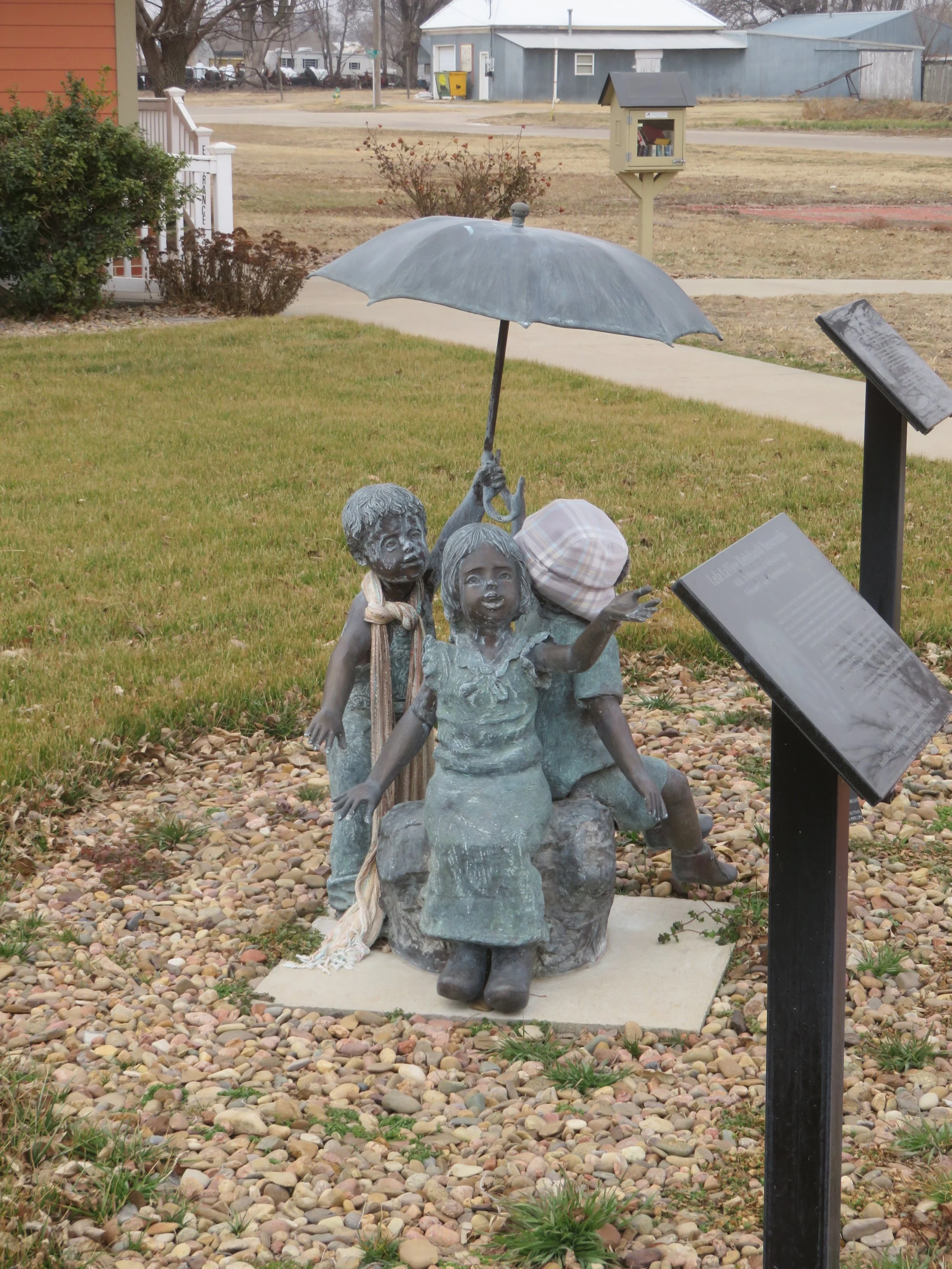
Whenever we stumble upon a place like this (and this was indeed a stumble upon) and learn something so totally new about our country’s history, we’re amazed and befuddled. Reading the plaques beside the statues is heartrending. Thinking of the thousands of kids who were given a better life because of the program is heartwarming. The fact that we have never even heard of this program, coupled with the fact that this program continued for 75 years and is virtually unknown by most Americans, is distressing. The founders and agents involved in this program should be celebrated in our history as true heroes.