
Farewell Cursive… and Analog Clocks… and Times Tables
/
There’s a certain amount of nostalgia (and angst) associated with my learning how to write in cursive… the Palmer method never worked for me. I have atrocious handwriting. Then there was learning how to tell time… the hard way… on an analog clock. The big hand is on 3, and the little hand is on 6. That’s quarter past six… six fifteen… 6:15? Is that all the same? And learning those multiplication tables by heart. Those 7s were hard, and so were 11s. Talk about stress! Where’s the challenge in printing every word? How hard is it to pick up your iPhone to see the digital time immediately displayed on the screen or use the calculator app to figure out that 42/6=7? It’s easier, but do we always need ‘easy’? And what happens if you forget your phone, it's dead, or you’re out of cell range?
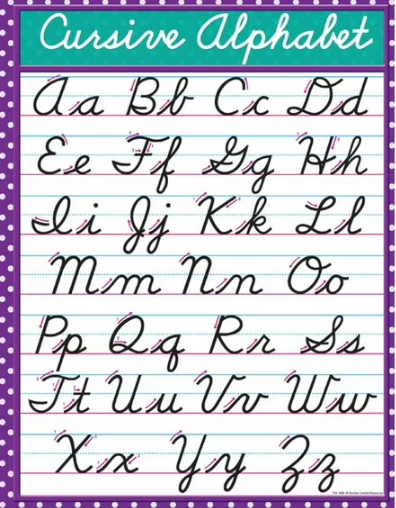
Amazon: Cursive Alphabet Workbook by Mike Stewart
Some schools still teach cursive. About half the U.S. states still require it, but it’s not federally mandated. There are lots of pros and cons. The pros include cursive as an aid in developing hand-eye coordination and fine motor skills, being able to read what more than half the population writes, plus it’s faster than printing, and there’s the added benefit of actually being able to write your signature. But according to AI, “A signature does not have to be in cursive to be legally valid. A signature is simply a ‘mark’ used to signify your identity and intent to agree to a document. If you do not know cursive, you can use any consistent mark that you can replicate.” The cons include legibility issues, time spent teaching and learning it vs. learning more relevant keyboard skills, and its limited practicality in a digital world. In other words, cursive is obsolete.
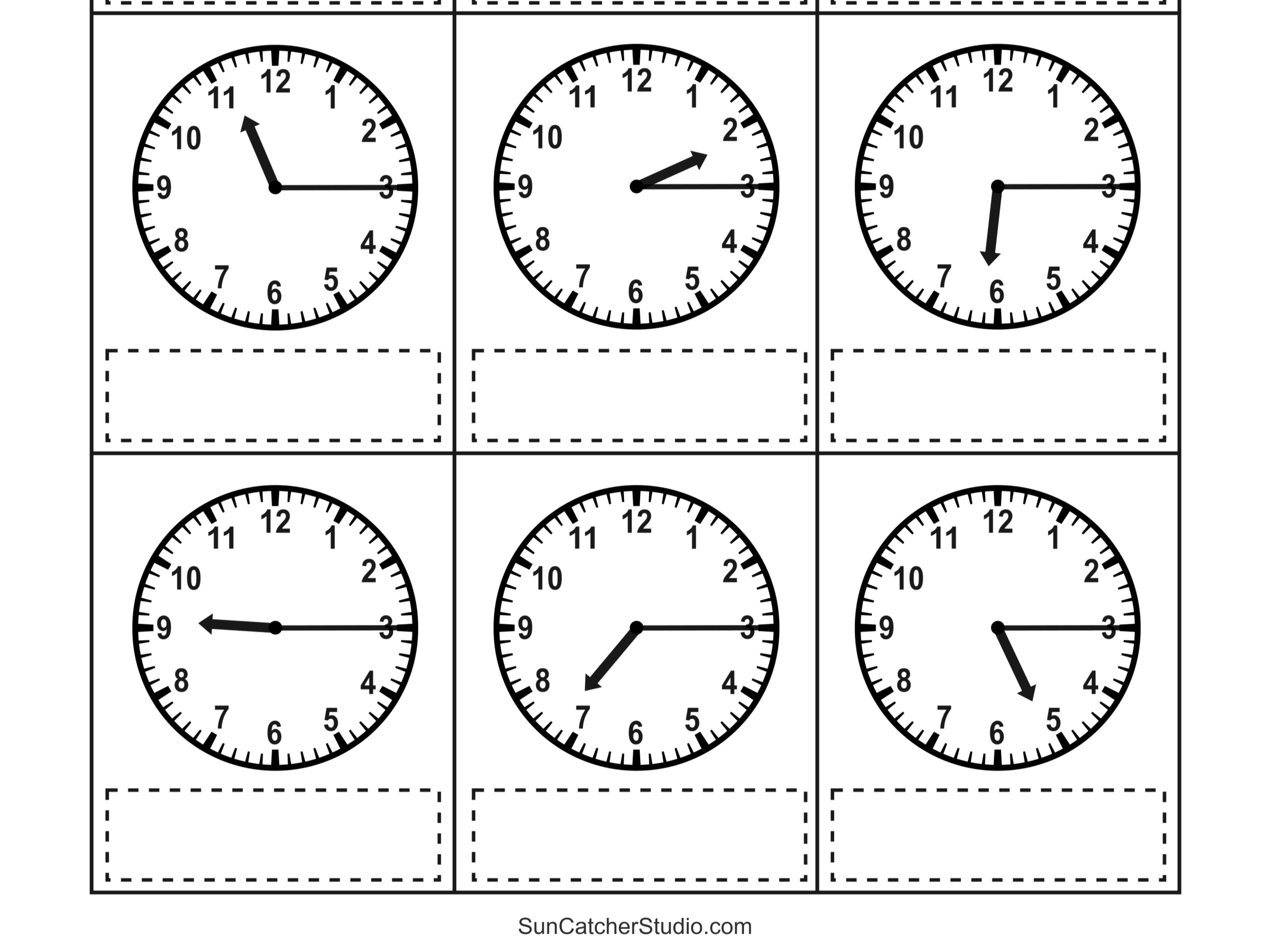
Telling time on an analog clock? Why bother, many say, digital clocks are ubiquitous. And, of course, they are. One argument is that it’s too complex for kids to learn.”Reading an analog clock requires understanding multiple, simultaneous concepts: clockwise movement, 60-minute cycles, 5-minute intervals, and two different hands (one for hours, one for minutes).” Are these the same kids that can master an iPhone, an iPad or a computer at age 3? Digital clocks are definitely easier and because they’re everywhere, perhaps the need to learn is minimized. Analog clocks are a nice nostalgic touch, but they’re obsolete. Let’s not get rid of Big Ben, the Prague Astronomical Clock nor the grandmother clock in my dining room though.
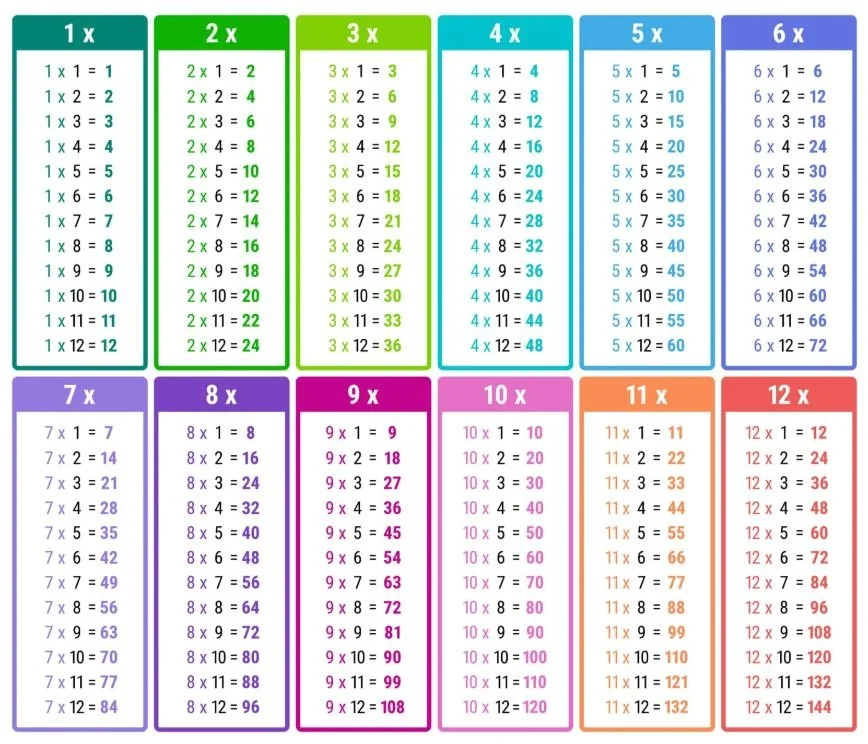
And what about memorizing multiplication tables? Yup, that’s pretty much down the drain, too. Rote memorization is out, and subitizing, conceptual understanding, and problem solving are key components of teaching math now. I’m not sure I disagree, although I find it disconcerting when a cashier can’t count my change back to me or can’t figure out immediately that if I buy 2 of something labeled 3/$1, I should be charged 67¢. It’s problematic for me that no simple math problem can be accomplished without the use of a calculator. But… memorizing times tables is now considered obsolete.
And don’t get me started on learning how to spell without relying on a spell checker. Perhaps I’m just too resistant to change. I still like having and reading physical maps when we travel, even though I rely on our GPS, too. I don’t mind using paper dictionaries or thesauruses, though I find Word Hippo or the online Merriam-Webster or OED pretty handy. And memorizing phone numbers? Half the time I forget ours, never mind learning someone else’s number. Yet, I still remember our home phone number from when I was a kid… Twin Oaks 23360.
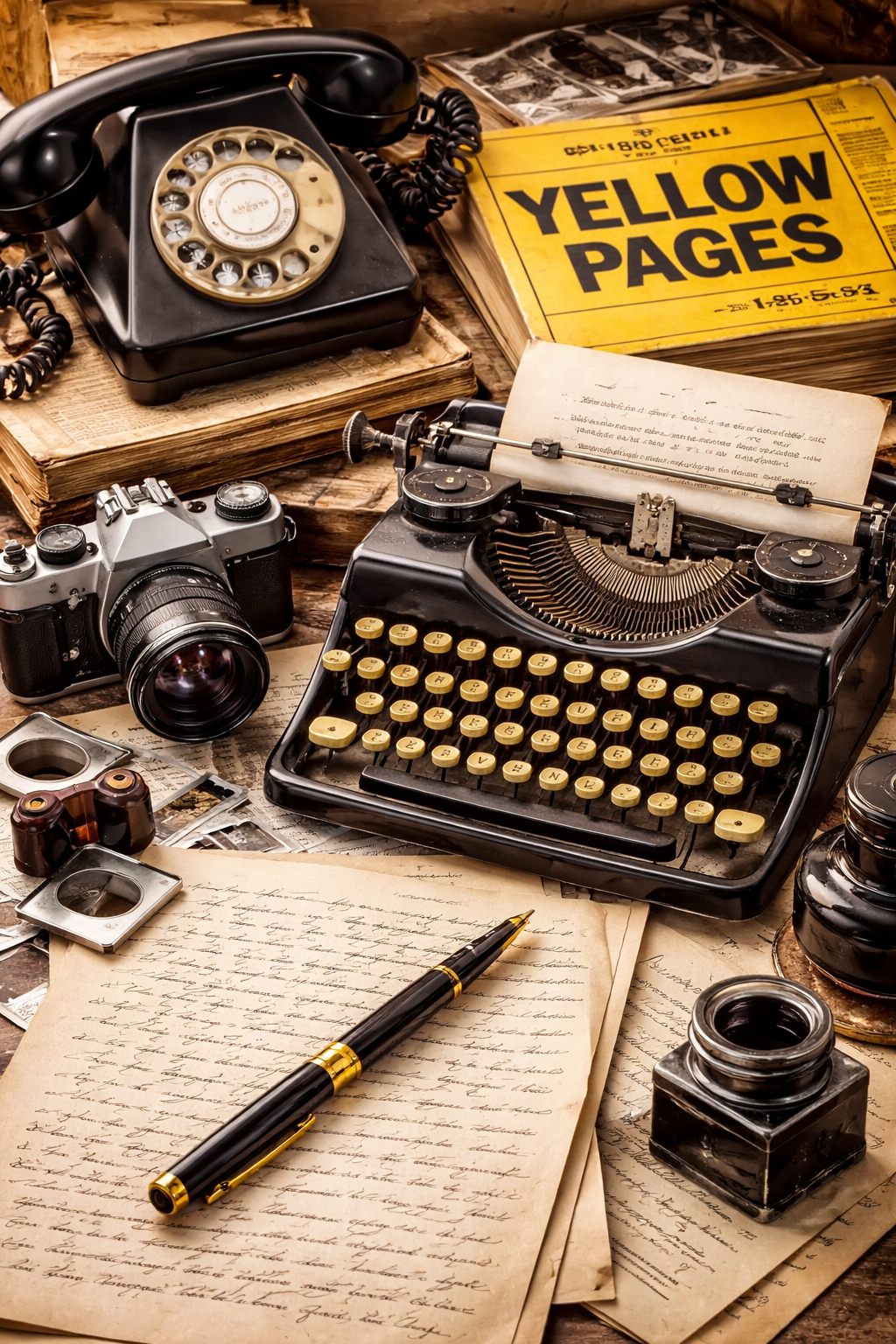
Like so many things with which I grew up, these things too will be part of the past like VCRs, floppy discs, print newspapers, books and magazines, chalkboards, film cameras, writing checks and balancing a checkbook, handwritten cards, letters and postcards, typewriters, card catalogs at the library, landline telephones, rotary phones, and the Yellow Pages, just to name a few.
Soon they’ll fall into the category of vintage or retro, and those who opt to use them will be considered part of the “analog resurgence’ movement or pretentious. I really don’t need instant gratification all the time. Sometimes it’s satisfying to be more deliberate and mindful. I’ll adapt to the new (maybe), but I’ll cherish being able to write my illegible cursive signature, and being able to tell time on my analog grandmother clock, and knowing off the top of my head that 7 x 9 = 63. Yup, I’m waxing nostalgic, but heck, I still use correct grammar and punctuation when I send texts.