

The Art of Sleeping Well on the Camino
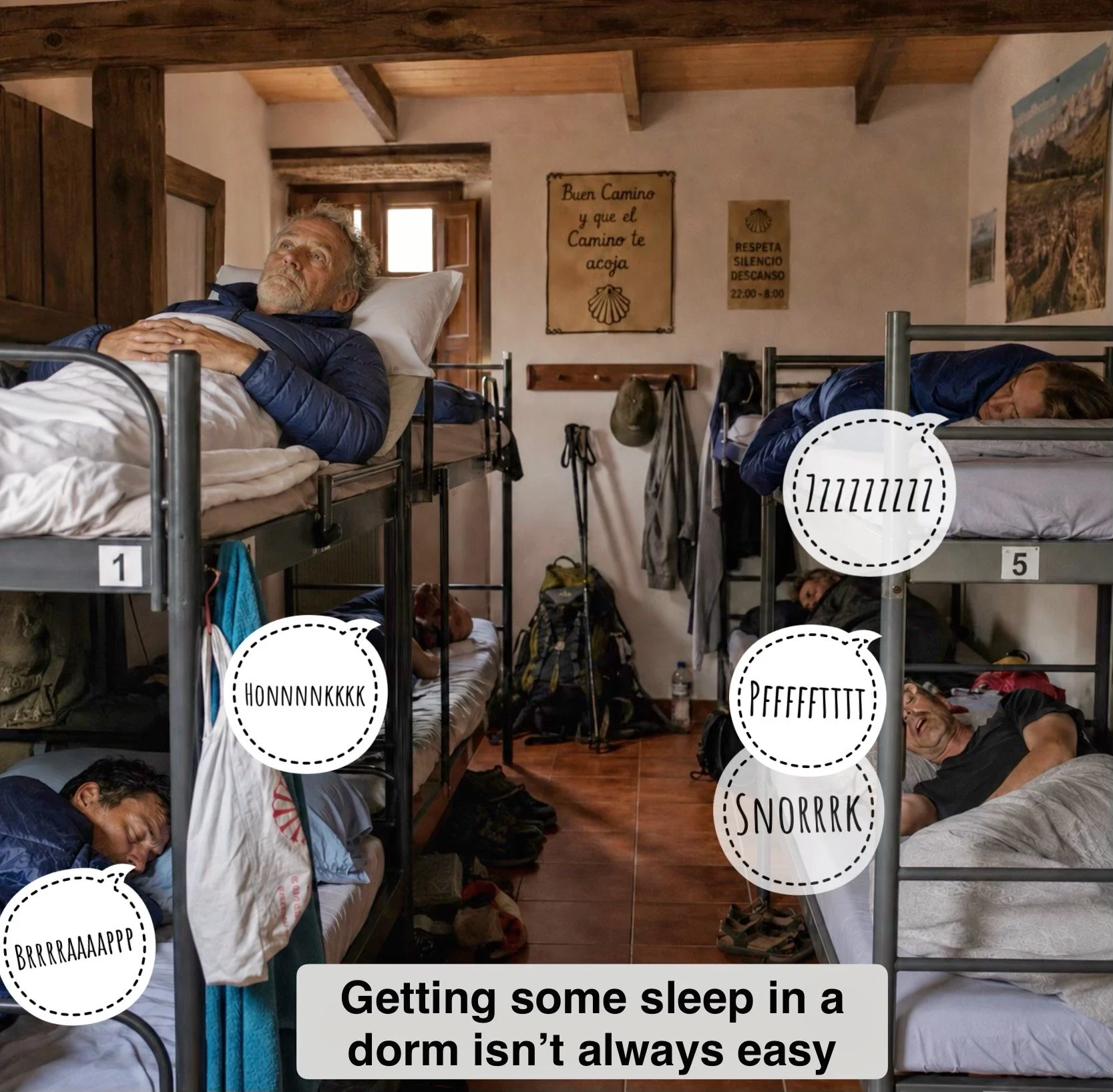
/Whether you’re a minimalist pilgrim with a backpack held together by rope and duct tape, or someone who believes hiking is best rewarded with Egyptian cotton sheets and a hot shower, the Camino offers a lodging option for every style and budget. Over the years, we’ve stayed everywhere from crowded hostel bunk rooms with symphonies of snoring (and other bodily sounds) to elegant suites in charming villas. On the Camino, we’ve leaned toward a little comfort—namely private rooms with en-suite bathrooms and, at Marcie’s firm insistence, toilets with actual toilet seats. Civilized lodging matters.
Albergues (Pilgrim Hostels)
Albergues are the classic Camino accommodations, reserved exclusively for credentialed pilgrims. These hostel-style lodgings usually feature large dormitories lined with bunk beds and provide a memorable communal experience.
Municipal (Public) Albergues
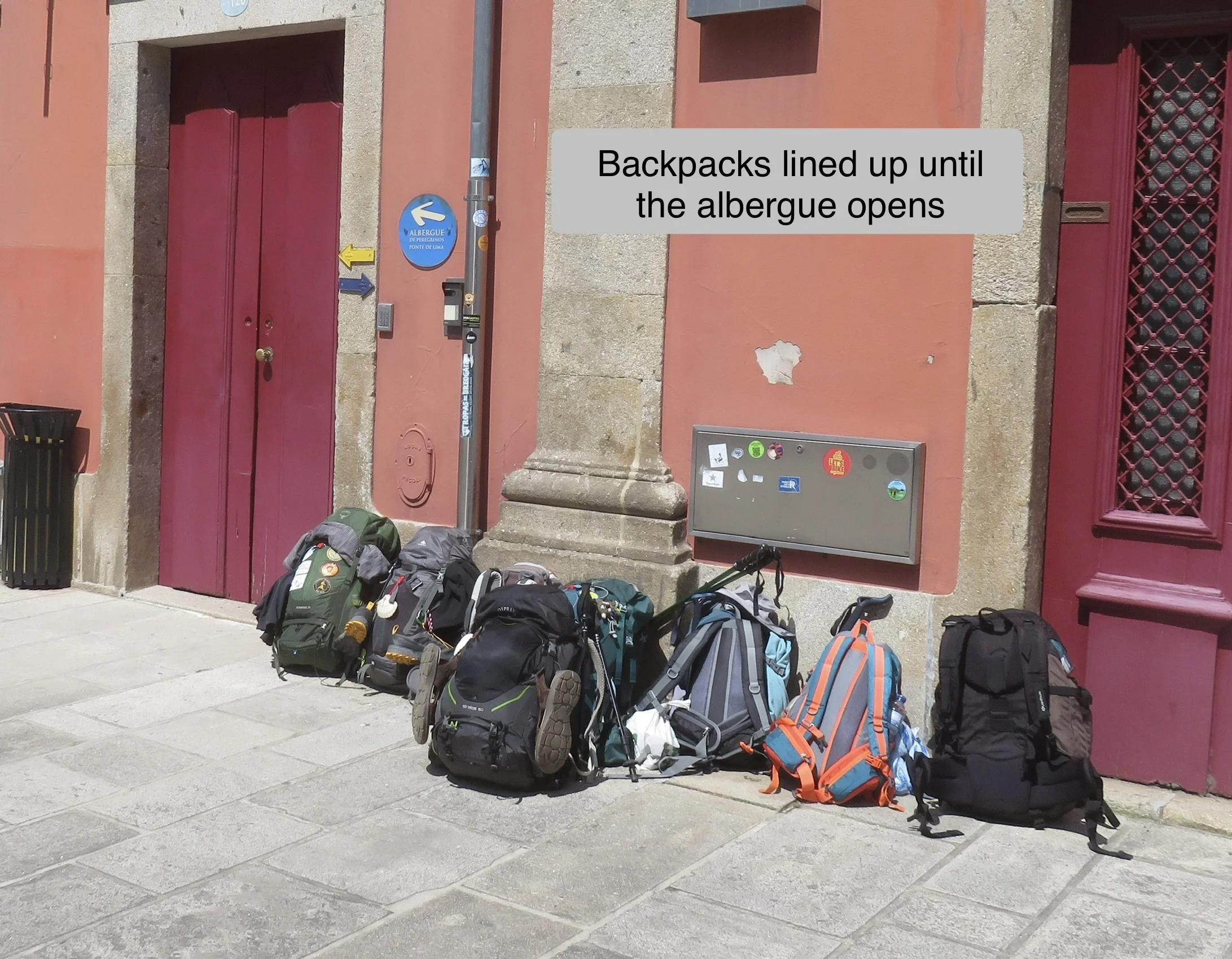
Operated by local municipalities or councils, these are the most affordable options on the Camino, typically costing between €5 and €15 per night. They function on a strict first-come, first-served basis, which means pilgrims often really step up the pace for the final kilometer into town.
Parochial Albergues
Managed by churches or local parishes, these accommodations often provide a more spiritual and communal atmosphere. Many offer shared pilgrim dinners and operate on a donation basis or for a very modest fee.Private Albergues
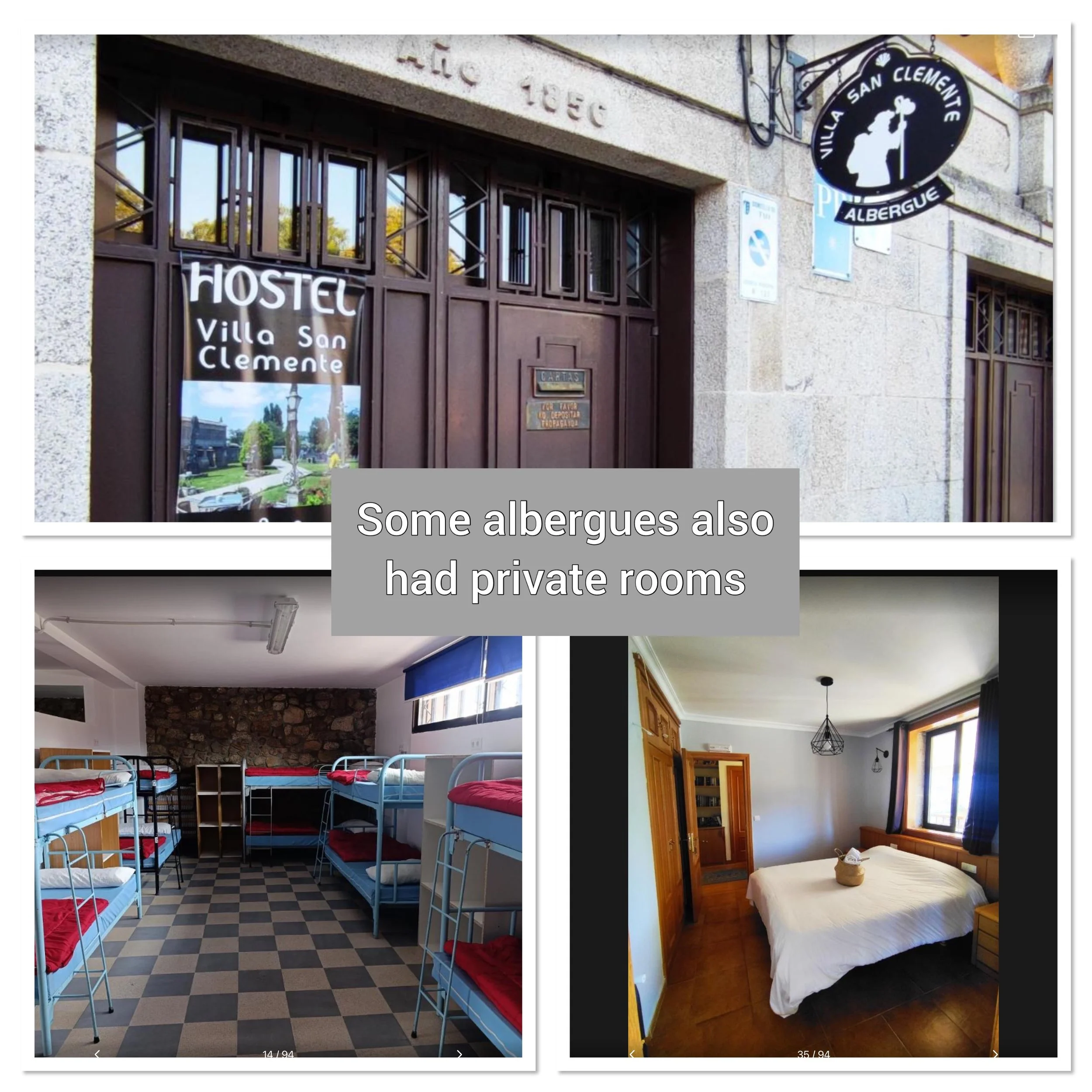
Owned by private operators—often former pilgrims themselves—these albergues usually cost between €10 and €30 per night and can typically be reserved in advance. Amenities are often a step up from the municipal options, with hot showers, Wi-Fi, laundry facilities, and occasionally even swimming pools. At a higher cost, some also offer private rooms with en-suite bathrooms, making them ideal for pilgrims craving a good night’s sleep without the midnight bunk-bed gymnastics.
Pensiones and Hostales
Pensiones and hostales are small, family-run guesthouses or modest budget hotels that strike an excellent balance between comfort and affordability. They generally offer private single, twin, or double rooms with en-suite bathrooms, and were our most frequent form of lodging.
Prices typically range from €25 to €80 per night, depending on location and season.
Casas Rurales
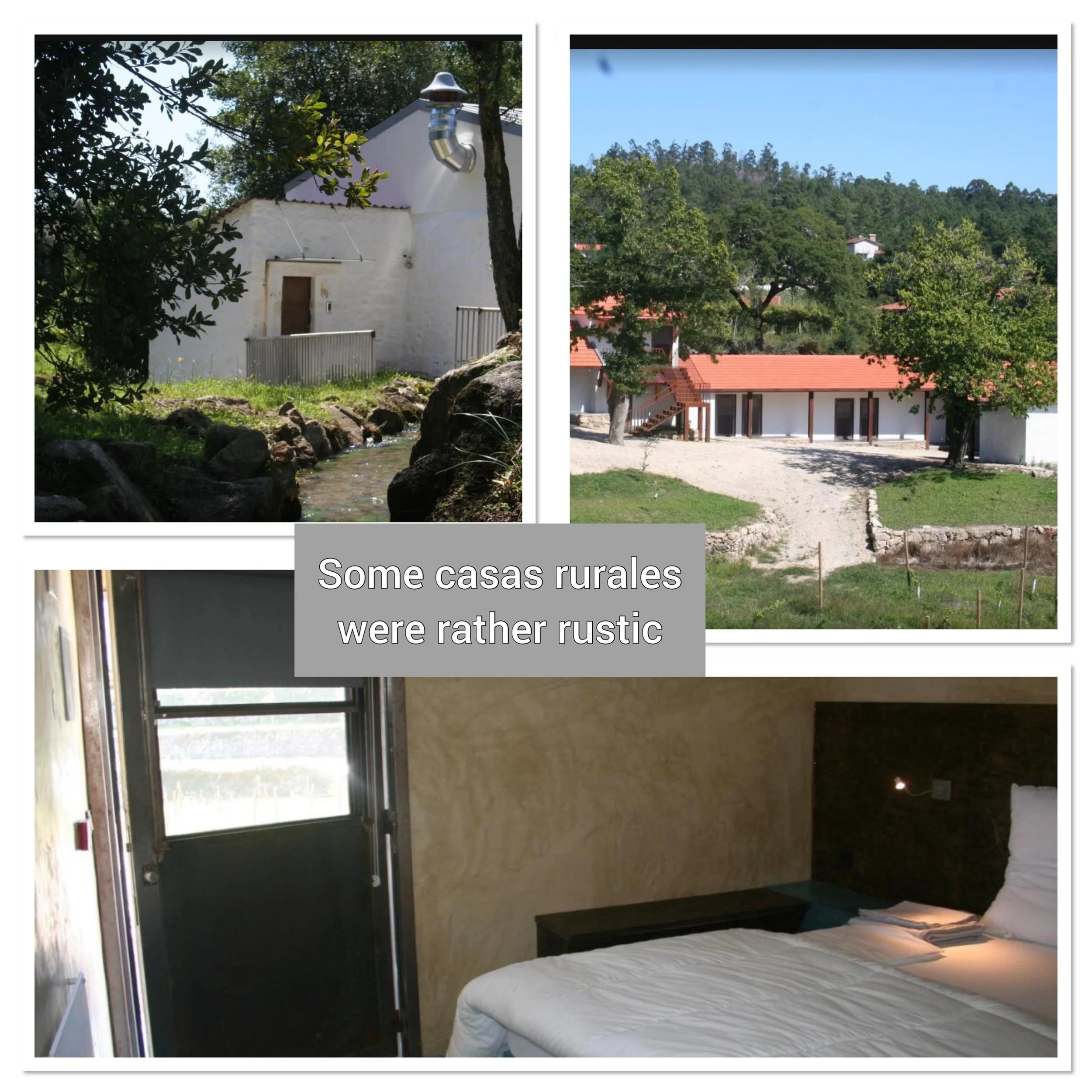
Scattered throughout rural villages and farming regions, casas rurales are charming country homes converted into cozy inns or bed-and-breakfasts. These stays often provide one of the most authentic Camino experiences, with welcoming hosts who may prepare traditional regional dinners and breakfasts for guests.
After a long day of walking, there’s something magical about homemade soup, fresh bread, and a host who insists you have “just one more” glass of wine.
Hotels and Paradores
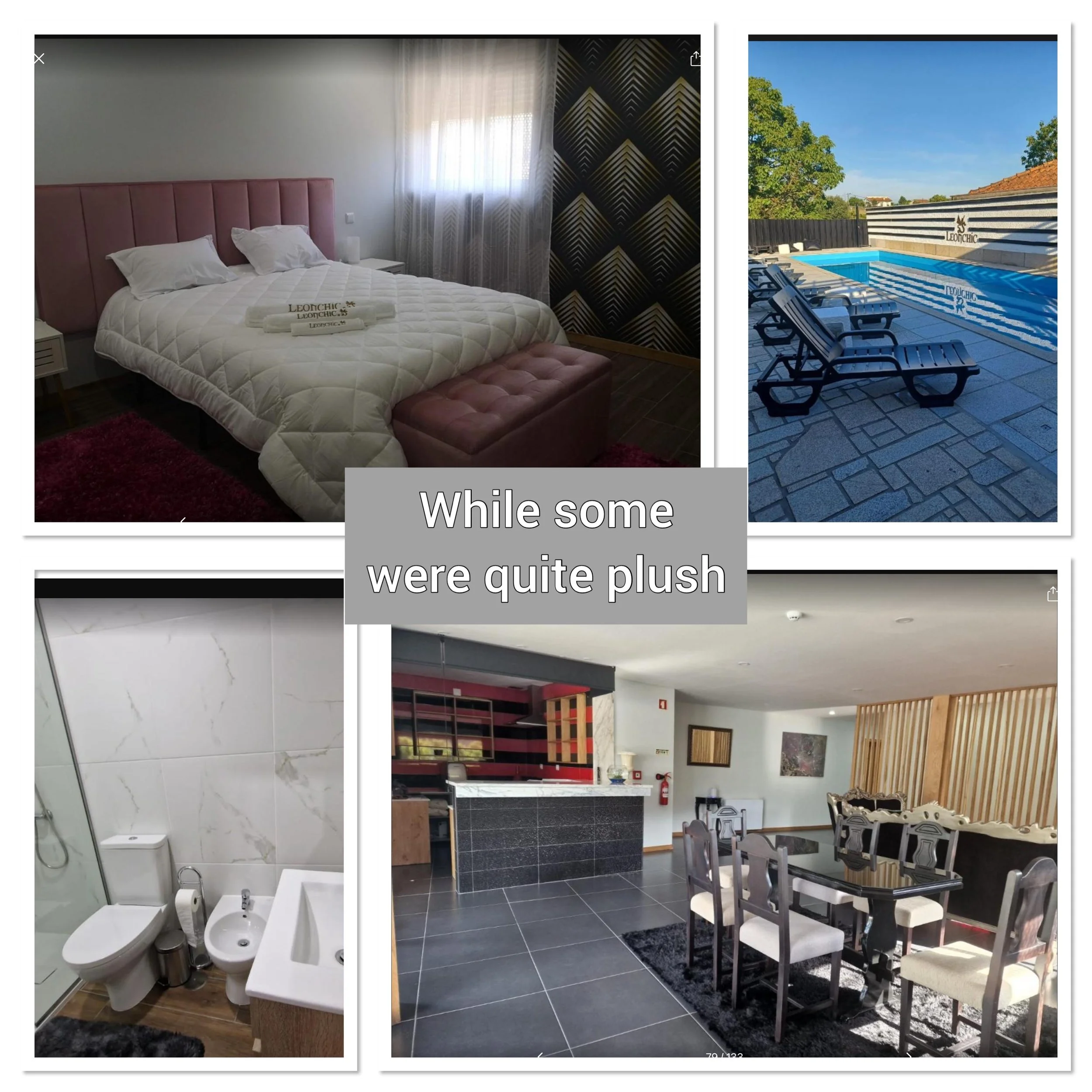
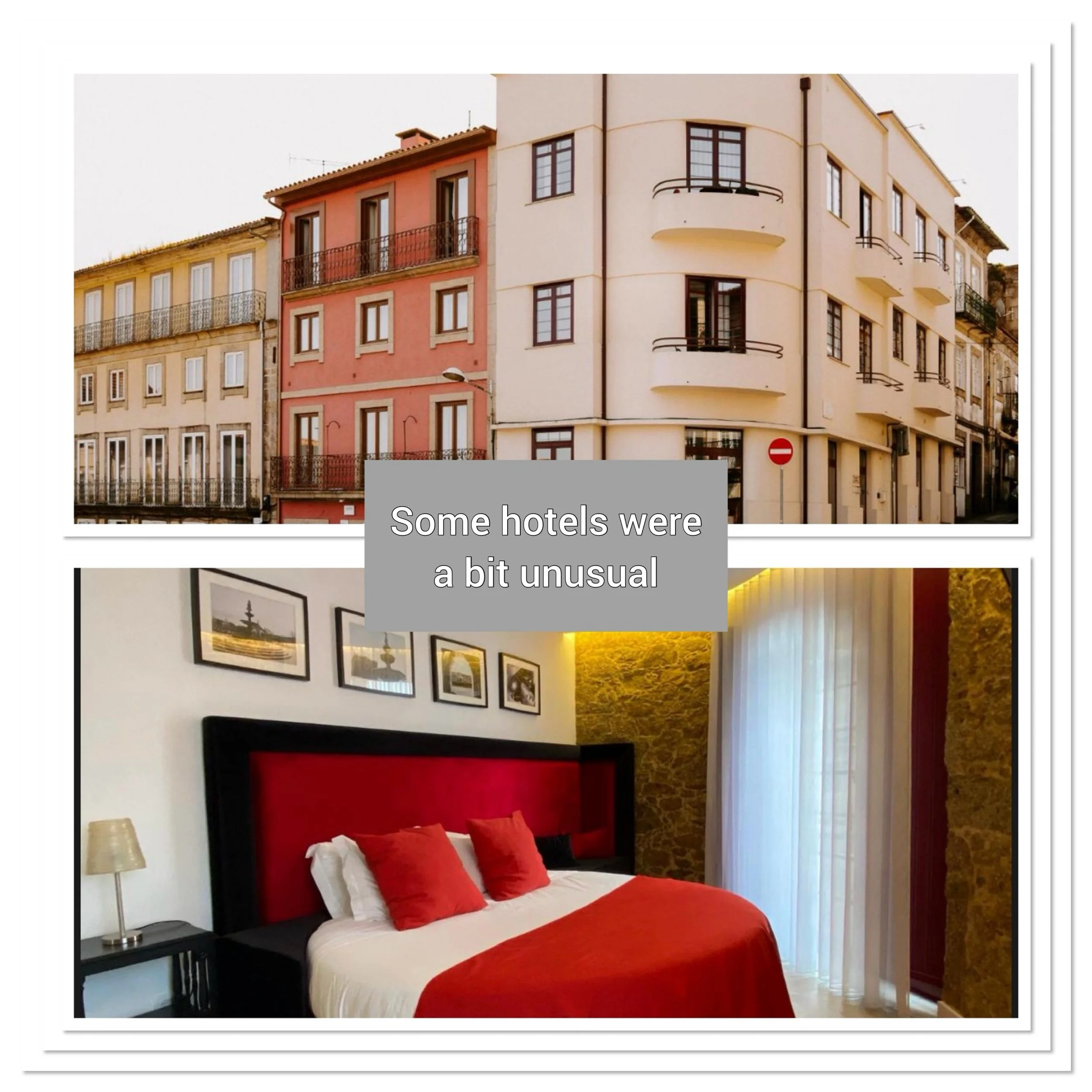
For pilgrims who prefer maximum comfort—or simply need a recovery day involving room service and uninterrupted silence—towns and cities along the Camino offer a wide variety of hotels.
For an especially memorable experience, Spain’s Paradores and Portugal’s Pousadas elevate the journey considerably. These luxury, state-run historic properties are often housed in beautifully restored castles, monasteries, palaces, and convents. Staying in one feels less like checking into a hotel and more like becoming minor royalty for the evening.
Apartment Rentals
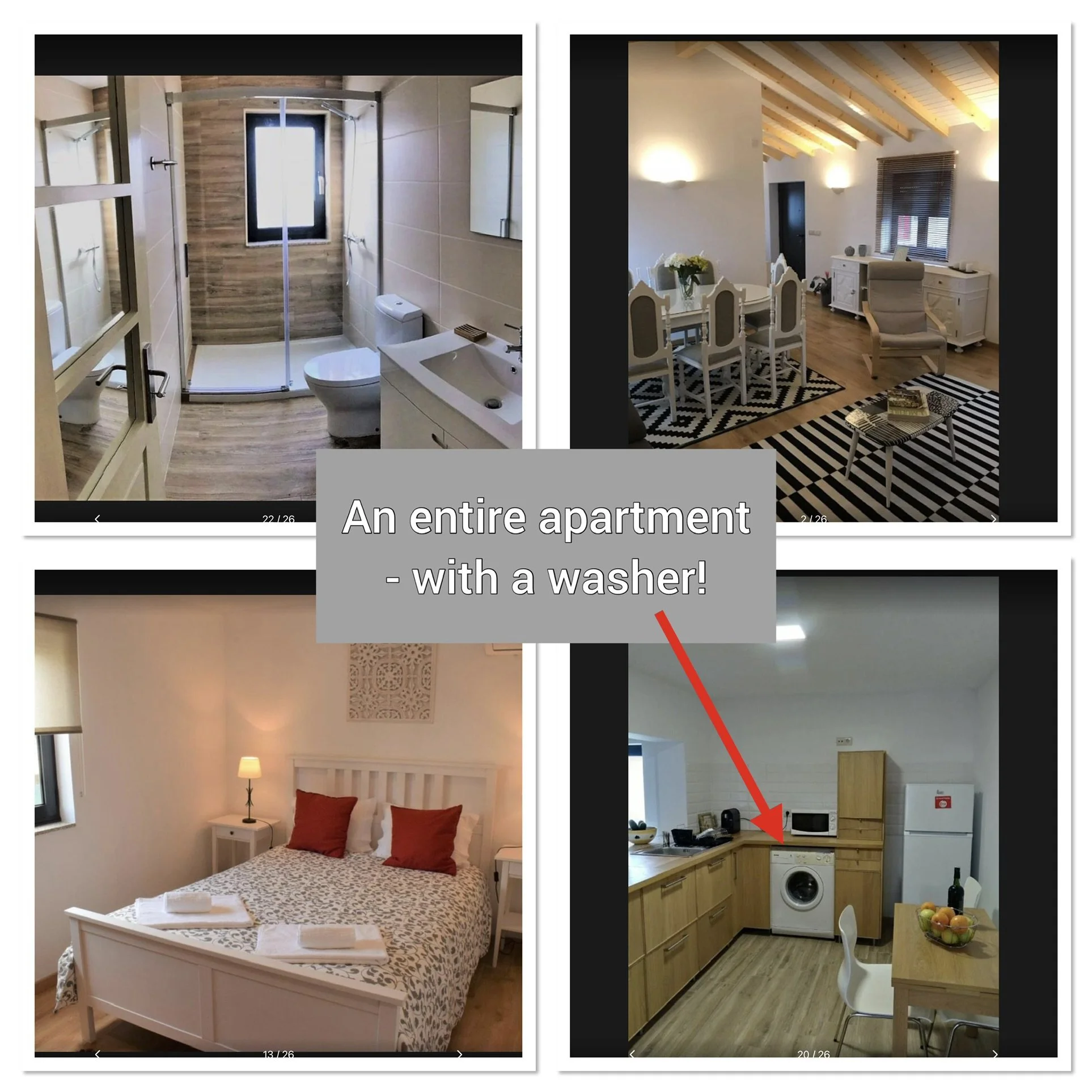
Tourist apartments are widely available through booking platforms and are particularly useful for longer Camino journeys. Most include kitchens, living areas, and—most importantly for long-distance hikers—a washing machine and drying rack.
We try to book one every week or so to catch up on laundry and give our hiking clothes a much-needed reset. There are only so many times you can rinse underwear, tees, and socks in a tiny sink before people in restaurants and hotel lobbies start giving you a wide berth.
Camping
Some towns along the Camino also offer campsites for pilgrims carrying lightweight camping gear or traveling by camper van. While camping requires a bit more planning and extra weight on your back, it offers flexibility and the chance to sleep under the stars. This was NOT even a consideration for us.
Final Thoughts
No matter your budget or travel style, the Camino provides a remarkable variety of places to rest, recover, and connect with fellow pilgrims from around the world. In the end, the perfect accommodation isn’t necessarily the fanciest or the cheapest—it’s the one that gives you a warm shower, a decent meal, and enough rest to lace up your boots and do it all again the next morning.