
The Portuguese Age of Discovery
/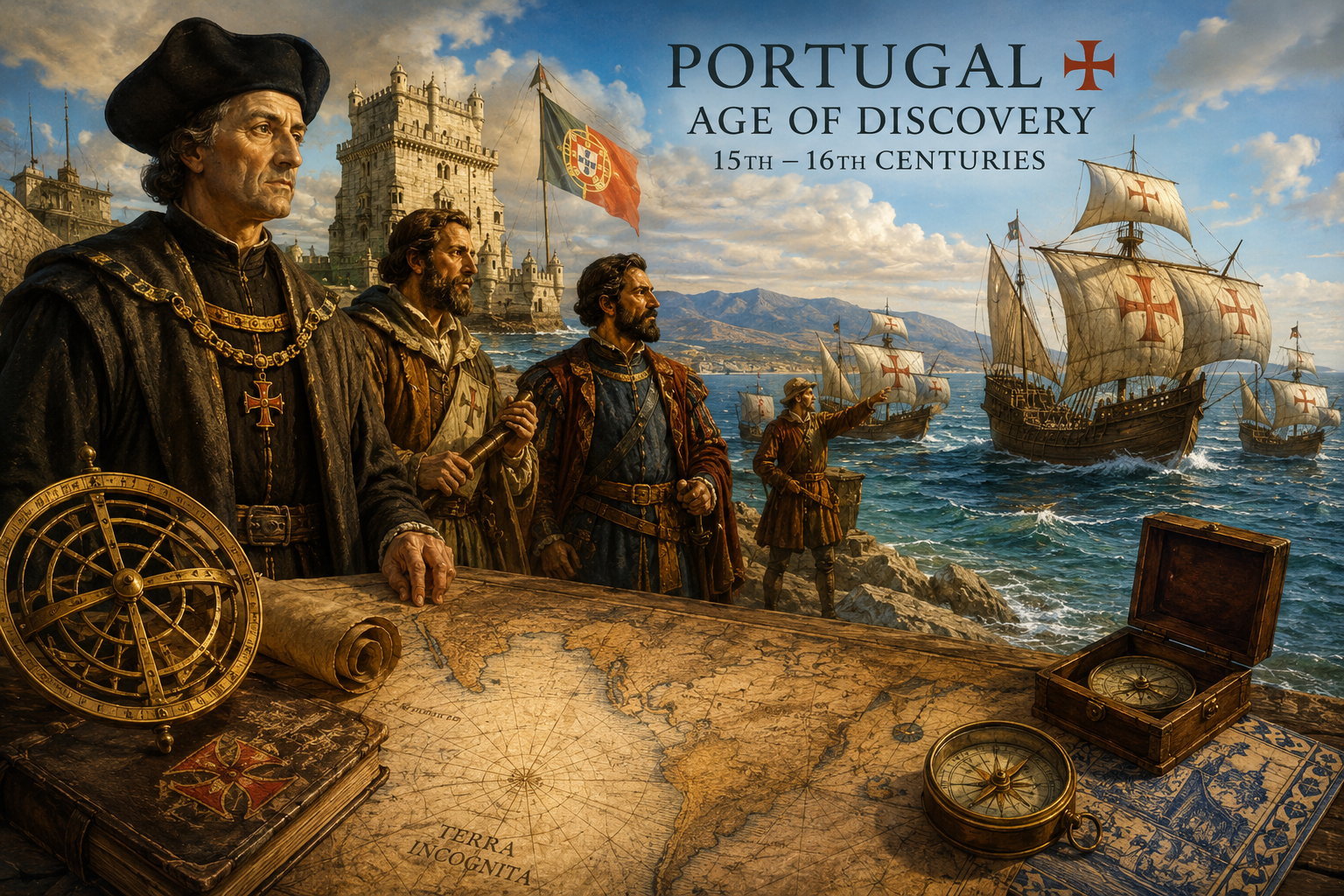
During our travels through Portugal, we encountered countless monuments, museums, and coastal landmarks dedicated to the nation’s remarkable Age of Discovery. Spanning the 15th and 16th centuries, this period of maritime exploration transformed a small European kingdom into a far-reaching global empire. It established the first all-water route to India, reshaped world trade, and marked the early stages of globalization.
Driven by economic necessity, religious zeal, and geopolitical ambition, Portugal turned outward to the Atlantic. Lacking direct access to Mediterranean and Asian trade networks, its navigators pushed into the unknown, eventually mapping vast portions of the globe.
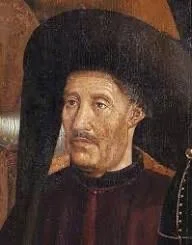
Prince Henry the Navigator (1394–1460)
Prince Henry, born Infante Dom Henrique, is often credited as the architect of this era. Despite his famous nickname, he never sailed on the voyages he sponsored. Instead, he acted as a strategist and patron, directing resources, knowledge, and talent toward exploration.
His motivations were shaped by the 1415 conquest of Ceuta in North Africa, where he first encountered the wealth of African and Asian trade networks. Determined to bypass overland routes controlled by others, he focused on reaching those sources by sea.
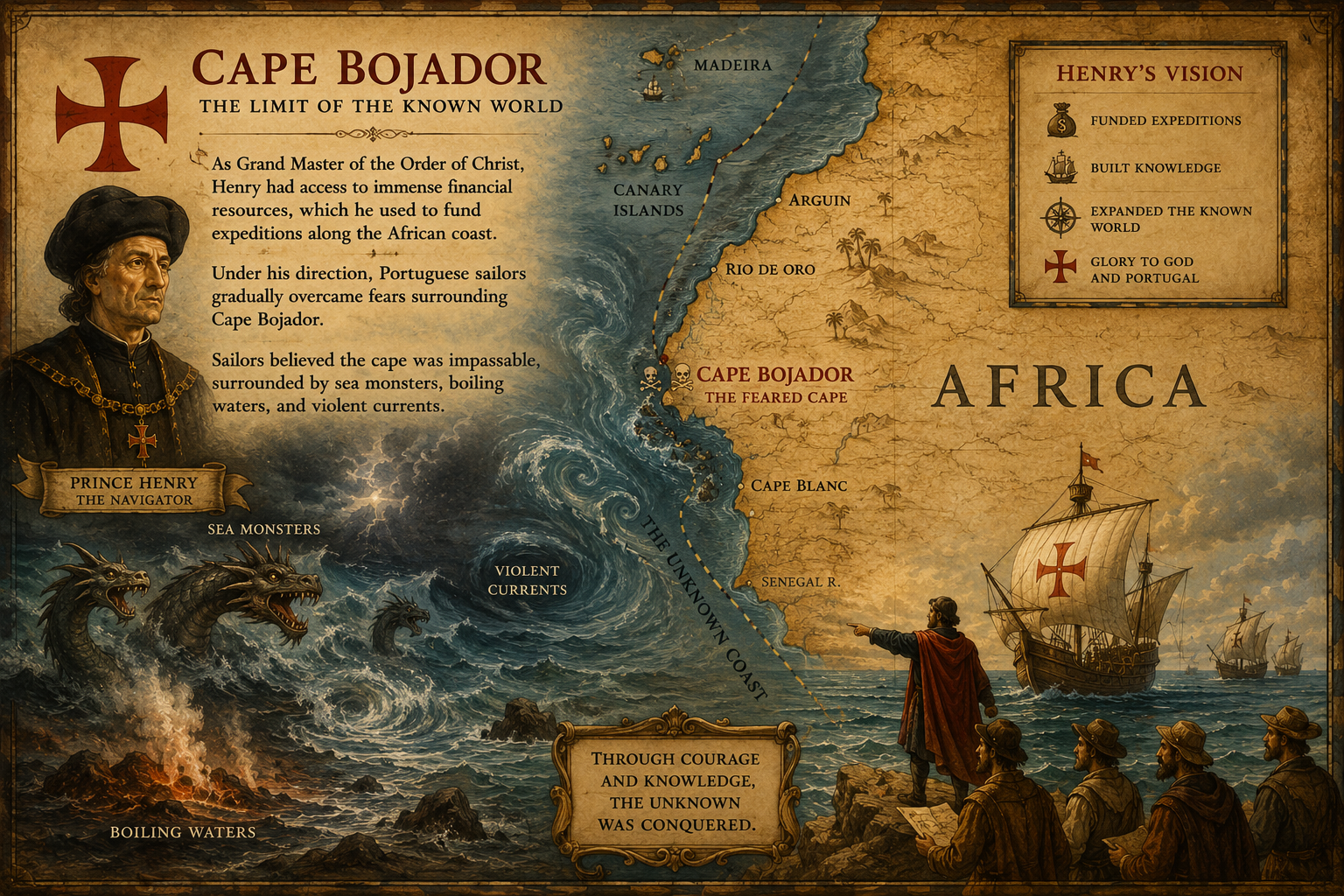
As Grand Master of the Order of Christ (previously known as the Knights Templar), Henry had access to immense financial resources, which he used to fund expeditions along the African coast. Under his direction, Portuguese sailors gradually overcame fears surrounding Cape Bojador—long believed to be impassable and surrounded by sea monsters, boiling waters, and violent currents. Henry pushed his captains relentlessly, rewarding progress and cutting support for failure. By the time of his death, they had charted the West African coastline as far as present-day Sierra Leone and rediscovered and colonized the archipelagos of Madeira and the Azores.
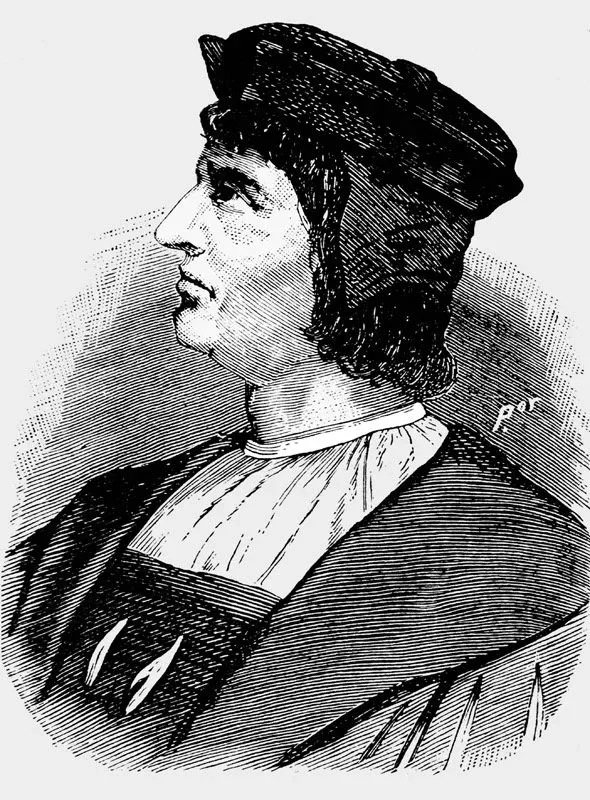
Bartolomeu Dias (c. 1450–1500)
Dias achieved one of the most significant breakthroughs of the era. In 1488, after being driven far south by a violent storm, he unknowingly rounded the southern tip of Africa—the Cape of Good Hope. When he turned north and sighted land, he realized he had passed the continent’s southern boundary.
Though his crew refused to continue eastward toward India, Dias’s voyage proved that a sea route between the Atlantic and Indian Oceans existed.
In an ironic twist, on a later voyage, Dias sailed as part of a fleet bound for India under the command of Pedro Álvares Cabral. The fleet encountered another massive storm, and on May 29, 1500, Dias’s ship sank. He drowned in the turbulent waters off the Cape of Good Hope—the very landmark that had made him famous.
Vasco da Gama (c. 1460–1524)
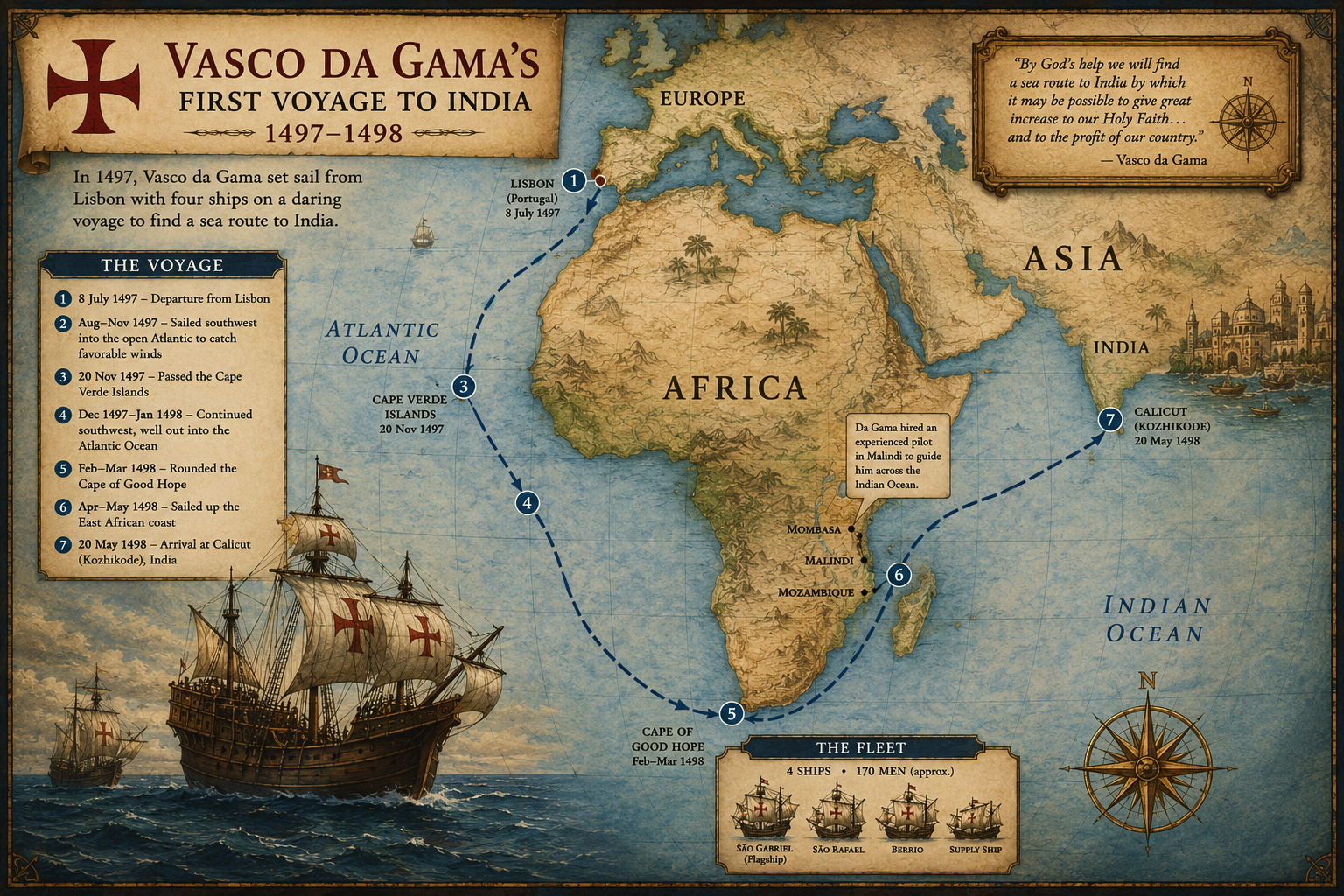
Building on Dias’s discovery, Vasco da Gama led the first successful sea voyage from Europe to India in 1498. His journey demonstrated both navigational brilliance and the harsh realities of long-distance ocean travel.
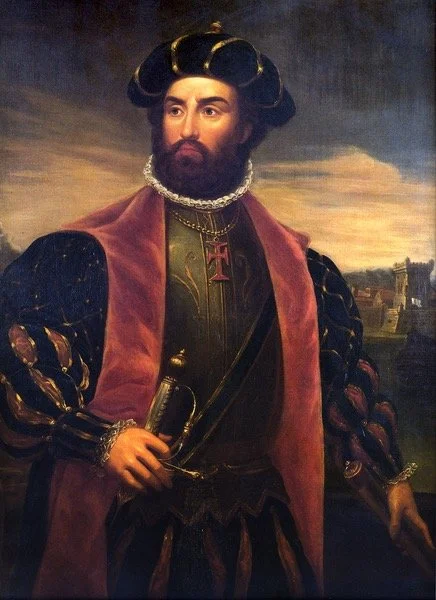
To avoid difficult coastal currents, da Gama sailed far into the open Atlantic before turning east—a bold maneuver that kept his ships out of sight of land for months. After rounding the Cape of Good Hope, he sailed up the eastern coast of Africa and then crossed the Indian Ocean, arriving in Calicut (modern Kozhikode), India, on May 20, 1498.
The return voyage was grueling. Ignoring advice about monsoon timing, da Gama endured a prolonged three-month crossing of the Indian Ocean. Scurvy devastated his crew, killing more than half. When he finally reached Lisbon, only 55 of his original 170 men remained.
As an aside, our own crossing of the Indian Ocean aboard Nine of Cups gave us a small appreciation for what these sailors endured. Even with modern weather forecasting, we encountered shifting winds, squalls, and long stretches of calm. It was probably the worst ocean crossing we experienced in all our travels. It was uncomfortable enough with modern equipment—it’s hard to imagine doing it in a wooden ship five centuries ago.
Da Gama’s later voyages revealed a far darker side. His second expedition included acts of extreme violence used to secure Portuguese dominance in the Indian Ocean.
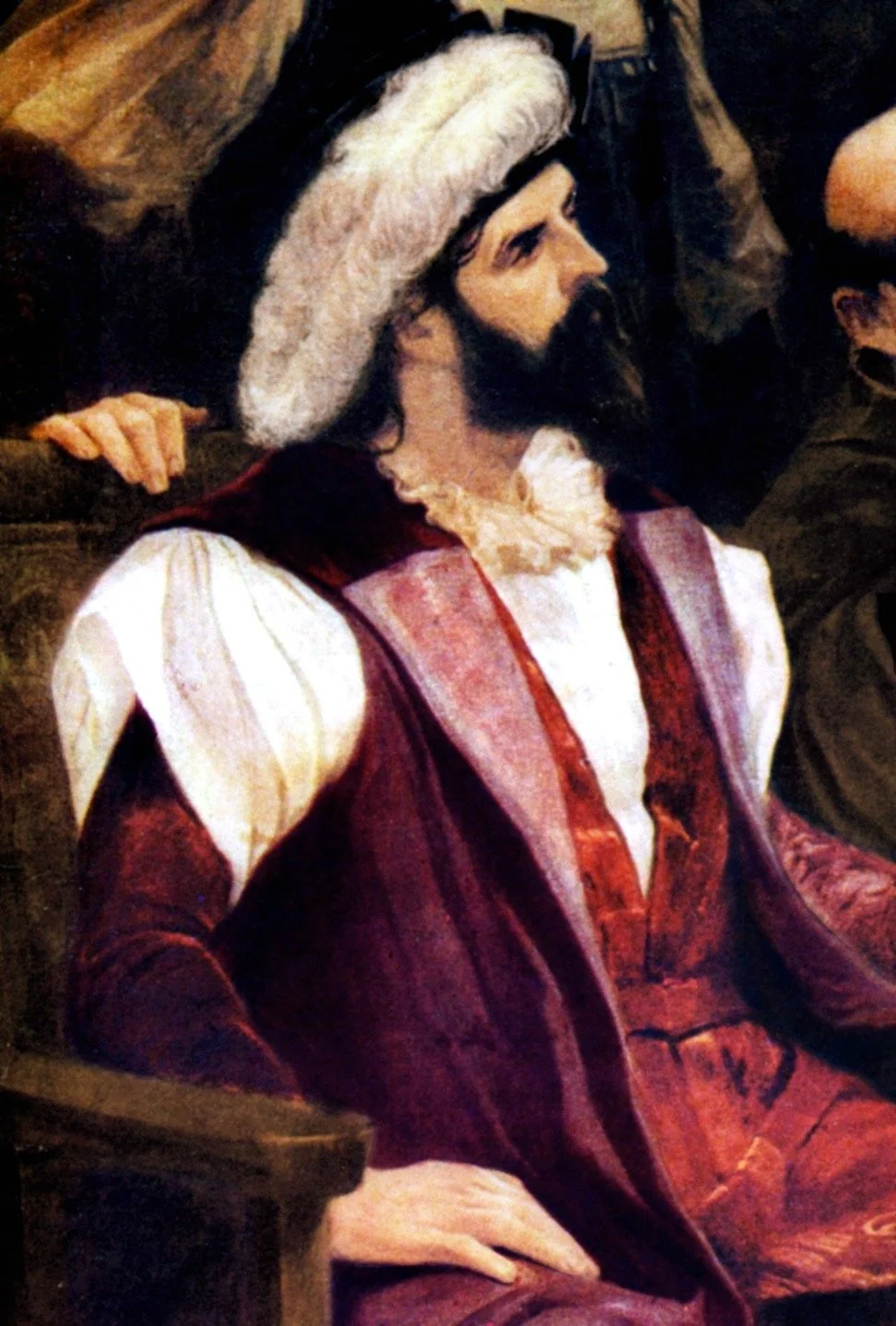
Pedro Álvares Cabral (c. 1467–1520)
Following da Gama’s return, King Manuel I moved quickly to capitalize on the new sea route and commissioned a fleet of 13 ships and roughly 1,200 men under Cabral’s command. A trusted noble and capable leader, Cabral set out to follow da Gama’s route.
Sailing far southwest to catch favorable winds, his fleet instead encountered the coast of Brazil. Cabral landed and claimed the territory for Portugal.
Continuing on to India, Cabral faced both success and disaster—losing ships to storms while establishing profitable trade relationships. His voyage confirmed that the sea route to India could sustain long-term commerce, despite the risks.
Ferdinand Magellan (c. 1480–1521)
Magellan’s story reflects the intense rivalry between European powers. After falling out of favor with King Manuel I of Portugal, he turned to Spain with a bold proposal: reach Asia by sailing west. He persuaded the young King Charles I of Spain to finance a fleet of five ships.
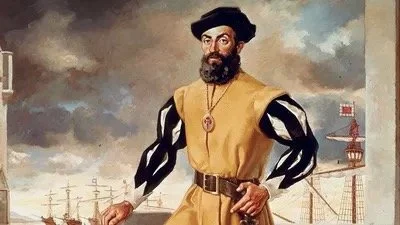
Sailing a Spanish fleet as a Portuguese captain came with serious challenges. King Manuel, furious at what he saw as betrayal, sent ships to intercept him and even ordered his assassination. Meanwhile, Magellan’s Spanish captains resented taking orders from a foreigner. Early in the voyage, he crushed a major mutiny—executing two captains and marooning another—to maintain control.
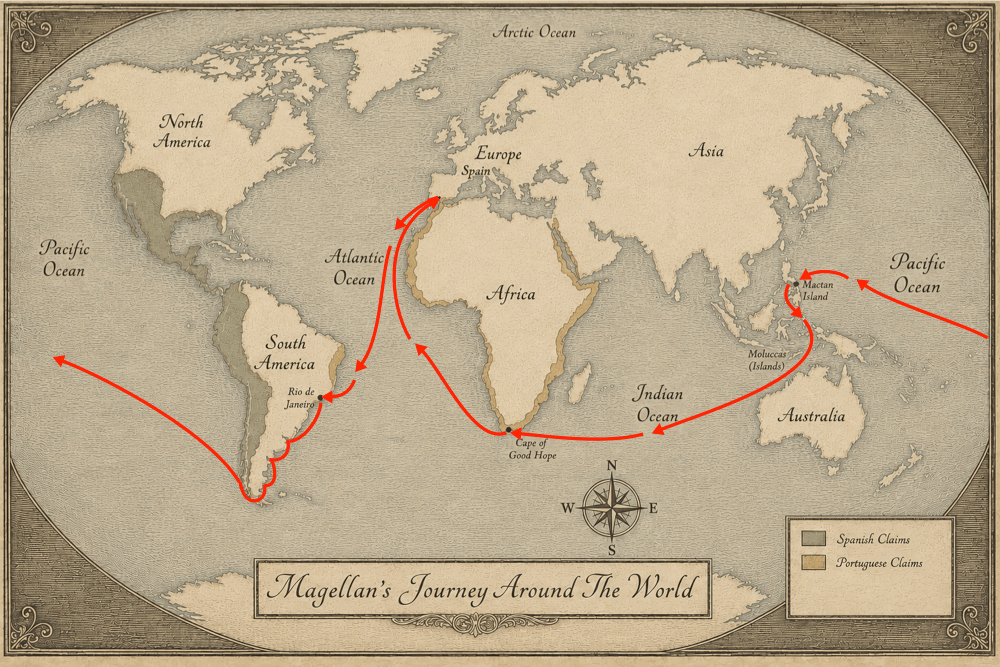
Magellan discovered the strait at the southern tip of South America that now bears his name and sailed into the vast Pacific Ocean. He never made it home, however—he was killed at Macton Island in the Philippines during a skirmish with local warriors.
His expedition continued without him and ultimately completed the first circumnavigation of the globe, though at tremendous cost. Of the five ships and 270 men who set out, only one ship—the Victoria—and 18 survivors returned to Spain in 1522 under Juan Sebastián Elcano.
Conclusion
The Portuguese Age of Discovery is often remembered as a triumph of courage and innovation—and it was. A small nation produced explorers who pushed beyond the limits of the known world and connected distant continents.
When we visited the southwest part of Portugal and stood on the windswept cliffs looking out over the vast Atlantic, I found it easy to understand the pull of the horizon—the curiosity and sense of adventure that drove these explorers forward.
One last aside: my original draft of this blog ran to seven pages—far too long for most people to slog through. What got cut were a number of side stories and bits of trivia about these figures, many of which are fascinating in their own right. If you have the time, I highly recommend digging a little deeper into their stories. There’s plenty more there.